English
 Deutsch
 Español
 Français
 Italiano
 日本語
日本語 Русский
 中文
中文
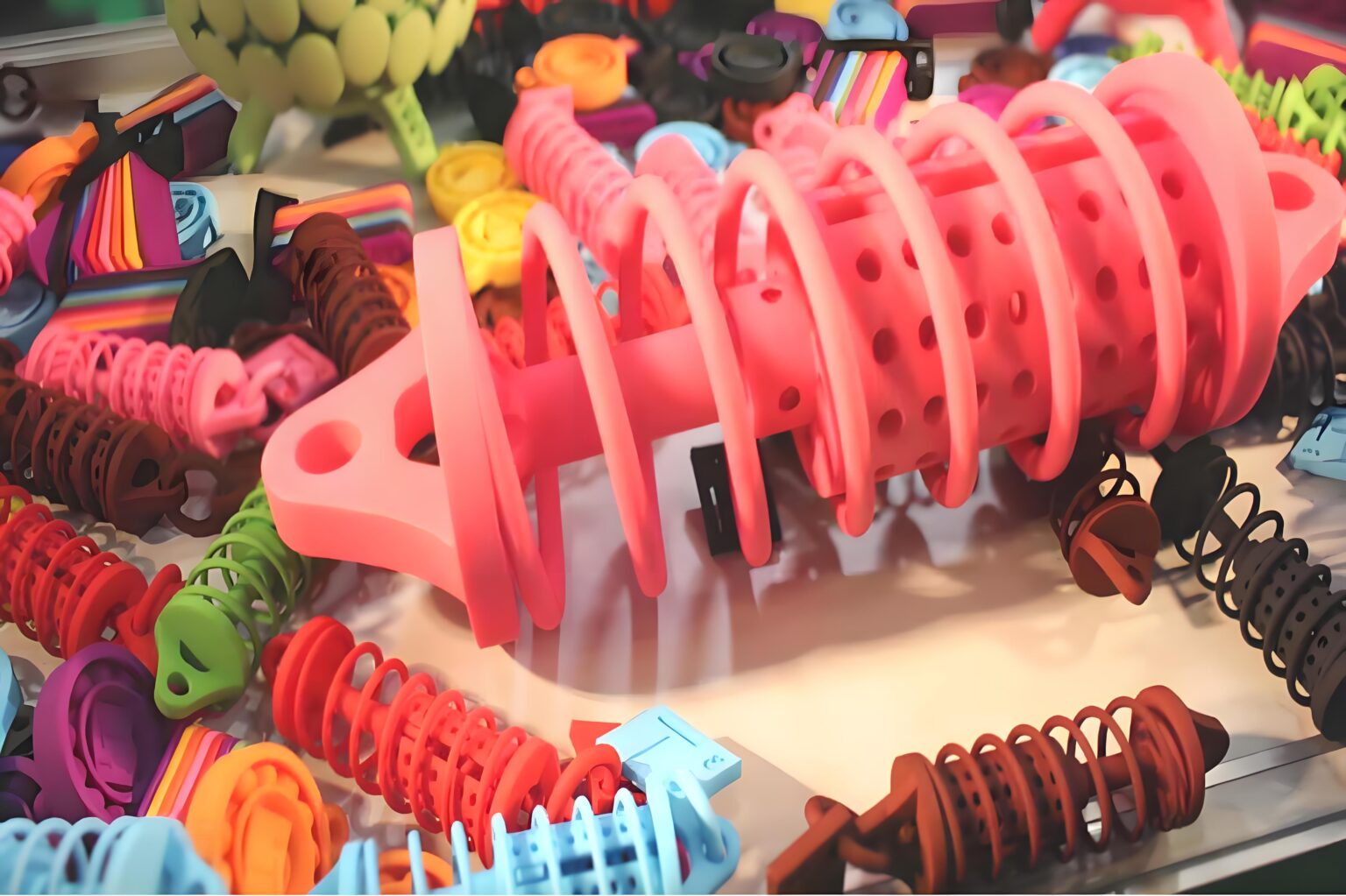
Selective Laser Sintering (SLS) Material Selection Guide for Low Volume Production
- Published September 20 2025 - Updated August 24 2026
Let’s explore the material selection in SLS 3D Printing.
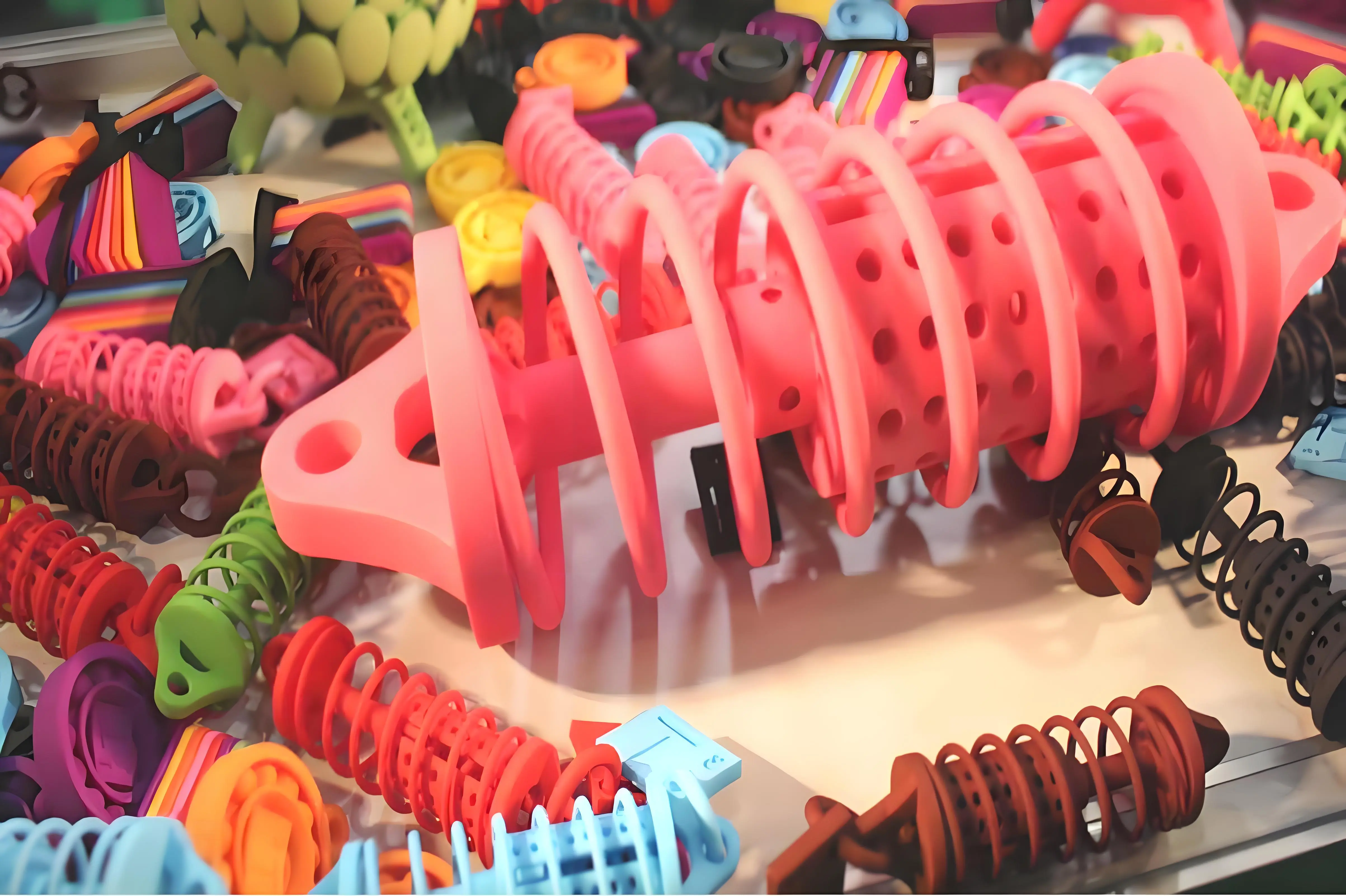
In recent years, Selective Laser Sintering SLS manufacturing has become a reliable additive manufacturing technology. This technology is particularly well-suited to small-batch production. SLS 3D printing enables the production of high-quality, high-strength and fully functional parts without the need for support structures. This technology is commonly used in many industries, including the automotive, medical device etc.
In the SLS manufacturing process, choosing the suitable material is an essential phase. The choice of printing material affects the part’s strength, toughness, surface finish and cost. This guide lists the main materials commonly used in SLS manufacturing and offers useful tips to help you select the right material.
1. WHY CHOOSE SLS 3D PRINTING FOR LOW VOLUME PRODUCTION?
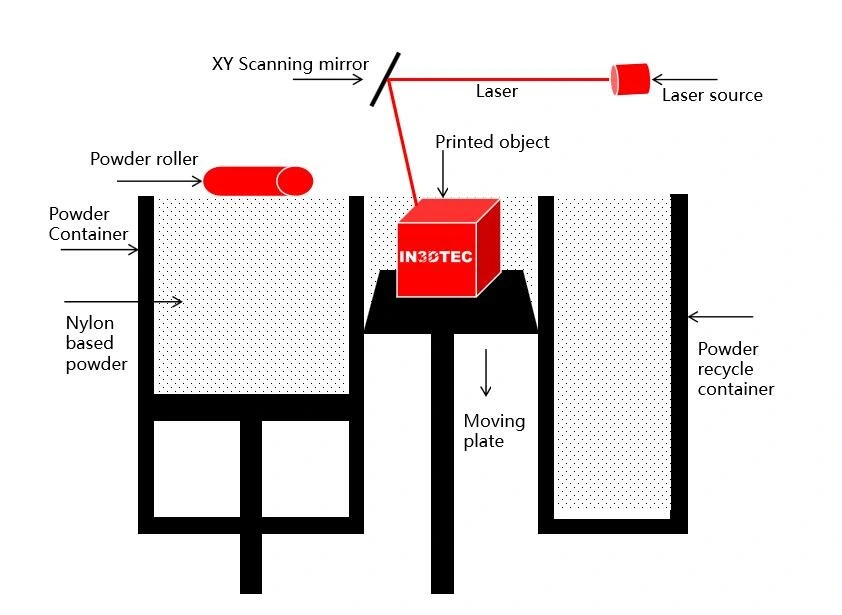
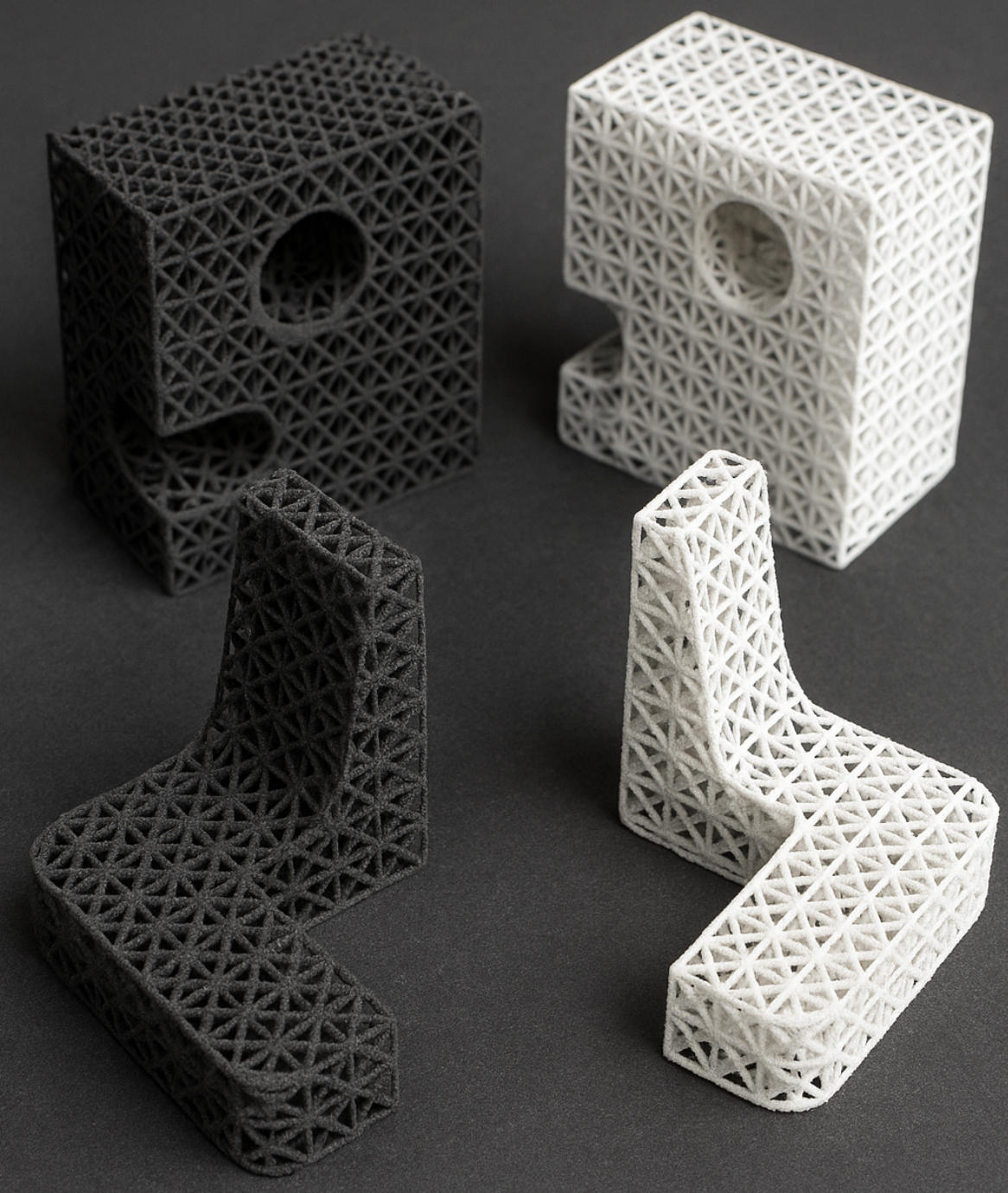
SLS printing technology has lots of benefits and fills the void between prototyping and mass production. Unlike FDM or SLA technologies, SLS printing utilizes unsintered powder as a support material. This makes it ideal for producing parts with complex geometries. The mechanical strength of SLS materials is comparable to that of injection-molded plastics. The process allows multiple parts to be nested and printed in a single job. It is particularly well-suited to prototyping, pilot production runs or transitional manufacturing.
2. COMMON SLS MATERIALS AND THEIR APPLICATIONS
Nylon 12 (PA12)
Nylon 12 (PA12) offers an excellent balance between strength, flexibility and chemical resistance. It is the industry standard for SLS 3D printing technology and meets most general-purpose requirements. It can be used to manufacture functional prototypes, automotive components, snap-fit fasteners and enclosures.
Nylon 11 (PA11)
Compared to Nylon 12 (PA12), Nylon 11 (PA11) offers better ductility and impact resistance, because it is derived from renewable castor oil. It is the perfect option when printed parts need to be flexible or biocompatible. It can be used to manufacture wearable devices, orthopaedic devices and impact-resistant casings.
Glass-Filled Nylon (PA12-GF)
Glass-filled nylon (PA12-GF) is characterized by high rigidity, wear resistance and dimensional stability. It is great for applications requiring mechanical strength and minimal warpage. It can be used to manufacture jigs, fixtures, structural components and under-the-hood components.
Carbon Fiber-Reinforced Nylon (PA12-CF)
Carbon fibre-reinforced nylon (PA12-CF) offers a high stiffness-to-weight ratio, excellent dimensional stability and heat resistance. It is great for high-performance components that require both high stiffness and heat resistance without adding weight. It can be used to manufacture drone components, lightweight brackets, structural supports and robot frames.
Alumide (PA12 + Aluminum Powder)
Alumide (PA12 + aluminium powder) has a metallic appearance and enhanced rigidity. This material is the perfect choice when both surface appearance and mechanical stability are important. It can be used to manufacture automotive prototypes, visual models and heat-resistant enclosures.
Polypropylene (PP)
Polypropylene (PP) offers excellent chemical resistance, fatigue resistance and low density. It is great for the manufacture of components that are sensitive to chemicals or that require flexibility and repeated bending. It can be used to manufacture containers, hinges, fluid piping and automotive storage tanks.
TPU (Thermoplastic Polyurethane)
TPU (Thermoplastic Polyurethane) offers excellent flexibility, is highly durable and resistant to wear. It is great for manufacturing components that require a soft feel or shock absorption. It can be used to produce gaskets, seals, footwear and flexible joints.
3. MATERIAL SELECTION TABLE
| Application Need | Recommended Material |
| General-purpose parts | PA12 |
| Flexible or ductile parts | PA11, TPU, PP |
| Lightweight but stiff parts | PA12-CF |
| High mechanical strength | PA12-GF, PA12-CF |
| Metallic finish / heat resistance | Alumide |
| Snap fits & durable enclosures | PA12, PA11 |
| Fluid resistance or hinge features | PP |
| Biocompatible or eco-friendly parts | PA11 |
4. DESIGN AND POST-PROCESSING CONSIDERATIONS
It is important to note during the manufacturing process that when selecting PA12, PA11, GF or CF materials for printing, the wall thickness of the component should be ≥ 1 mm. When selecting TPU or PP materials for printing, the wall thickness of the component should be ≥ 2 mm. Parts manufactured by the SLS 3D printing process can be steam-smoothed, dyed, spray-painted or subjected to secondary CNC machining. Parts manufactured by this technology typically have a tolerance of ±0.3 mm or 0.3 per cent of the part’s length. The best dimensional accuracy is achieved when printing with PA12-CF or PA12-GF.
5. WHY CHOOSE IN3DTEC FOR YOUR SLS MANUFACTURING PROJECTS?
At IN3DTEC, we offer professional SLS 3D printing services covering all the materials mentioned above. Whether you are producing functional prototypes, small-batch end-use parts or transition molds prior to injection molding, we can help you accelerate your development process through fast turnaroun, consistent quality and expert support.
Get Started Today:
- Visit our Online 3D Printing Quote Store for an instant quote,
- or contact us at sales@in3dtec.com for a technical consultation.