English
 Deutsch
 Español
 Français
 Italiano
 日本語
日本語 Русский
 中文
中文
Electroplating Metal 3D Prints: A Guide to Enhancing Surface Finishes
- Published November 06 2025 - Updated September 19 2026
Enhancing the Surface Finish of Metal 3D Prints through Electroplating
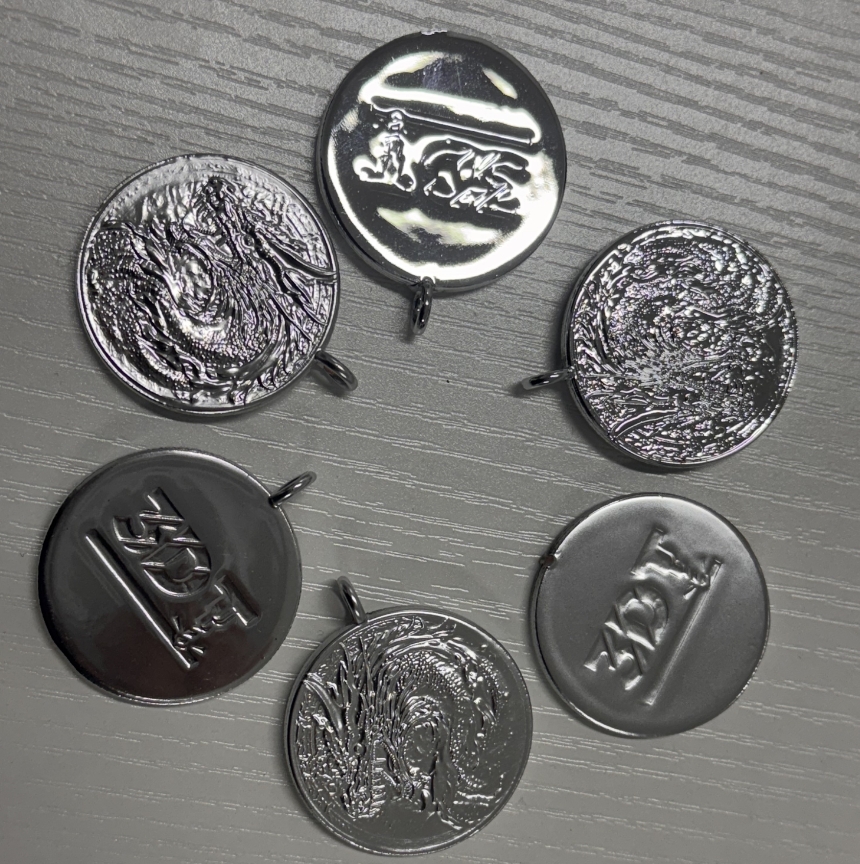
While metal 3D prints are inherently robust, often refinement is enough to reach the next level of performance. In order to increase the surface finish of a metal 3D print, improve durability and enhance functionality, a metallic layer can be electrochemically deposited on the surface of the metal 3D print by means of the process of electroplating. Can metal prints be electroplated? And how does it work?
WHY ELECTROPLATE METAL 3D PRINTS?
In addition to the inherent strength, durability, and aesthetic value of the metal 3D print, the surface can be further enhanced by the addition of a surface finish and functionality to the print. This can be achieved by the addition of a metallic layer through an electrochemical process, i.e. the electroplating of the metal 3D print.
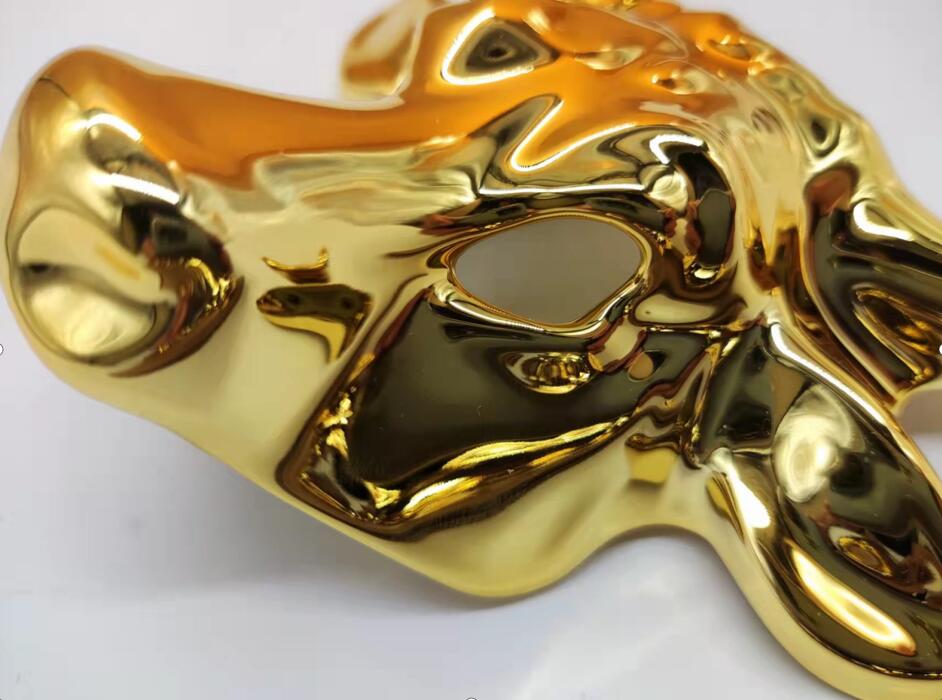
1. Improved Aesthetics: Improve the aesthetic of the surface of metal 3D prints. They can be plated with a uniform metal surface finish (e.g. bright nickel) or even with a different metallic color (e.g. 24k gold, chrome, etc.).
2. Corrosion Resistance: A protective coating to prevent corrosion and wear in environments where the metal 3D print could be exposed to oxidation or other environmental damage.
3. Increased Durability: Enhanced wear resistance for functional parts.
4. Electrical Conductivity: This surface finish is ideal for print parts that require electrical conductivity for the connection of electronic components.
Electroplating is a suitable process for various industrial applications, like Aerospace, Automotive, Jewelry, etc. Because of the high quality of the surface finish and the specific physical and chemical properties of the electroplated layer, which have to meet special demands.
CAN YOU ELECTROPLATE METAL 3D PRINTS?
Yes, it is possible to electroplate metal 3D prints. First, the fact that the metal substrates of the printed parts are conductive, thus no conductive coating step is required to complete the printing and plating process. Other factors such as the metal of the printed part and the metal to be plated could affect the subsequent plating process and its success.
Metals that are typically used for 3D printing, such as stainless steel, titanium and aluminum can be easily electroplated.
ELECTROPLATING METAL 3D PRINTS: STEP-BY-STEP GUIDE
Step 1: Surface Preparation
• Clean the Print: Clean the Print of any oils, dust, or residue from surface using Isopropyl Alcohol or an Ultrasonic Cleaner. Then dry the print in the oven for 4-5 hours.
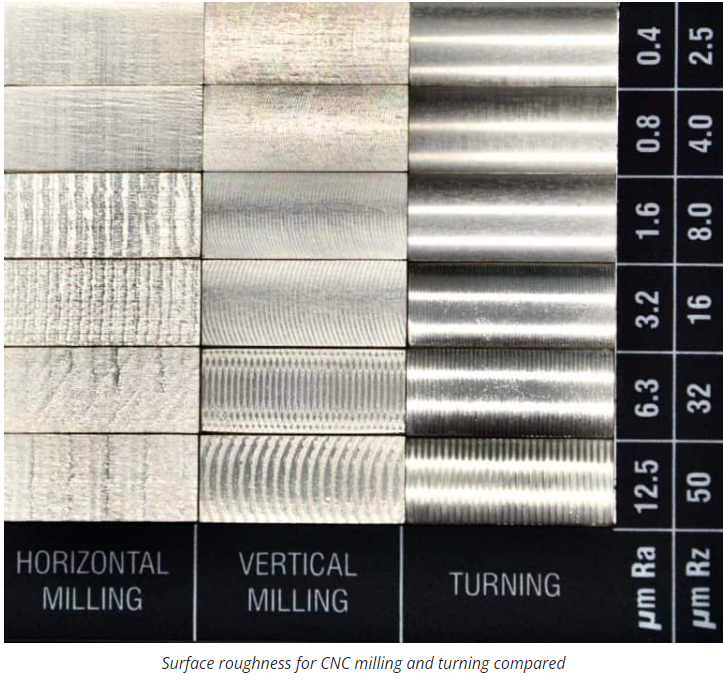
• Smooth the Surface: The part must be sanded or polished to remove any surface imperfections. A smooth surface is required to produce an even finish when the item is electroplated.
Note: Some parts may require tumbling if they are difficult to polish by hand.
Step 2: Apply a Base Layer (If Necessary)
Most metals are to be plated after a base layer has been applied to them. Aluminum parts for example require a zincate or copper solution to be electroplated as these metals do not bond with the majority of solutions used for plating.
Step 3: Prepare the Electroplating Setup
• Electroplating Bath: Select a plating solution for the metal you wish to plate (Nickel, Copper, Gold, etc.).
• Power Supply: This is a DC power supply that is used to control the current of the solution in order to properly complete the plating process.
• Anode and Cathode Setup: Set up the 3D printed part (the metal print) as the cathode (negatively charged) and the plating metal (e.g. nickel, copper, gold) as the anode (positively charged) of the power supply.
Step 4: Electroplate the Metal Print
• Immerse the Print: Submerge the print into the electroplating bath.
• Set the Current: Set the current to the recommended level for your specific solution.
• Monitor the Process: The plating process can take minutes to hours depending on the desired thickness.
Step 5: Post-Plating Finishing
• Rinse: Rinse the part in distilled water to remove residue from the plating solution.
• Polish: Buff the plated surface to achieve the desired shine or texture.
• Seal the Surface: Some metals need to be coated with a protective coating to stop them from tarnishing or oxidizing.
TIPS FOR ELECTROPLATING SUCCESS
1. Compatible metals: Research and choose a suitable combination of substrate and plating metal to ensure good adherence of the substrate to the plating metal.
2. Avoid Overplating: The problem with the plating becoming too thick is that the surface will start to become uneven or even begin to peel off. This is typically a problem with a very thick layer of plating.
3. Test Small Parts First: Before you start to electroplate a critical part you should first try to electroplate smaller parts that are less important.
4. Use Proper Safety Measures: Work in a well-ventilated area and wear gloves to safely handle solutions for electroplating.
APPLICATIONS OF ELECTROPLATED METAL 3D PRINTS
• Jewelry: Jewelry made from 3D printed gold, silver or platinum can be electroplated to get the typical look and feel of cast jewelry.
• Functional Components: Add wear-resistant coatings to industrial parts.
• Decorative Items: Improve the polish and aesthetic appeal of sculptures or consumer products.
CHALLENGES TO CONSIDER
• Surface Porosity: Depending on the metal 3D printing process (Binder Jetting Additive Manufacturing for example), the surface might be porous. This might need to be sealed prior to plating.
• Cost: Setting up the equipment and the chemical solutions for the plating process can be costly for a project.
• Skill Requirement: Proper preparation and technique are critical for high-quality results.
Get the Best Quality of Metal 3D Prints with the Most Economical Prices. Fill out the information for quote on your parts.
CONCLUSION
Elevate your 3D metal printing parts by means of the powerful method of the electroplating metal 3D prints in order to enhance their appearance and their functionality.
If you need to complete projects which are made of jewelry, functional parts, or decorative items in 3D printing, and you also need to complete them with metal 3D prints and finish them with the best electroplating process, then you are at the right place.
More article: