

 English
 Deutsch
 Español
 Français
 Italiano
 日本語
日本語 Русский
 中文
中文Industrial FDM 3D Printing Fast, Cost-Effective, Reliable
From prototypes to low-volume production, designed to meet industrial and creative needs.
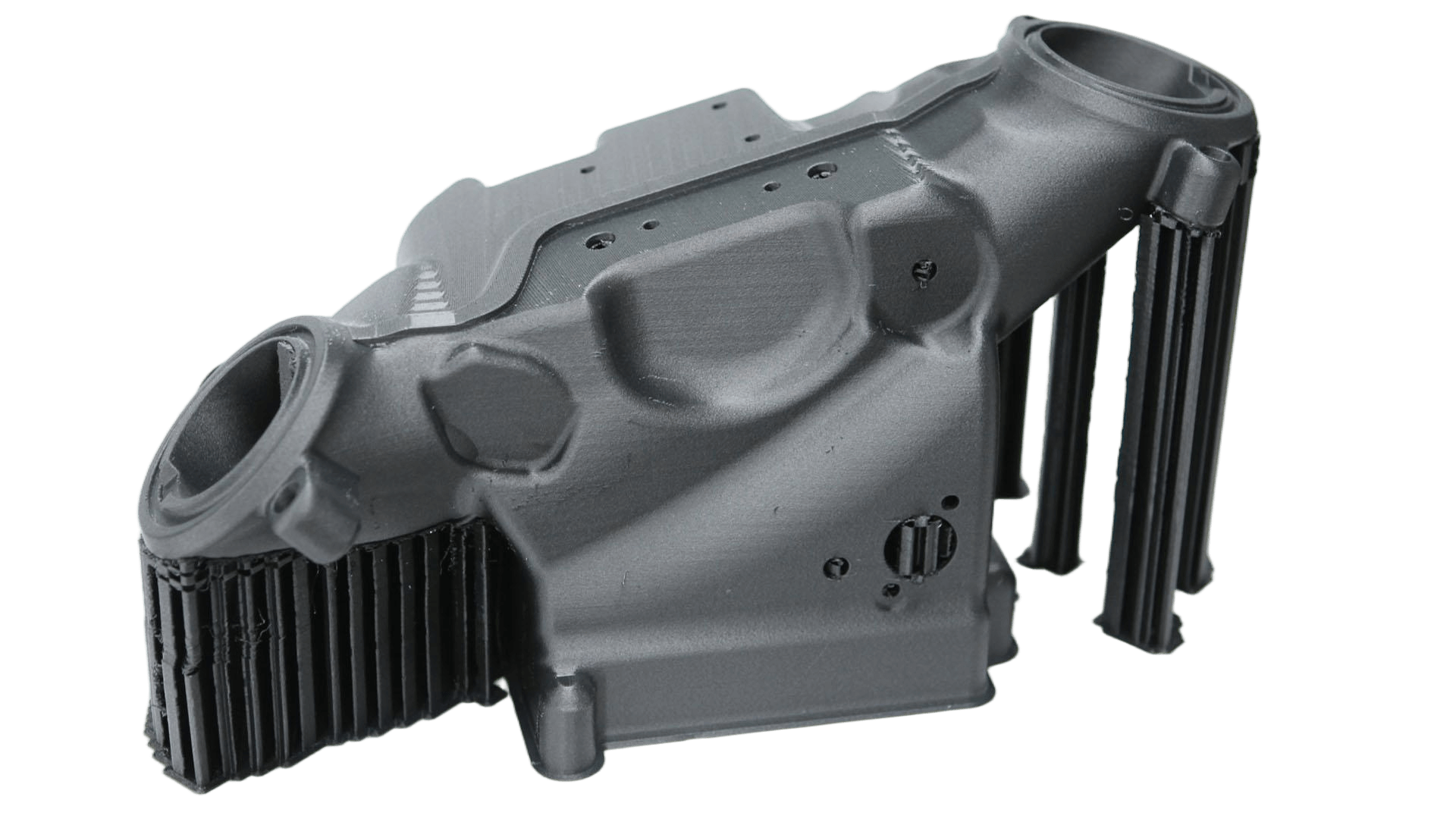







What is FDM 3D Printing?
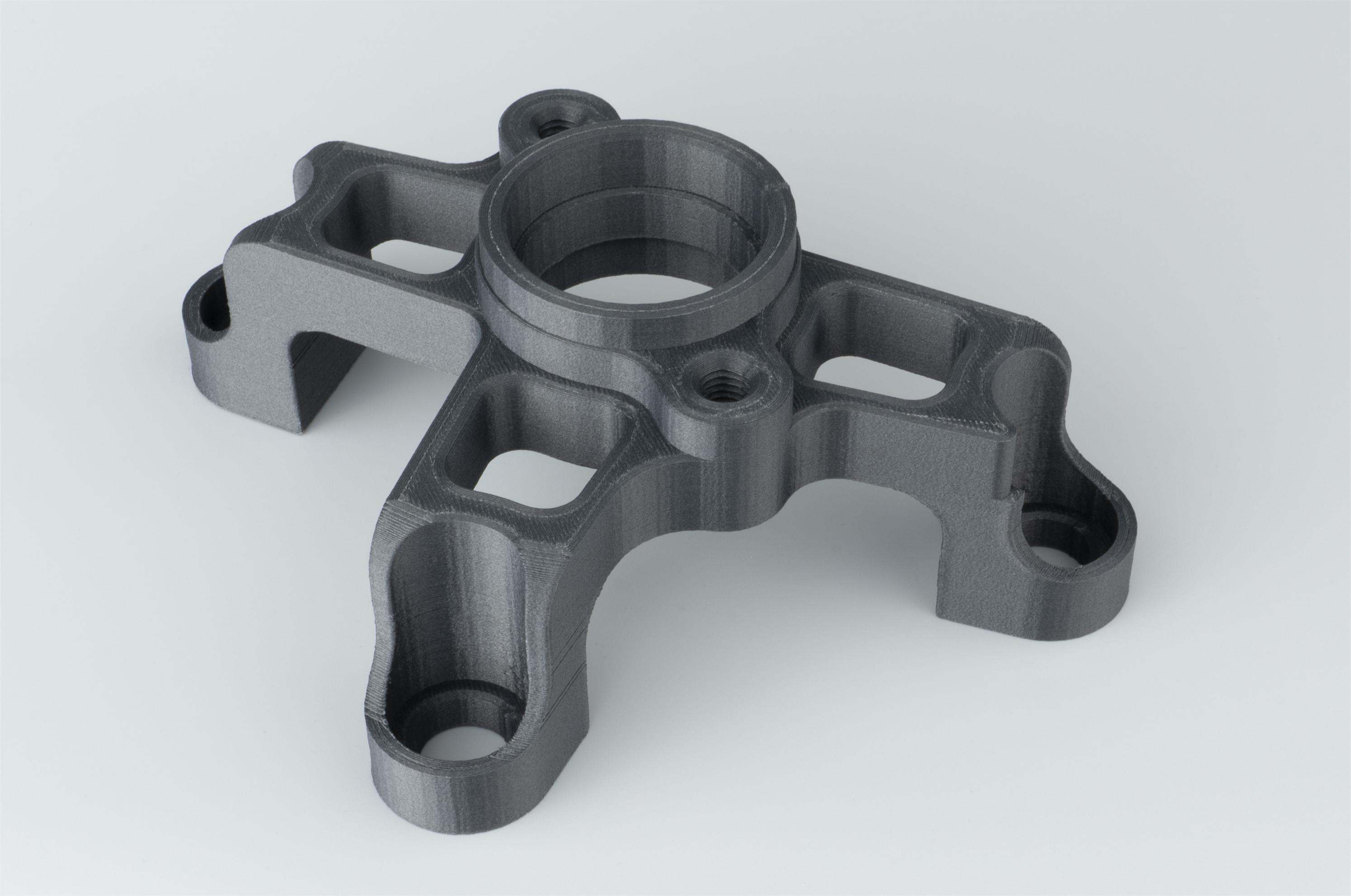
FDM (Fused Deposition Modeling) is an additive manufacturing technology that builds parts layer by layer using melted thermoplastic materials.
- Low cost, ideal for rapid prototyping & Small Volume runs
- Supports a variety of engineering-grade plastics
- Can create medium-complexity structures
- Fast delivery, flexible for small-volume production
Fused Deposition Modeling(FDM) Materials
We offer over 100+ 3D Printing materials and a wide range of surface finishes, and we also support customized materials for special projects
Surface Finishes For FDM 3D Prints
Improve durability and performance with a selection of finishesPolishing
Tumbling
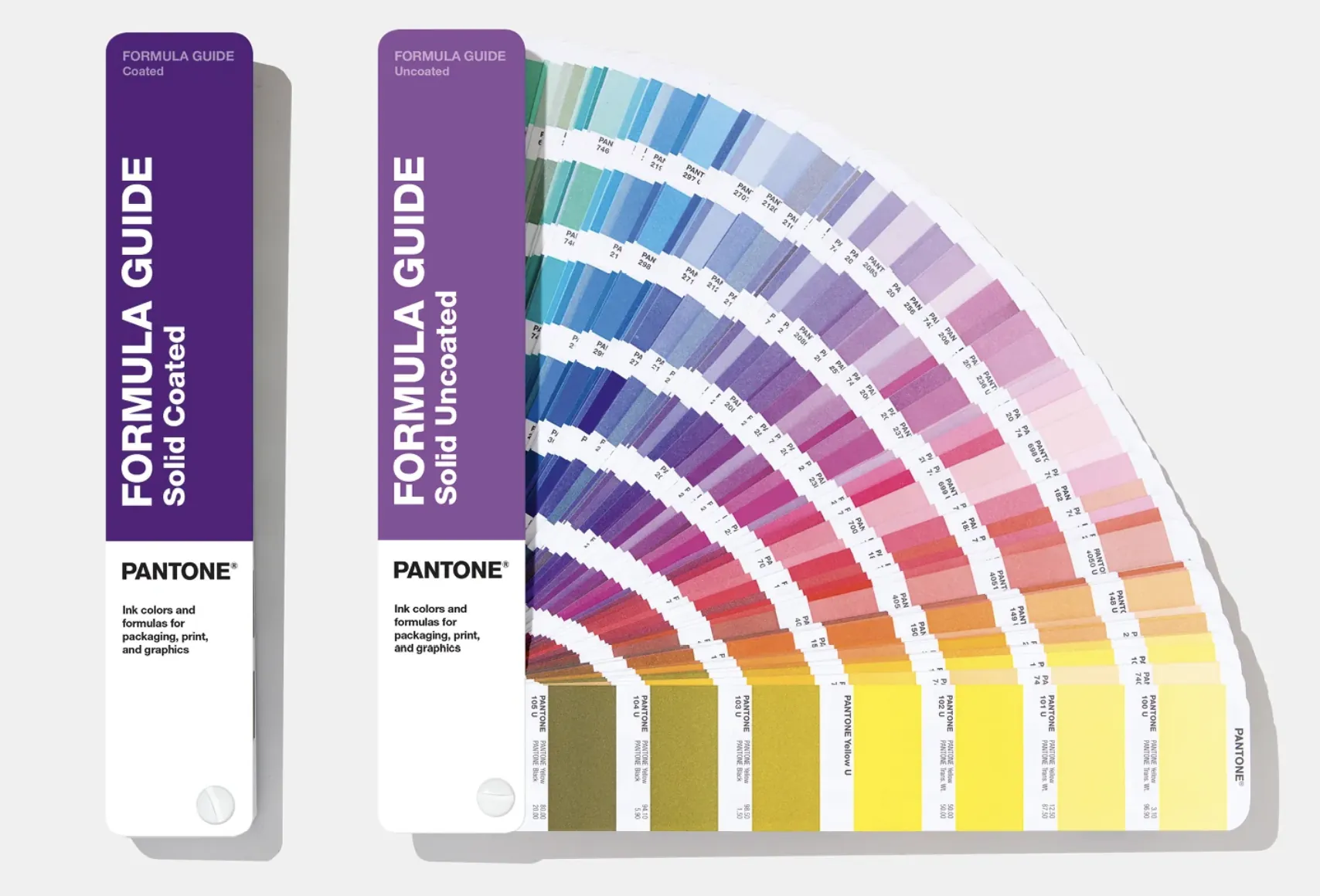
Color Matching/Painting
Heat treatment
Insert
Why IN3DTEC For Fused Deposition Modeling(FDM)
From idea to production, we help you get there faster.
300+ Industrial Printers
– Bigrep, Bambu, INTAMSYS, Stratasys, HP, Farsoon, BLT & more.
All Major Technologies
– FDM, SLA, SLS, MJF, SLM, PolyJet, MBJ, Ceramic, Sand Print & Metal Casting
Broad Material Options
– 100+ Plastics, metals, composites, and custom materials.
Fast Turnaround
– Speed without compromising quality.
Expert Support
– Design optimization & engineering guidance.
Strict Quality Control
– Certified processes, reliable results.
Scalable Production
– From prototypes to mass production.
Global Service
– Worldwide delivery & logistics support.
Competitive Pricing
– Flexible and cost-effective solutions.
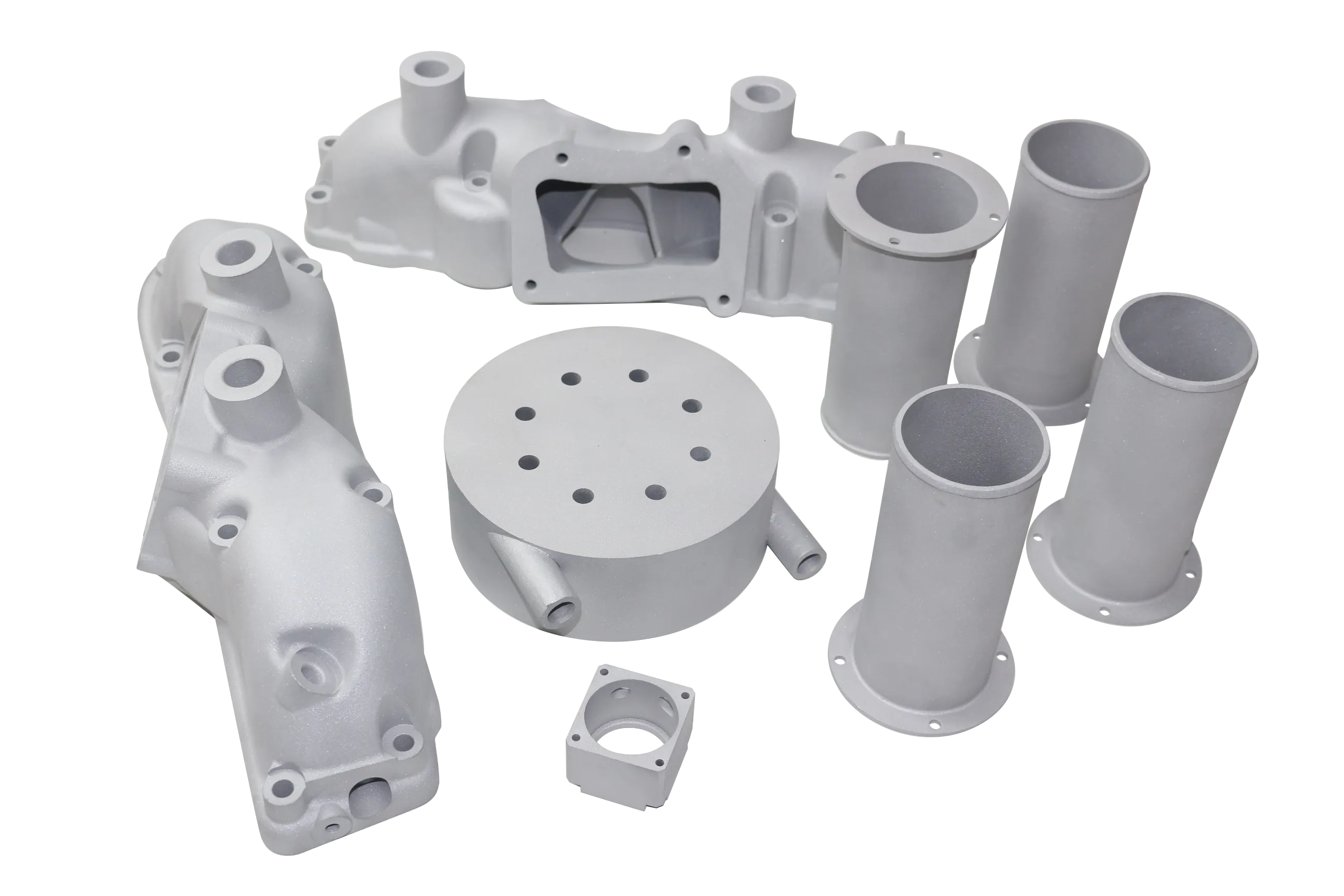
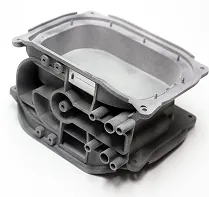
SLM
A complete range of metal materials
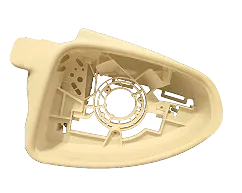
HP MJF
Superior, Consistent part quality
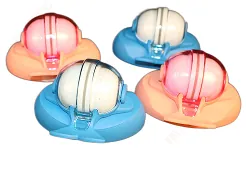
SLS
Superior, and a wide range of functional plastics
SLA
Extremely detailed copies of real-life objects
From Quote To Delivery
Everything You Need In One Easy-to-use Platform
Our AI-powered online quoting tool delivers prices within seconds and makes order tracking and management effortless. With built-in DFM capabilities, it helps identify design errors early, saving you time and ensuring smoother part production.
No Minimum Quantity | AI-Powered DFM Analysis |Online Order Management | Flexible Lead Time & Shipping Options
“IN3DTEC is a wholly trusted partner. They help us develop new products more efficiently and quickly. High-quality products and competitive prices are also why we recommend them to more people.” Luis Ford at Leica Medical Product Design Team
Excellent 4.9 out of 5 

My experience working with the team at IN3DTEC was wonderful. The team was easy to work with and provided me with useful feed back about my design. Also the price was just right.
Evan Kuester
So happy with IN3DTEC. The communication and customer support is incredible even for small orders they help with every aspect of the project. Can't recommend this company highly enough. Thanks for doing a great job guys. Kindly Nicola
Nicola Loder
I regularly use the 3D printing service that IN3DTEC offers and I'm very happy with the end products I receive as well as the quality of service. Parts arrive with very good dimensional accuracy and excellent finish. I also receive great advice about making my prints better. I definitely recommend IN3DTEC!
Dominik Dominiak
Working with in3dtec was great. The communication was really good - they responded always fast and to my satisfaction. Their statement about competitive prices is totally true and the quality is nothing to complain about. Hope in3dtec will continue with their great work. I will definitely order again.
Daniel Kuehnle
First time using and I must say the quality for the part is excellent. The ordering and quoting was very good on the web site. The shipping and turn around time is 1st Class. I would recommend to anyone wanting a top quality part (or parts) and outstand shipping.
Ed Burks
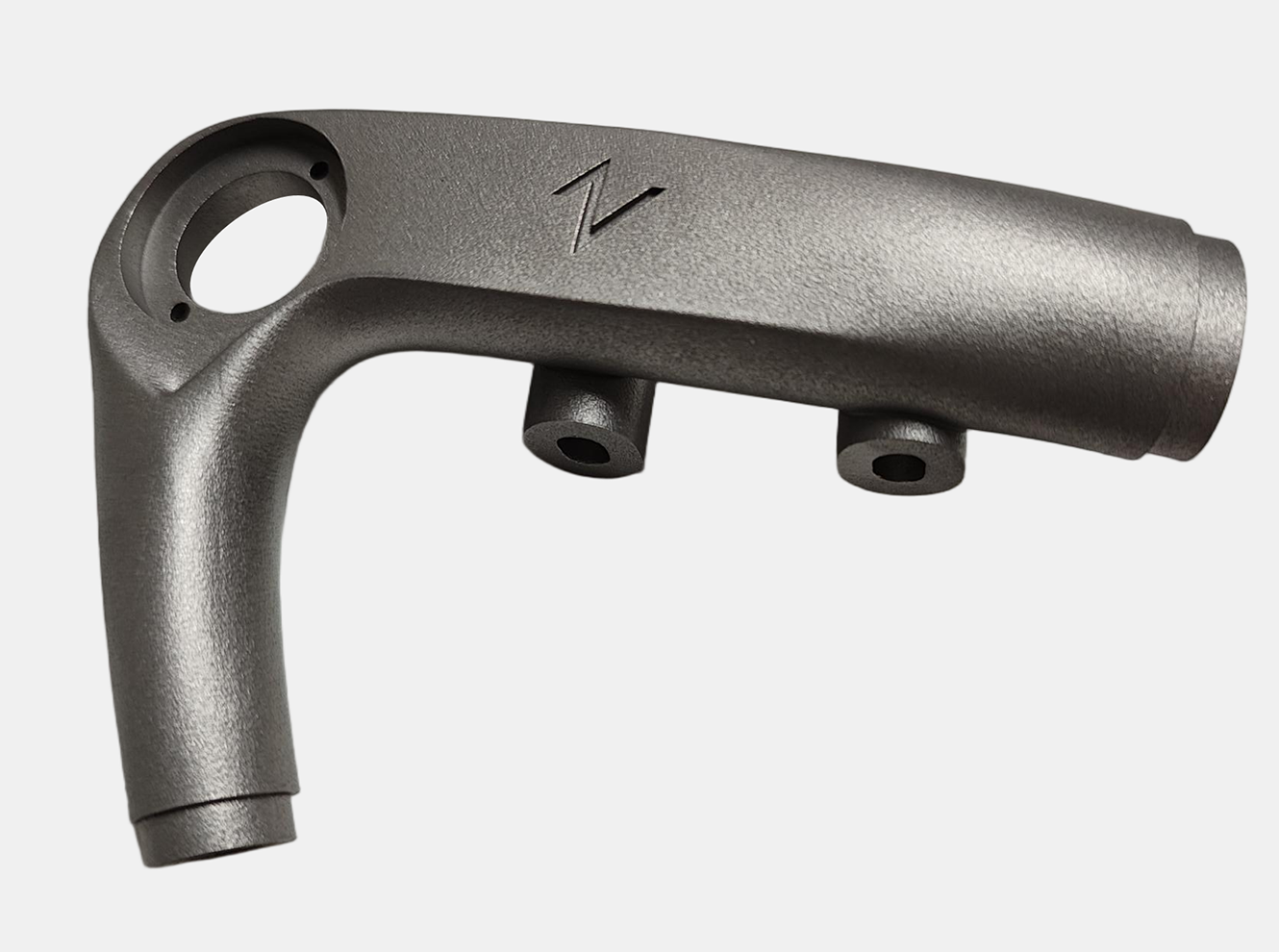
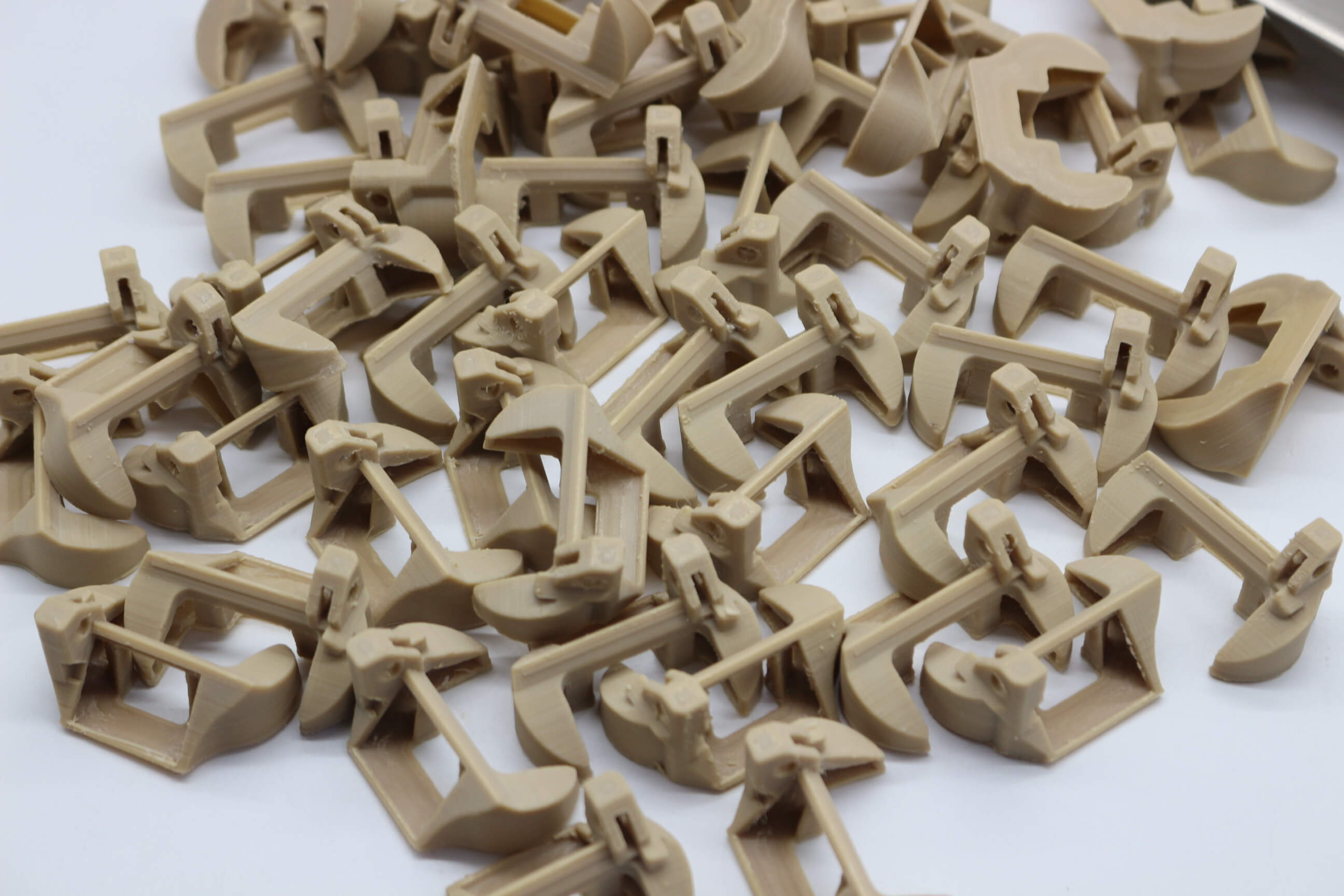
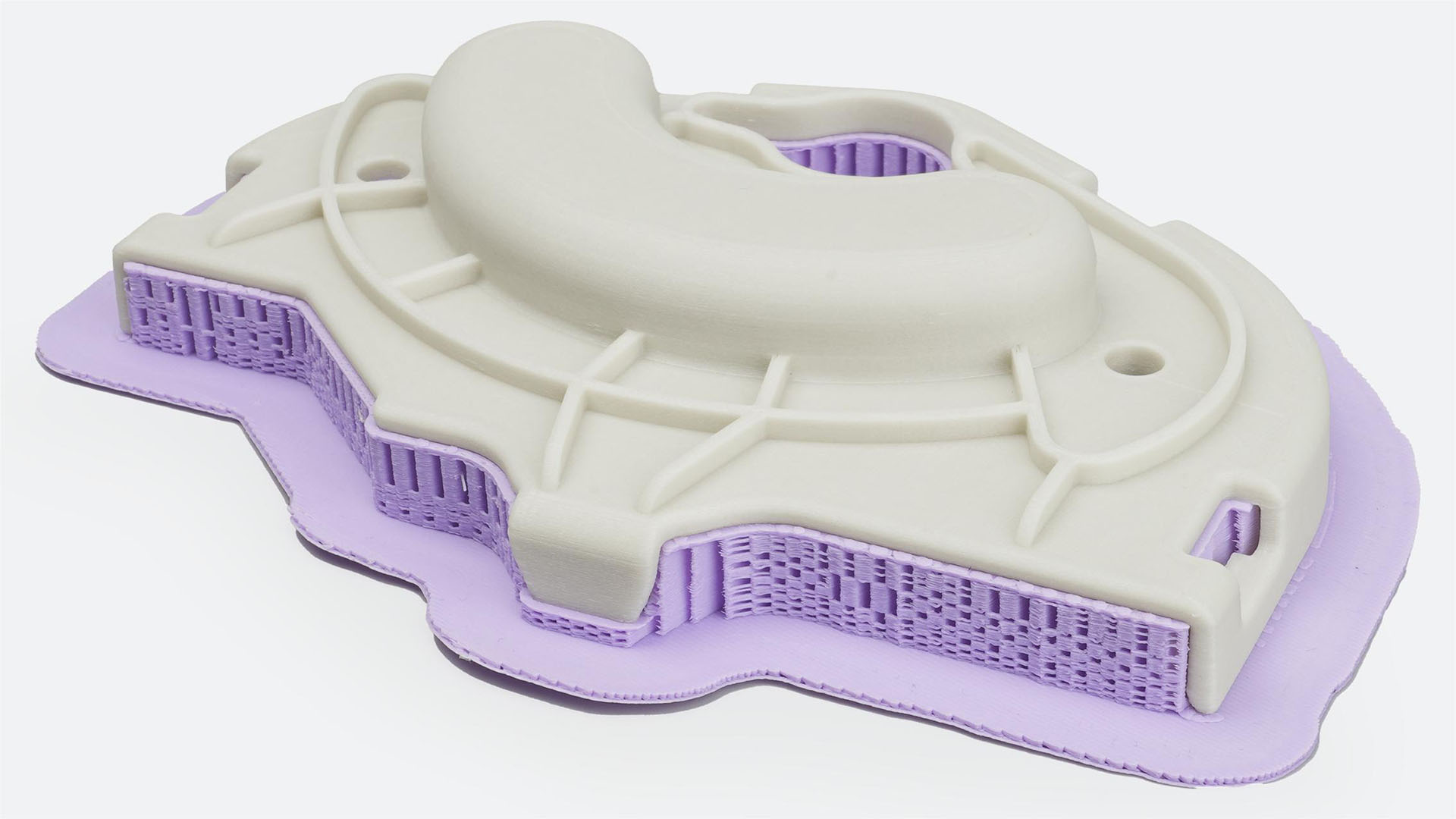
Gallery Of Fused Deposition Modeling(FDM)
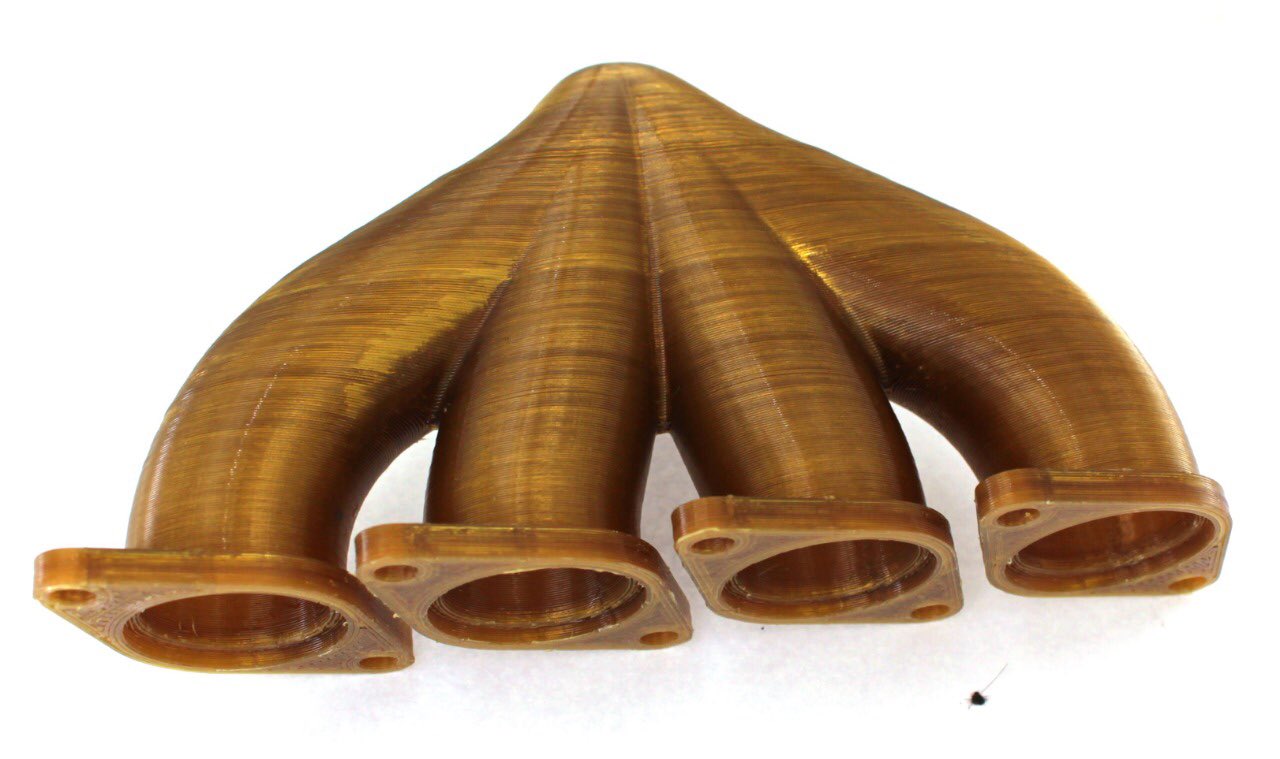
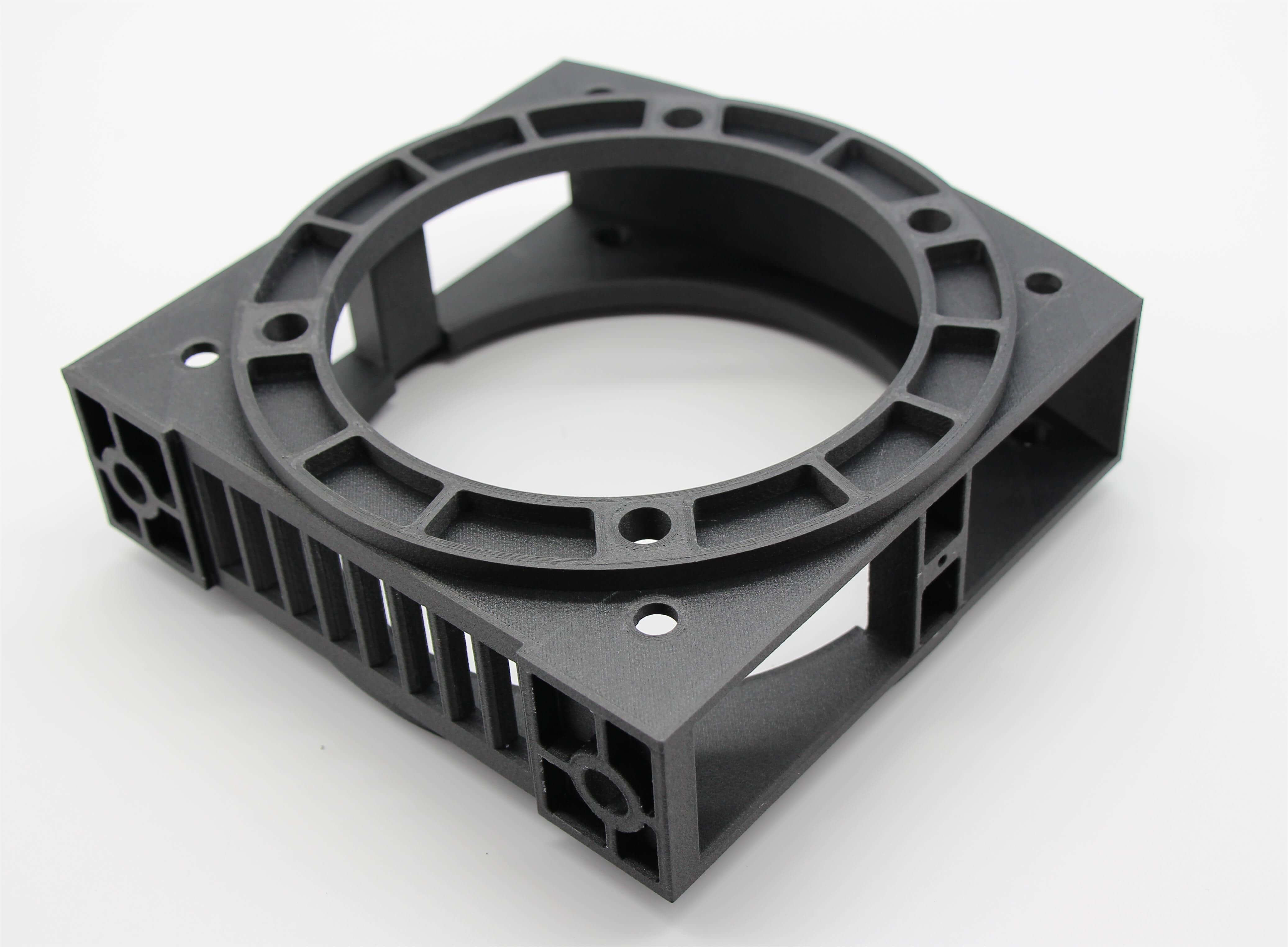
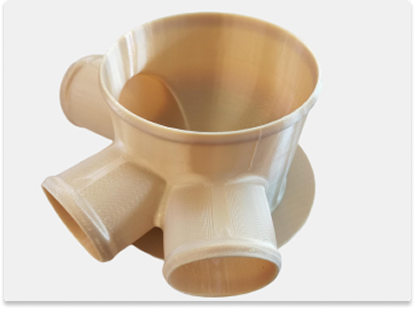
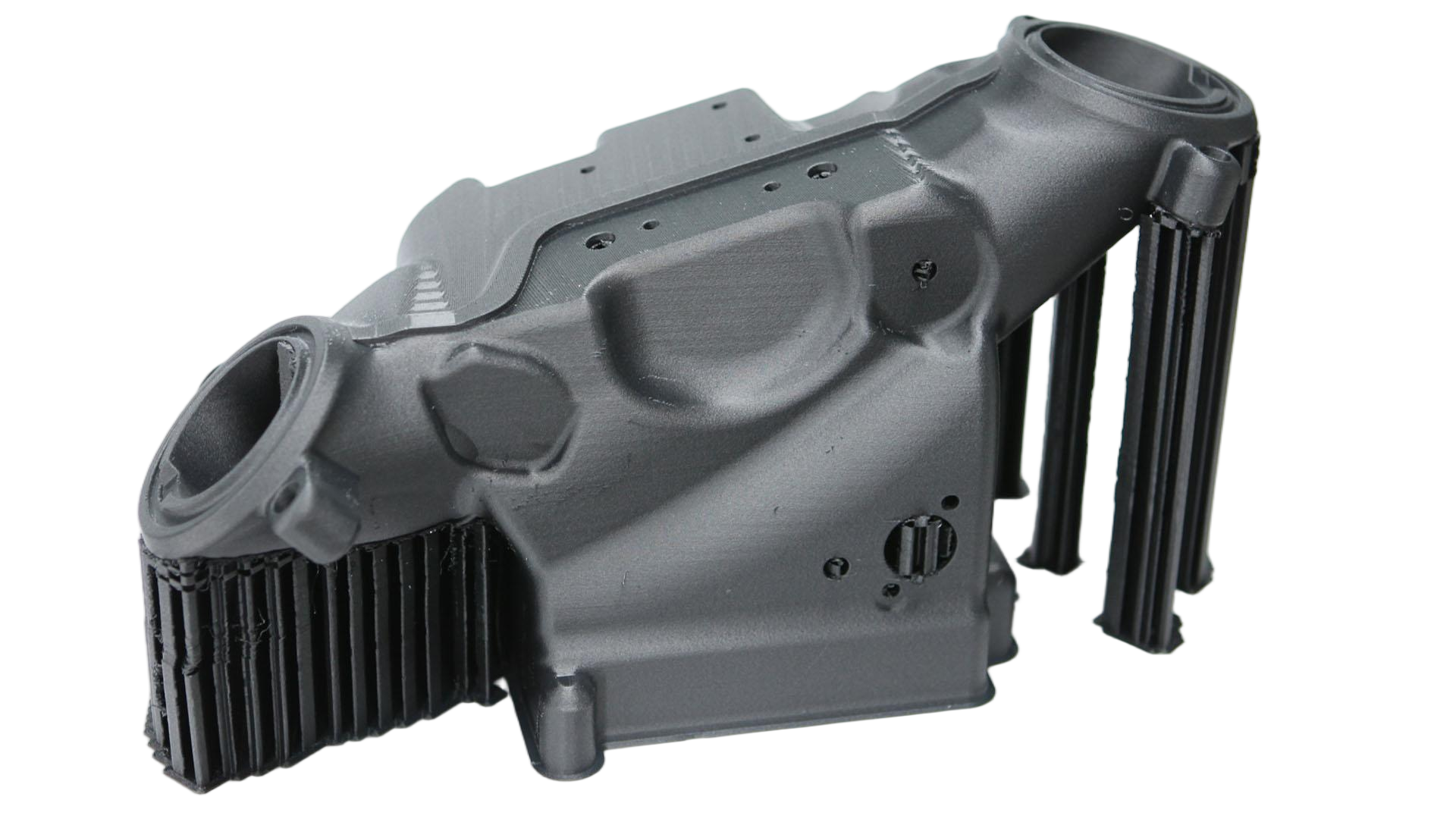
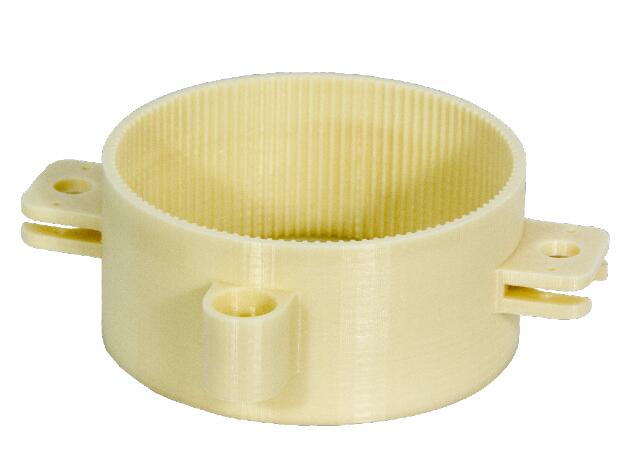
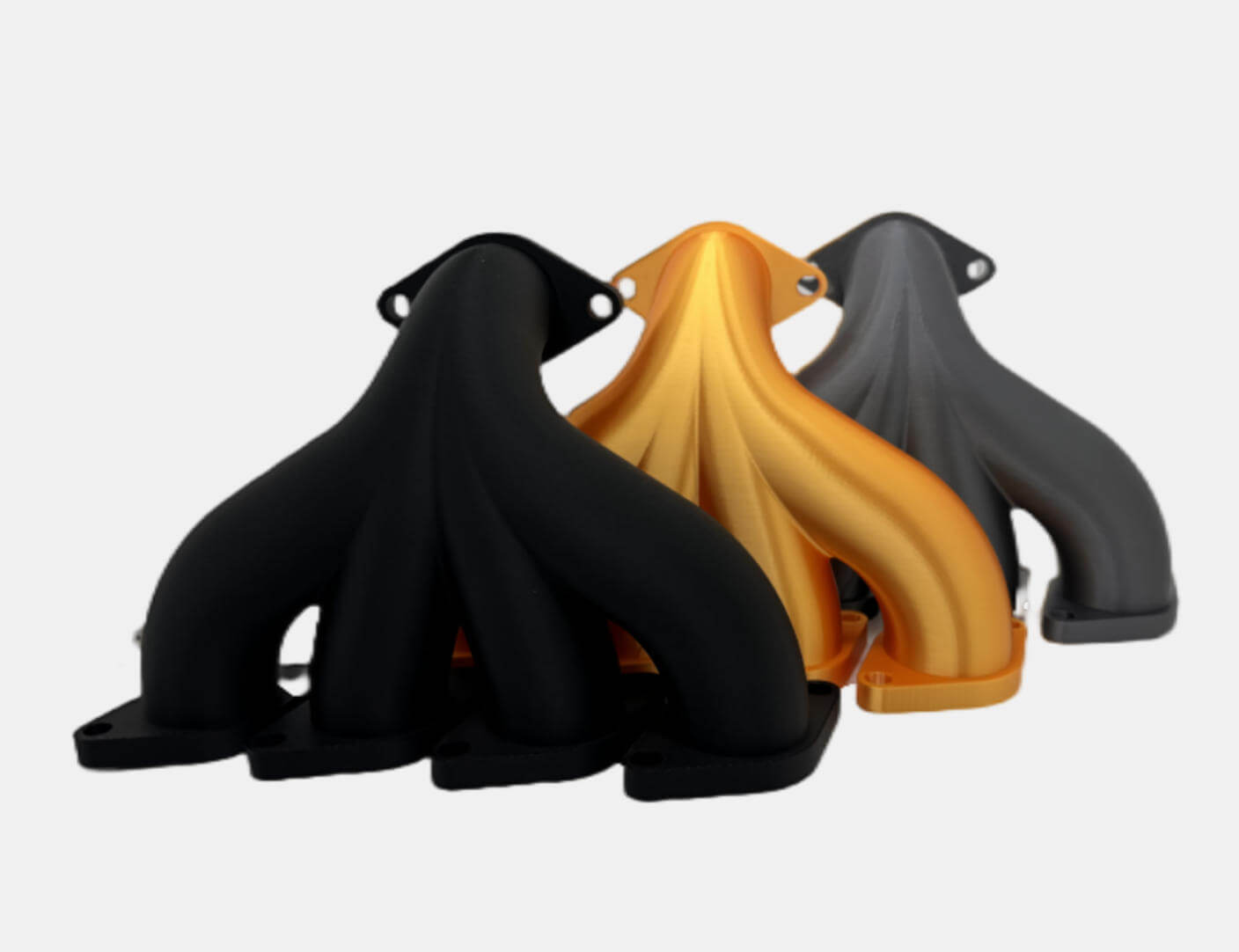
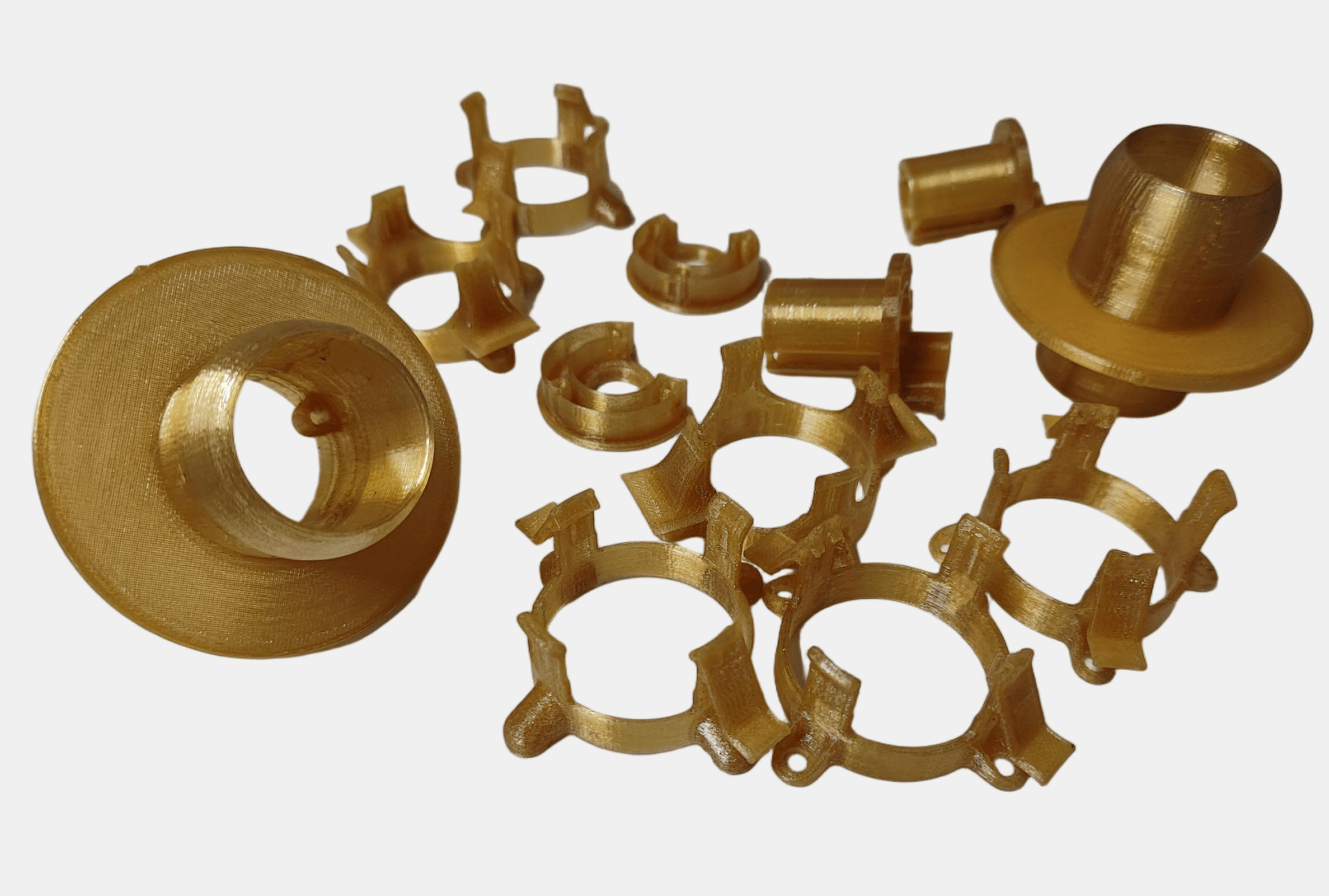
How Does FDM 3D Printing Works
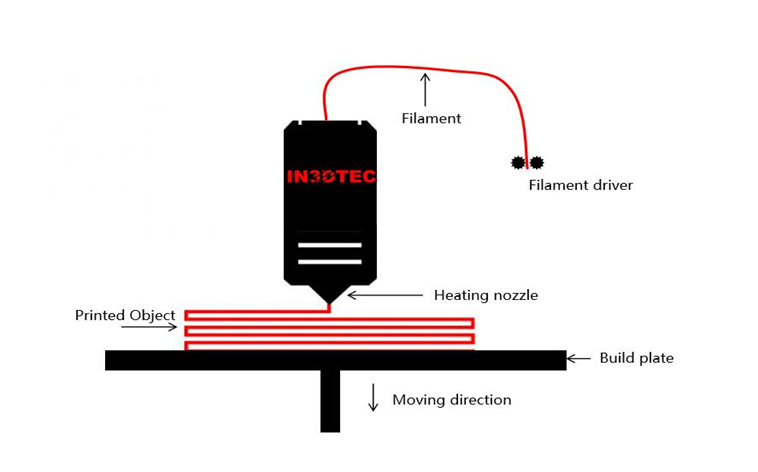
The process uses a digital design that is uploaded to the 3D printer. There are a lot of different polymers used, such as ABS, ASA, PETG, PETG+CF, PC, Flame retardant, PA+CF, PEI, PPSF, and PEEK.
These take the shape of plastic threads that are fed from a coil and through a nozzle. The filaments are melted and fed onto the base, known as a build platform, both of the plate ad nozzle which are controlled by a computer. The computer works by translating the object and its dimensions into co-ordinates that make it possible for the nozzle and base to follow.
How to Work With

Simply upload your CAD files.

Get real-time pricing and DFM insights within seconds. Or ask for manual design help.

Once your order is placed, we’ll begin production right away, and you can track and manage it anytime from your dashboard.

Partnering with FedEx, DHL, and UPS, we deliver your parts fast and on time, worldwide.
Put your Parts into Production Now
Manufacturing Resources
View All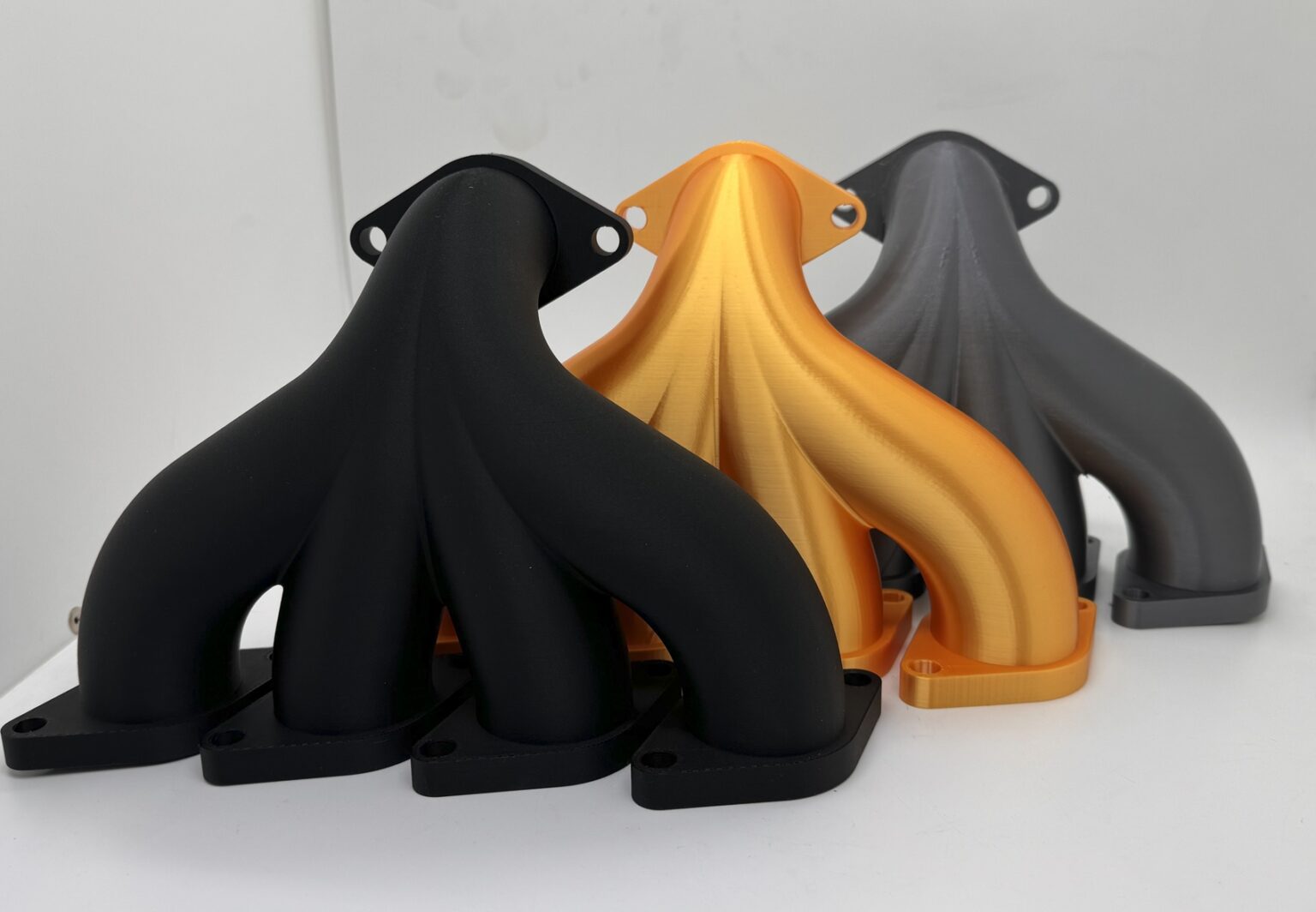
FDM vs. SLA vs. SLS: Which 3D Printing Technology Should You Choose?
Let’s explore the differences of FDM, SLA, and SLS processes.
Read More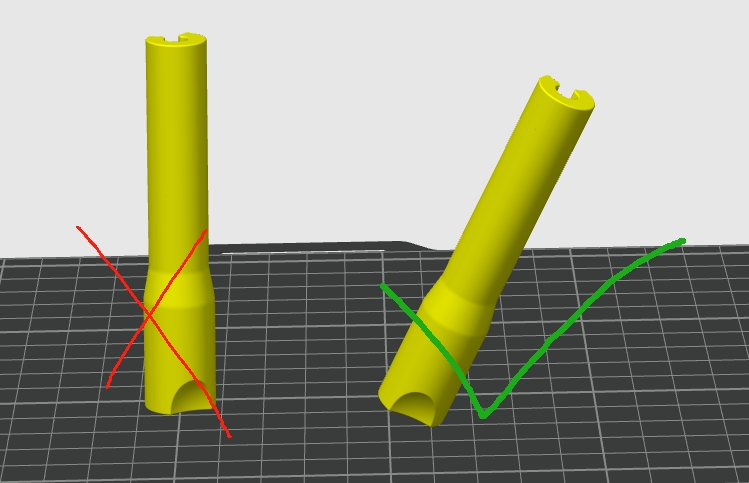
Top 5 Design Tips for Stronger 3D Printed Parts
3D Printing Design Guide: Parts & Prototypes – Geometry, Materials & Print Orientation.
Read More
Sustainable Solutions: Biodegradable 3D Printing Materials and Services
Let’s explore the eco-friendly 3D printing material.
Read More
How to Save 3D Printing Costs Through Smart Design Choices
Let’s explore how to reduce production expenses through material optimization, support minimization etc.
Read MoreQ & A
A: 1000 mm cubic, 39 inch cubic
A: 1.0 mm
A: Nope
A: Accuracy: ±0.3% (min ±0.3 mm)
A: From 0.1mm to 1.2mm, it can be customized
A: Yes, with the technology improvements, both strength and printing speed increased a lot.