English
 Deutsch
 Español
 Français
 Italiano
 日本語
日本語 Русский
 中文
中文
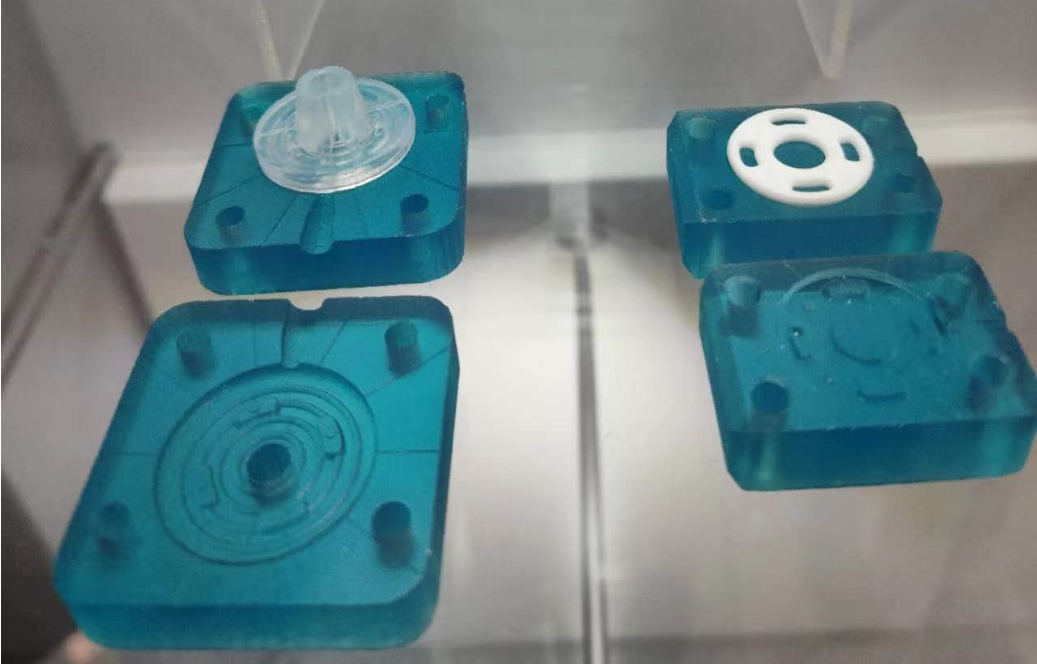
Exploring the Benefits of 3D Printed Injection Molds
- Published November 06 2025 - Updated August 26 2026
3D printing technology is changing the face of manufacturing in a wide range of industries and the way that injection molds are produced is no exception.
3D printing is increasingly influencing the way of production in various industries and for the production of injection molds 3D printing provides a fast and cost-efficient alternative to the classic production methods. In this blog we will explain the advantages of 3D printed injection molds and how they can support your production.
1. ENHANCED DESIGN FLEXIBILITY
3D printed injection molds are extremely flexible in their design. This means that unlike traditionally manufactured molds, 3D printed injection molds are not bound by the typical constraints of manufacturing. In other words, designers are able to create complex geometries and novel designs that would otherwise be impractical or even impossible to manufacture using traditional manufacturing methods. Designs can be created and 3D printed in a matter of hours or days.
2. RAPID PROTOTYPING AND ITERATIONS
Rapid production of prototypes that can be tested quickly to enable design validation and subsequent redesign before final validation. This is a critical attribute in today’s fast changing markets. It is not unusual for products to go from design to full production in a matter of weeks in order to get to market before competition.
3. COST-EFFICIENCY AND RESOURCE OPTIMIZATION
Traditional methods for manufacturing an injection mold can be very expensive and time consuming, which is why additive manufacturing offers a cost effective alternative by not requiring expensive tooling and minimizing material waste. This allows manufacturers to optimize their resources and costs during the manufacturing process.
4. COMPLEX GEOMETRIES AND INTERNAL STRUCTURES
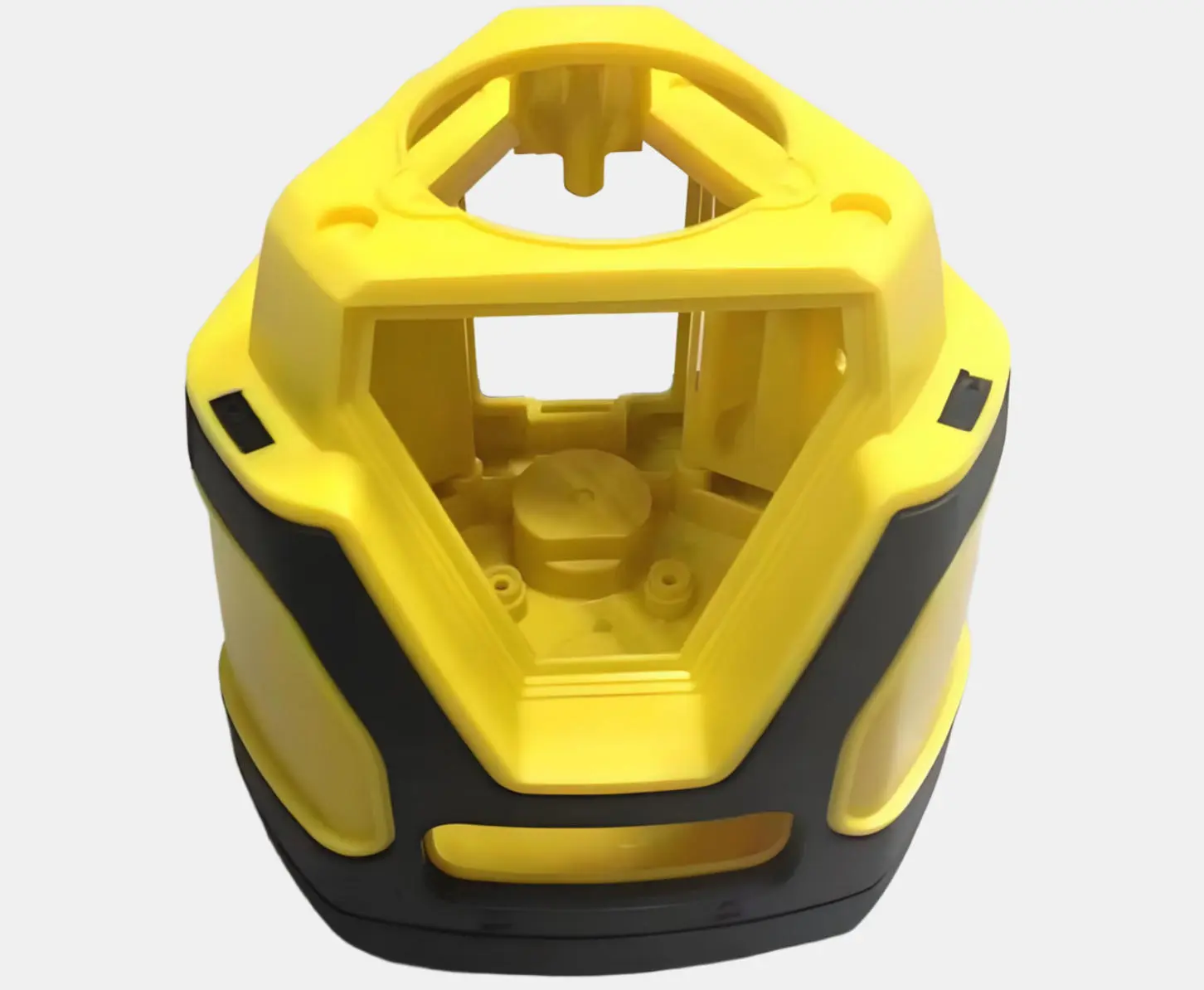
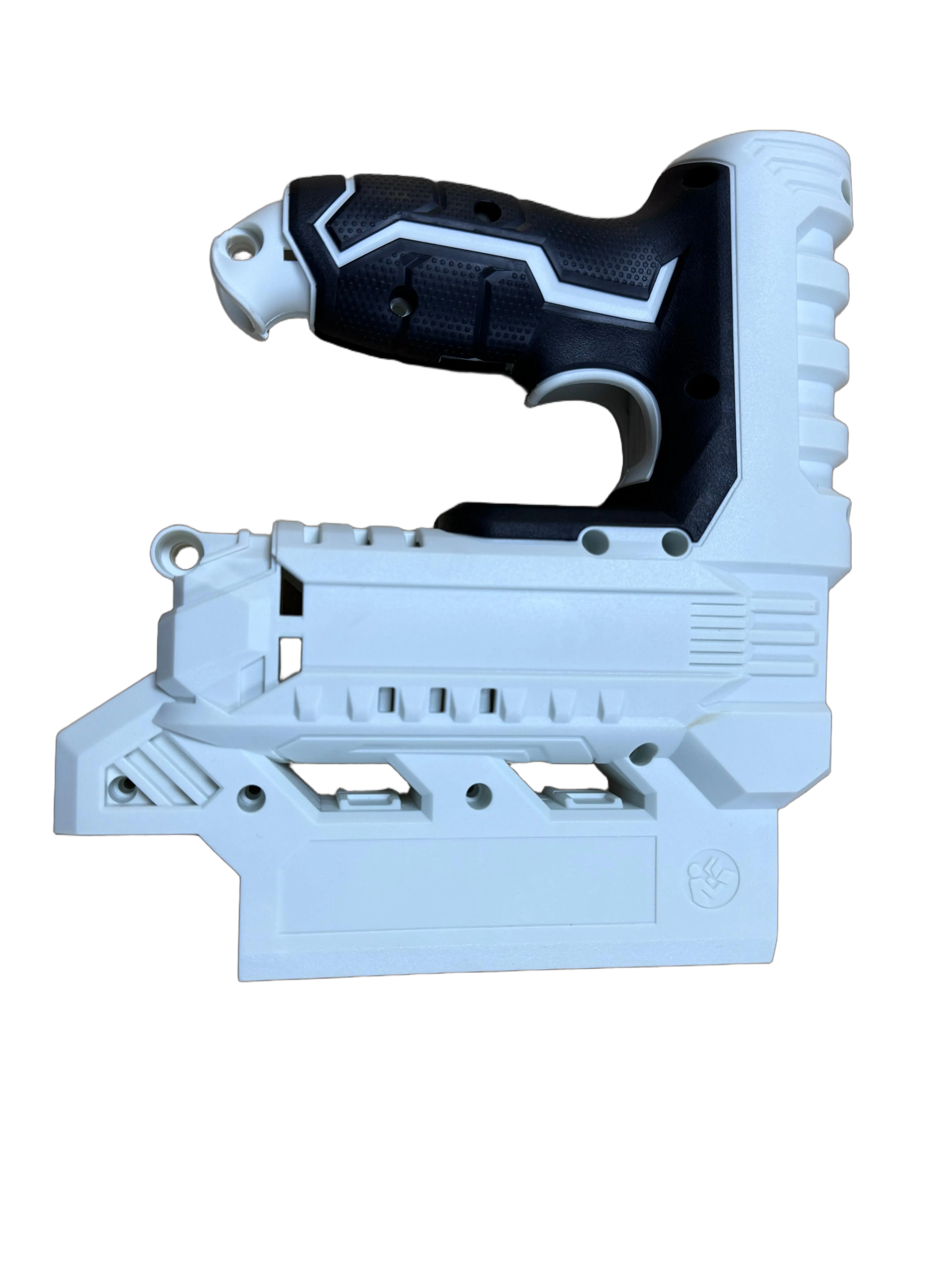
3D printed injection molds can also be produced with complex geometries and internal structures. Designs with fine details, undercuts, channels, etc. are typically not ideal for conventional production methods as they can easily break or are difficult to remove from a mold. Additive manufacturing processes however are producing part layer by layer, making these types of features perfect for 3D printed molds.
5. IMPROVED TIME-TO-MARKET
Speed is of vital importance when new products are being developed. Using 3D printed molds for the injection molding of prototype parts can shorten lead times significantly and also provides more manufacturing flexibility. New products can hit the market quickly.
6. SUSTAINABILITY AND ENVIRONMENTAL CONSIDERATIONS
Sustainable production is increasingly becoming important for manufacturers and 3D printed injection molds can be minimized in terms of material, have a lower energy demand and also offer more opportunities for recycling, which enables sustainable production.
CONCLUSION
3D printed injection molds can bring about many changes to the methods of manufacturing products. Additive printing of injection molds are greatly reducing costs and lead times to get a product to market, as well as allowing for designs and prototypes that previously would not have been possible using traditional methods of tooling. All in all, there are many advantages to the use of 3D printed molds including being cost-effective, sustainable and innovative and will help companies to progress in the market.