English
 Deutsch
 Español
 Français
 Italiano
 日本語
日本語 Русский
 中文
中文
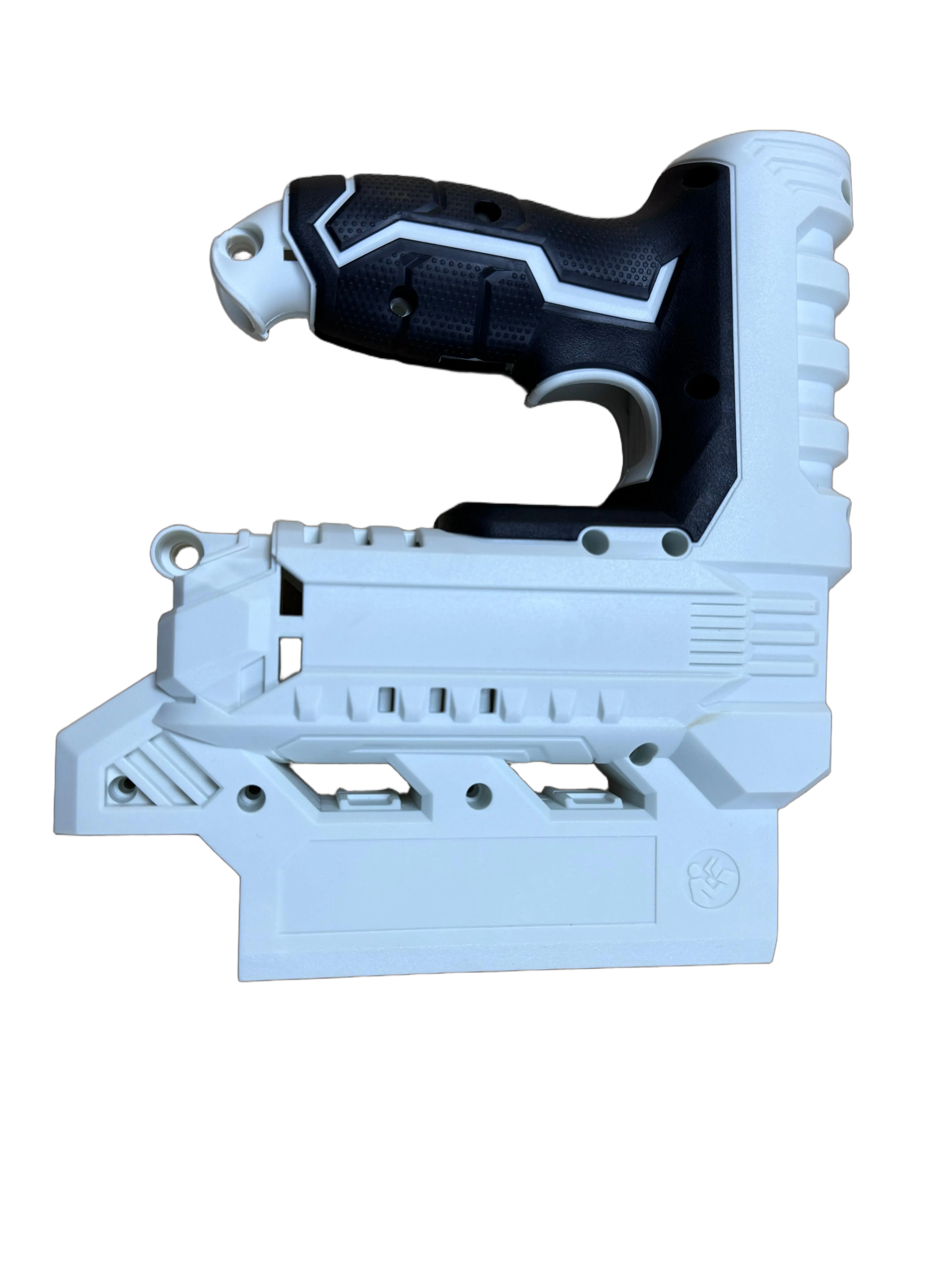
Injection Molding Materials: How to Choose the Right Plastic for Your Parts
- Published September 15 2026 - Updated September 15 2026
IN3DTEC assists companies in manufacturing strong products by offering them efficient injection molding services.
Selection of an ideal plastic for your product is very essential because it affects the durability and effectiveness of the product. IN3DTEC assists companies in manufacturing strong products by offering them efficient injection molding services. Our company first examines their objectives and then analyzes how the material performs before advising on the choice. We have many years of practical experience in providing reliable injection molding services.
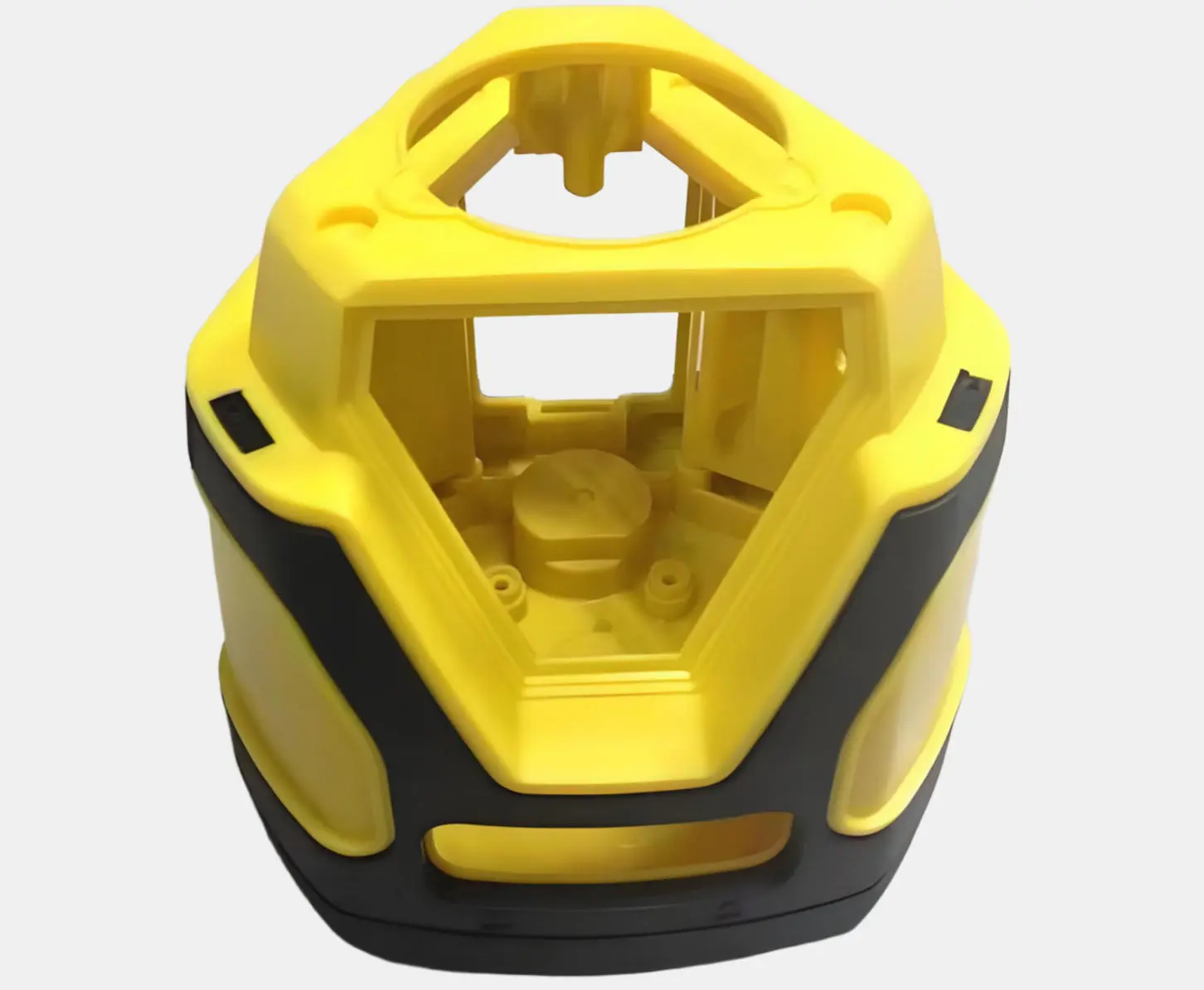
WHY MATERIAL CHOICE MATTERS IN INJECTION MOLDING
The choice of plastic will influence all production stages. Some plastics withstand high temperatures, whereas other plastics can resist impact and chemicals. The right selection of plastics thus becomes vital for increasing product quality.
Important Points to Consider
- Function of the product
- Need for heat resistance
- Necessity of strength
- Chemical exposure requirement
- Production quantity
Financial considerations
Professional injection molding services will help companies to make the right decision regarding material selection.
ABS INJECTION MOLDING
ABS injection molding is suitable for applications that require durability and impact resistance. Manufacturers use this material for consumer products. It is easy to mold and provides a smooth surface. Moreover, it can be painted and treated with other surface finishes. Product designers prefer ABS in cases where strength is required but no extra weight is needed.
POLYPROPYLENE INJECTION MOLDING
Polypropylene injection molding is appropriate for substances such as polypropylene because they are flexible and resistant to chemicals. These substances are flexible such that they bend but do not break. The products that are packed with polypropylene are durable. Moreover, the fact that it does not absorb moisture makes it popular.
NYLON INJECTION MOLDING
The process of nylon injection molding results in high wear resistance and mechanical strength. Several gears, bearings, and industrial parts depend on the quality of nylon because of its reliability. It can cope with friction and withstand moving parts. Moreover, nylon is strong even under high pressure. This product is normally used by engineers for moving parts.
POLYCARBONATE INJECTION MOLDING
Polycarbonate injection molding provides materials that require strength and translucency. Safety gear, housing for electronics, and enclosures are made from this material. It can take impact and remain clear at the same time. Because of this characteristic, polycarbonate is suitable for products that need both protection and aesthetics.
PEEK INJECTION MOLDING
PEEK injection molding is used in high-demand applications where there are severe conditions. This type of plastic provides excellent durability and chemical resistance. The aerospace, medical, and engineering industries use PEEK in their operations frequently. Even though PEEK is used in special projects, its performance justifies its use.
ACETAL DELRIN INJECTION MOLDING
Acetal/Delrin injection molding is characterized by low friction and good dimensional stability. This type of plastic is used to make precision parts since it does not change its shape. It is selected for gears, fasteners, and other mechanical parts. Furthermore, this plastic does not absorb moisture and is resistant to wear.
PLASTIC MATERIAL SELECTION FOR INJECTION MOLDING
Selecting the right plastic is an important task that requires thorough consideration. Goals of production, environment, and the required performance level are some of the factors that help determine the choice of material. Material specialists analyze all these factors to make their recommendations. With proper planning, companies save money and get more favorable results.
INJECTION MOLDING MATERIAL PROPERTIES
All plastics come with their own injection molding material properties. Some materials offer flexibility, some offer strength, and others offer heat resistance. Knowing these properties will enable one to determine how to use the material.
PLASTIC SELECTION FOR PROTOTYPING AND MANUFACTURING
Materials used during prototyping will help in evaluating the design before mass production can commence. However, materials used for production have to offer more than just prototyping advantages.
TIPS TO MAKE GOOD MATERIAL SELECTION
Know the Product Requirements
- Analyze how the product will work before choosing a material.
- Consider the Environment
- Take into account temperature, humidity, chemicals, and mechanical stresses.
- Consult Skilled Professionals
- It is always better to have help from experts.
BOTTOM LINE
Selection of the proper plastic selection is key to the success of any product. Each plastic has unique advantages that are ideal for different uses. Hence the need to have an understanding of performance requirements prior to production to ensure the reliability of parts created. At IN3DTEC, we guide our clients with material analysis and manufacturing planning.