English
 Deutsch
 Español
 Français
 Italiano
 日本語
日本語 Русский
 中文
中文
Process, Materials, Benefits, and Applications of Ceramic 3D Printing
- Published September 28 2026 - Updated September 28 2026
The procedure of 3D printing ceramics is based on the layer-by-layer construction of structures using ceramic materials.
Unlike traditional techniques, modern manufacturers expect strength, accuracy, and design flexibility to meet their customers’ expectations. Producers can access all these factors thanks to the new printing technology that IN3DTEC ceramic 3D printing services provide. We analyze the demands of the project and provide appropriate ceramic materials. We help with every stage of the manufacturing process.
UNDERSTANDING CERAMIC 3D PRINTING
The procedure of 3D printing ceramics is based on the layer-by-layer construction of structures using ceramic materials. Therefore, this technology allows the design of unusual objects with minimal use of material. Ceramic printing technology provides engineers and designers with numerous possibilities.
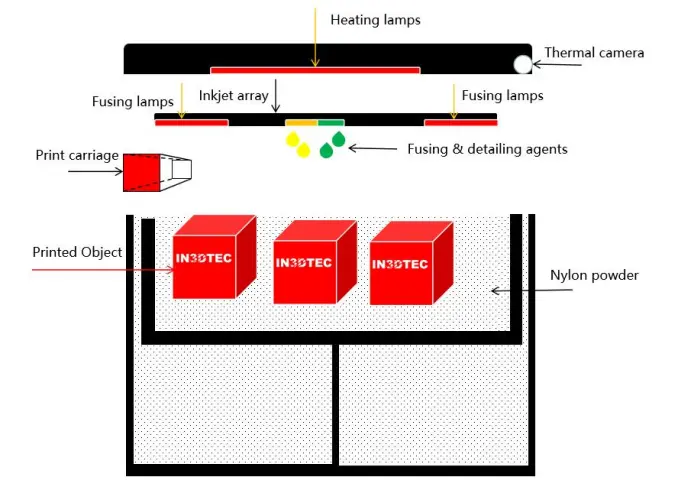
CERAMIC ADDITIVE MANUFACTURING PROCESS
Stage of Digital Design
In the ceramic additive manufacturing process, every project starts with creating a digital model. The engineers design the 3D model that determines the shape, dimensions, and features of the required component.
Stage of Layer Building
The printer creates layers of ceramic material on the basis of the designed model. This stage ensures the part is created precisely.
Stage of Heat Treatment
This stage involves heat treatment of the part created in the previous stage.
The entire process of ceramic additive manufacturing helps in manufacturing precise parts while ensuring consistency in quality.
MATERIALS IN CERAMIC ADDITIVE MANUFACTURING
Various materials have varying uses. They include:
• Alumina for electrical insulation
• Zirconia for strength and toughness
• Silicon carbide for heat resistance
• Silica materials for special purposes
Such materials enable one to undertake custom ceramic 3D printing projects.
ADVANTAGES OF ADVANCED CERAMIC 3D PRINTING
Greater Flexibility in Design
Such channels, curves, and even internal structures are possible to make, which other methods cannot achieve.
Reducing Material Waste
Material is placed only where it is needed. Therefore, this technology saves materials.
Rapid Product Innovation
Testing different designs accelerates product development without lengthy tool production processes.
APPLICATIONS OF 3D-PRINTED CERAMIC PARTS
Medical Industry
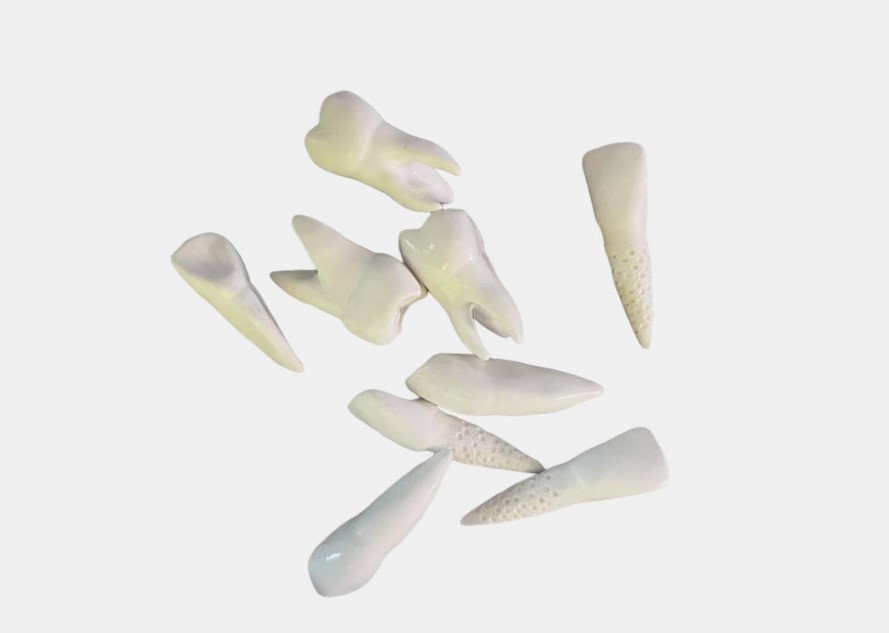
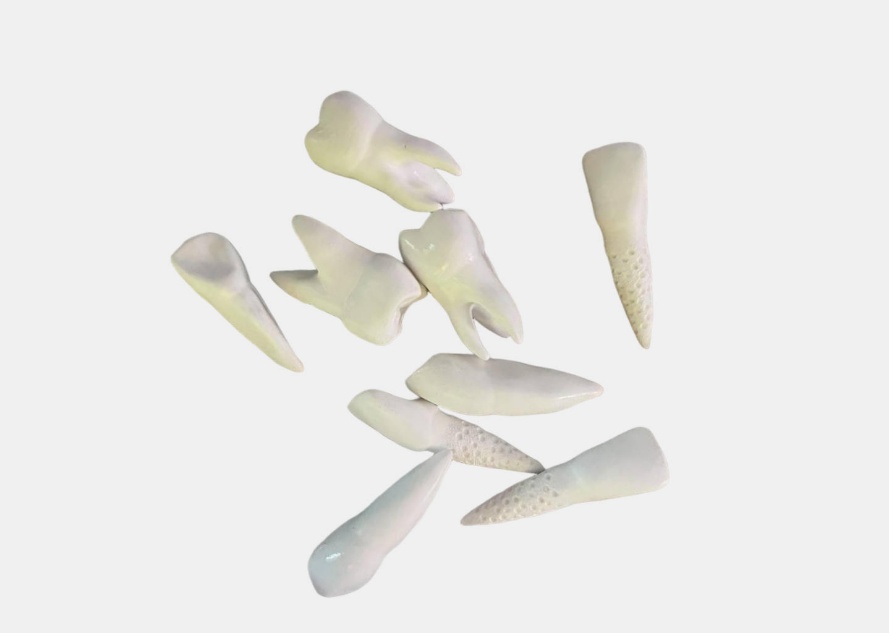
Manufacturers produce various parts, such as those used for dentistry and surgery, among others.
Electronics Industry
In electronics, ceramics help in insulation and heat dissipation.
Aerospace Industry
Engineers use ceramic components in high-temperature and harsh conditions.
Improving Ceramic Printing Outcomes
Proper Selection of Materials
The material will determine the strength and efficiency of your product.
Improving Your Design
Small modifications to your design will help you print your part more efficiently.
Considering Conditions of Usage
Conditions of usage like temperature, pressure, and abrasion will determine your design decisions.
An experienced company such as IN3DTEC will help businesses overcome possible difficulties due to reliable 3D ceramic printing services.
BOTTOM LINE
The ceramics industry continues to grow to meet the demand for strong and complex parts needed by various industries. Ceramic printing enables companies to produce complicated parts, minimize waste, and improve their product development process. In this way, there is no limit to possible applications in fields including medicine, electronics, aviation, and heavy industry. IN3DTEC is able to contribute to these innovations by providing reliable competence, materials, and production.