English
 Deutsch
 Español
 Français
 Italiano
 日本語
日本語 Русский
 中文
中文
A Suitable Comparison of HP Metal Jet and Binder Jetting 3D Printing
- Published September 18 2026 - Updated September 18 2026
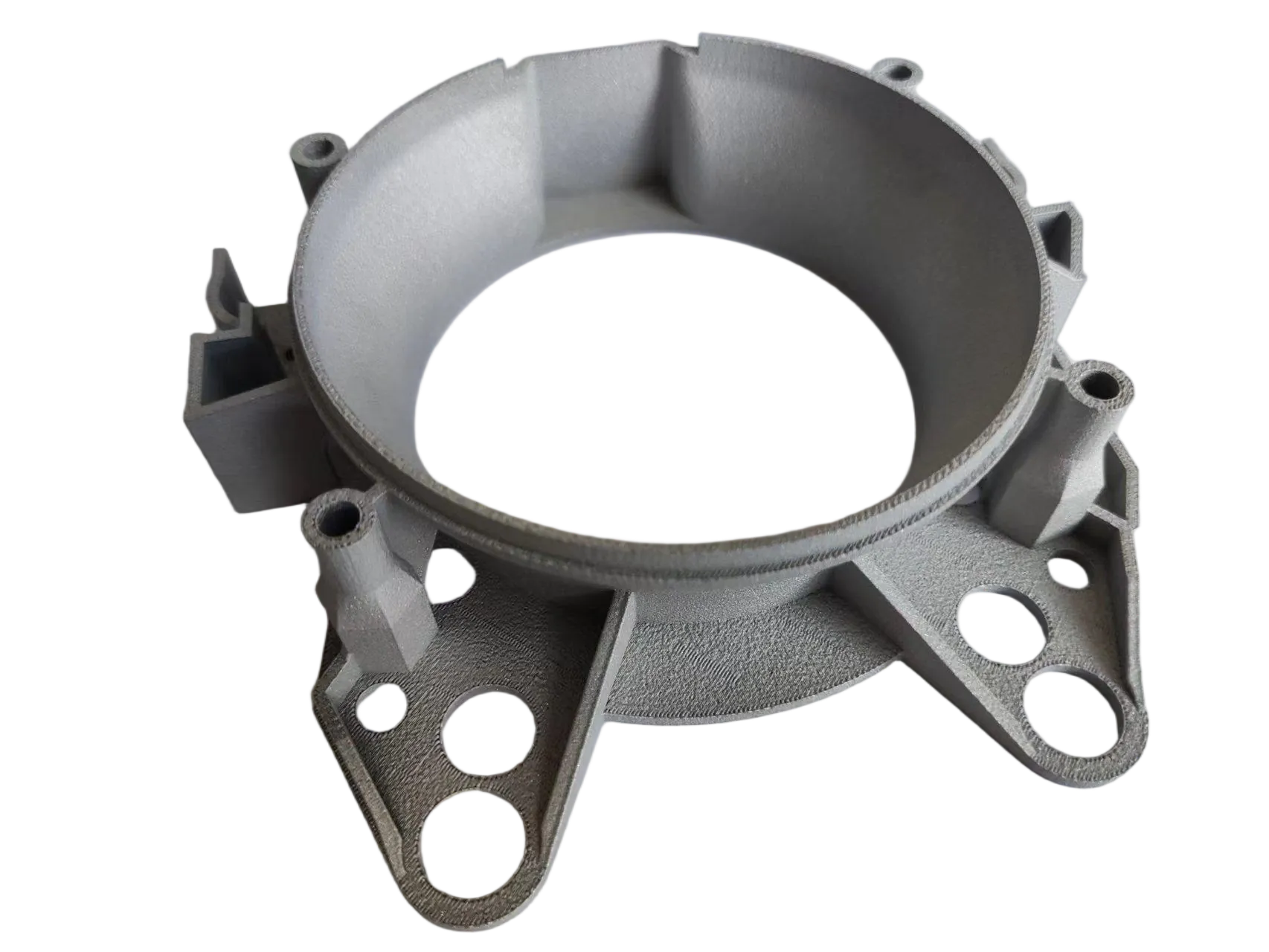
HP Metal Jet 3D solution printing and binder jetting 3D printing build metal components from powder.
Reliable resources enable manufacturers to create their products by offering advanced manufacturing and plastic injection molding services. Many companies usually consider HP Metal Jet 3D printing when they need consistent metal manufacturing that isn’t dependent on tooling constraints. The IN3DTEC team analyzes the requirements of parts, manufacturing objectives, and materials to assist our clients in choosing the best solution for them.
UNDERSTANDING THE TWO TECHNOLOGIES
Both HP Metal Jet 3D solution printing and binder jetting 3D printing build metal components from powder. Each method applies a binding agent that joins powder particles before the parts enter a furnace for final strengthening. HP Metal Jet belongs to the family of metal binder jetting technologies, yet it introduces its own printing architecture and production approach.
PRINTING METHOD DIFFERENCES
HP Metal Jet Workflow
HP Metal Jet uses specialized thermal inkjet printheads that place a binding agent with high precision across the powder bed. The system builds layers in sequence and then cures the printed components before sintering. HP developed this workflow to support accurate feature creation and efficient packing of multiple parts in one build.
Traditional Binder Jetting Workflow
The binder jetting technology applies a liquid binder to the metal powder. Yet, there is variation among different firms in terms of machine construction, printhead setup, and systems of powder delivery.
BUILD VOLUME AND PART ARRANGEMENT
Space within the printer
Another key similarity in terms of production relates to the arrangement of components within the printer. With HP Metal Jet systems, engineers can arrange multiple components within the powder bed to make optimal use of available space.
Production Planning
Many companies using binder jetting manufacturing evaluate nesting capability, part orientation, and furnace capacity before selecting equipment.
MATERIAL AND SURFACE CONSIDERATIONS
Material Availability
Current technology for metal 3D printing allows for materials like stainless steel, among others. The selection of materials depends on their resistance to corrosion and strength.
Surface Characteristics
In the case of the process for binder jetting metal 3D printing, finishing procedures are needed to improve surface characteristics following the sintering process.
BEST APPLICATIONS FOR EACH PROCESS
Where HP Metal Jet Excels
HP Metal Jet is ideal for companies looking for a well-defined and consistent production process. It also supports the broader growth of industrial metal 3D printing across automotive and industrial sectors.
Where Binder Jetting Technology Is Applied
Binder jetting is widely used. Many companies choose binder jetting for manufacturing metallic components, such as brackets, housings, fixings, and assemblies that feature complex inner geometry. Besides, binder jetting adds new capabilities to metal additive manufacturing.
Expert Guidance Before Choosing
Before choosing a solution, you should consider:
What kind of material will be needed for the part?
How many parts are required for this project?
What surface finish is required for this application?
IN3DTEC recommends that you evaluate the entire production process and not just a single process step. At times, an unbiased evaluation would yield the most logical conclusion.
BOTTOM LINE
In addition to the use of HP Metal Jet 3D printing, binder jetting 3D printing is another important aspect of manufacturing that holds many benefits. HP Metal Jet provides a new platform for manufacturing, while binder jetting represents a wider spectrum of 3D printing. To make the right choice, you must consider the material used, the construction method, and the finishing processes. A company that considers all these aspects can definitely choose the right process for its operation. IN3DTEC supports such companies with its engineering and manufacturing knowledge.