English
 Deutsch
 Español
 Français
 Italiano
 日本語
日本語 Русский
 中文
中文
What Are the Benefits of Metal 3D Printing?
- Published September 23 2026 - Updated September 23 2026
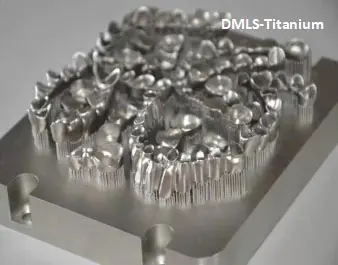
Benefits of metal 3d printing, Aluminum, Stainless Steel 316L, Maraging Steel (MS1), Titanium(Ti64)
What is the performance of metal 3D printed parts compared with traditional processed ones? What materials are available in metal 3d printing? In which industries are metal printing can be used? How to design products based on its printing performance?
With the development of laser-based powder bed fusion, the first technology for metal Additive Manufacturing was established. Today we know more than 18 different metal 3D printing processes, so it is necessary to understand its performance and possibilities before choosing one.
TYPES OF METAL 3D PRINTING
| Category | Technology & Definition |
| Powder | Selective Laser Metal Sintering (SLM, or DMLS), Laser Beam Powder Bed Fusion, Binder Jetting, Powder Metallurgy Jetting, Powder Feed Laser Energy Deposition, Cold spray |
| Wire | Wire Arc / Plasma Arc Energy Deposition, Liquid Metal Printing |
| Sheets | Ultrasonic Welding |
| Rods | Friction Deposition |
| Dispersion | Nanoparticle Jetting |
| Filament | Metal Filament Fused Deposition Modeling |
| Pellet | Metal Pellet Fused Deposition Modeling |
Among the above technologies, every technology has its advantages, so it is hard to say which one is good or bad. The most popular technologies are Binder jetting, DMLS Direct Metal Laser Sintering, EBM, and SLM Selective Laser Melting, free from residual stresses and internal imperfections.
CASE STUDIES
Automotive
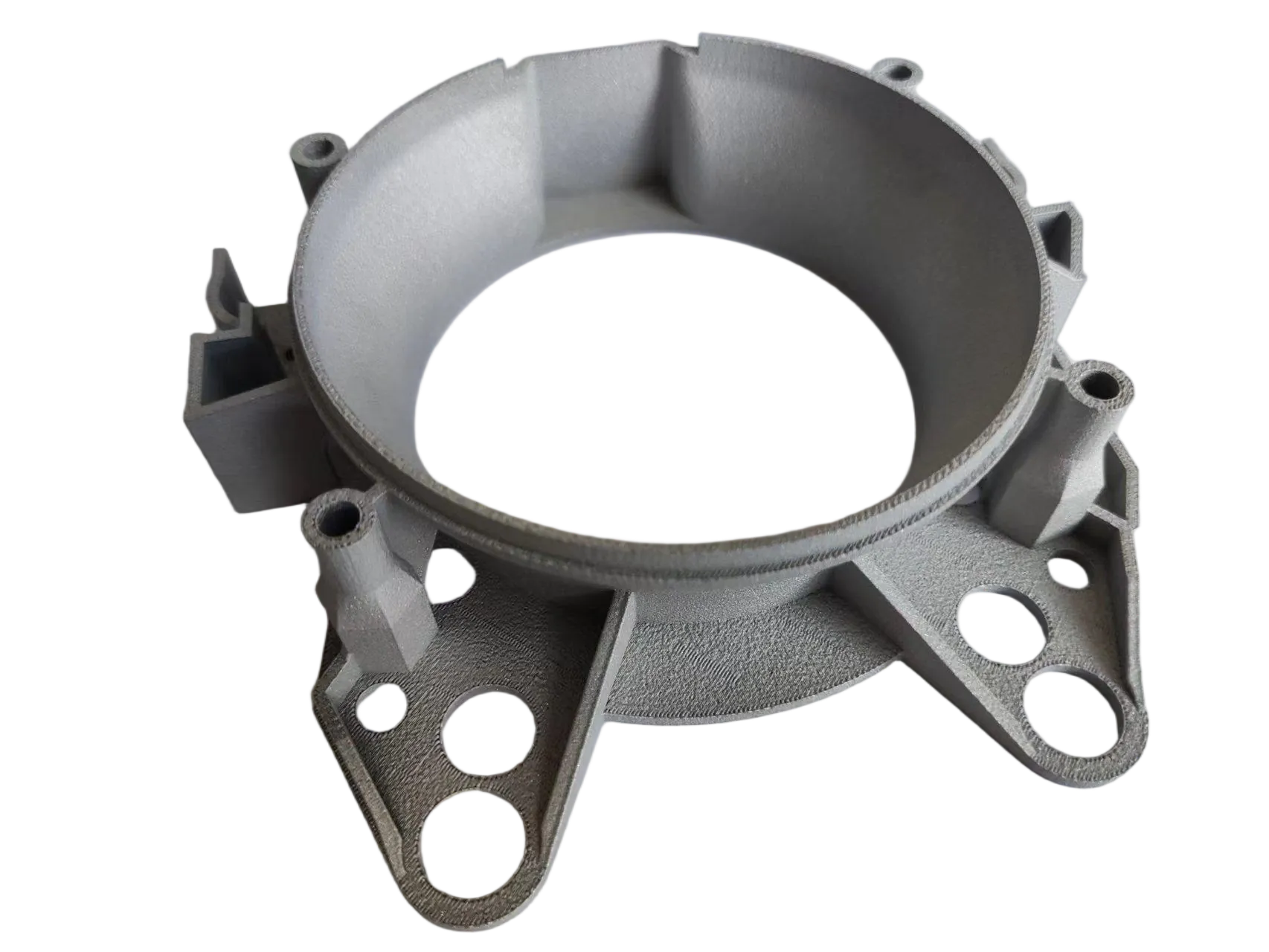
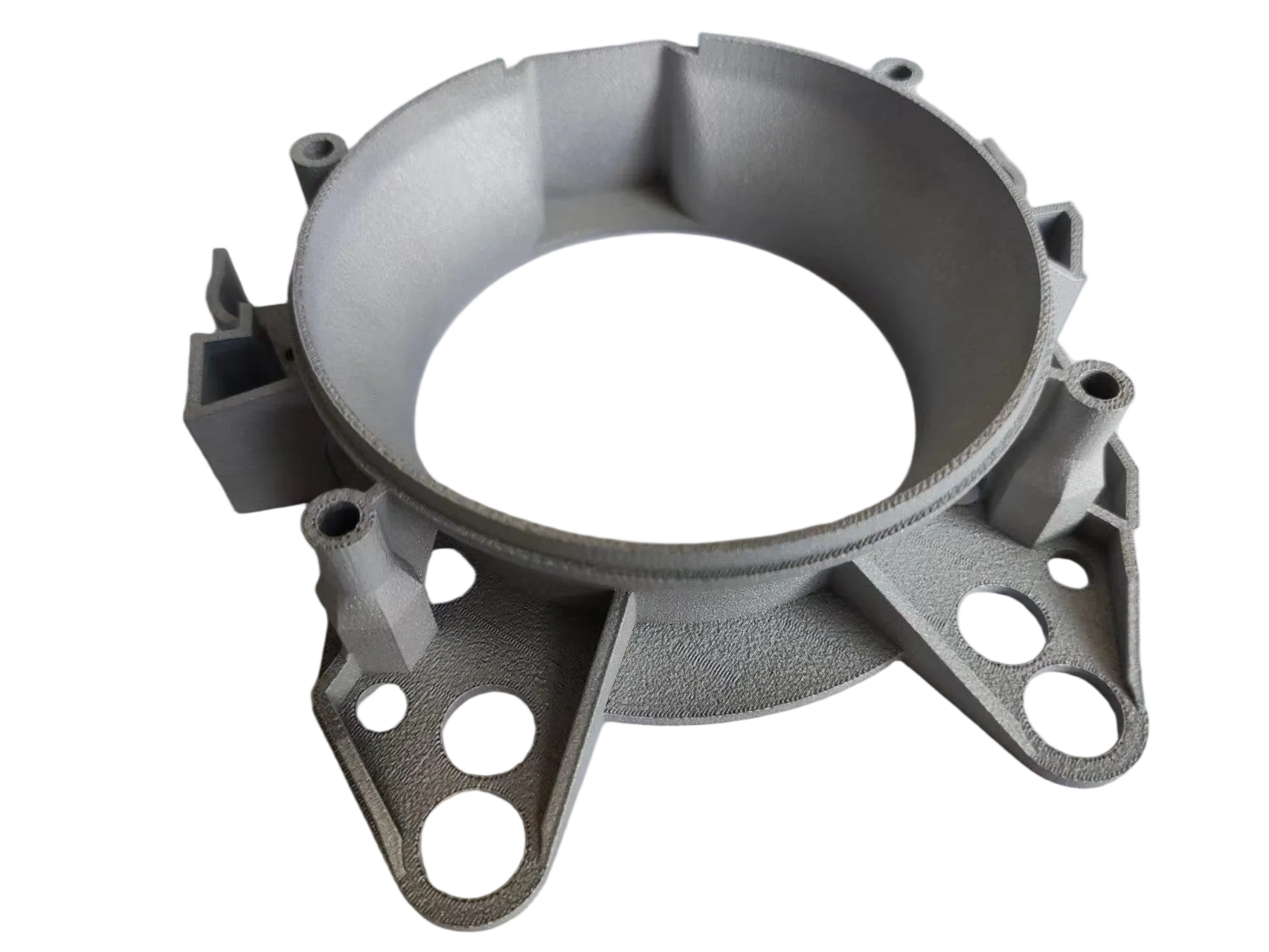
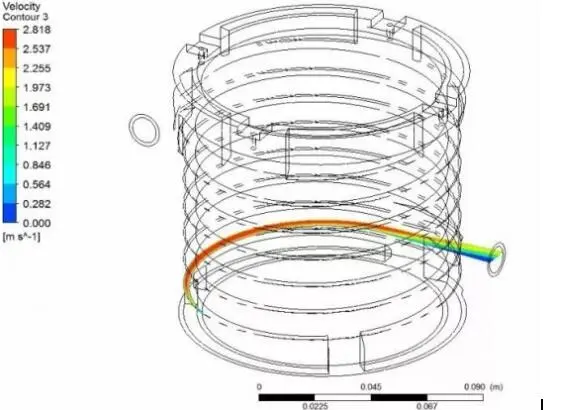
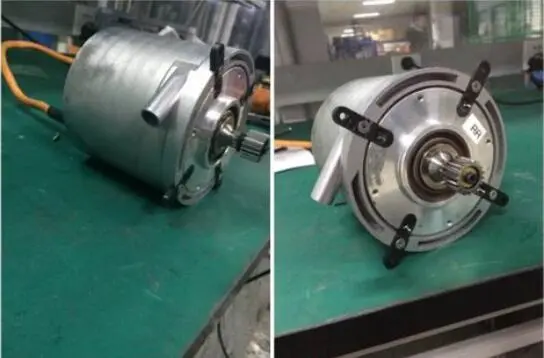
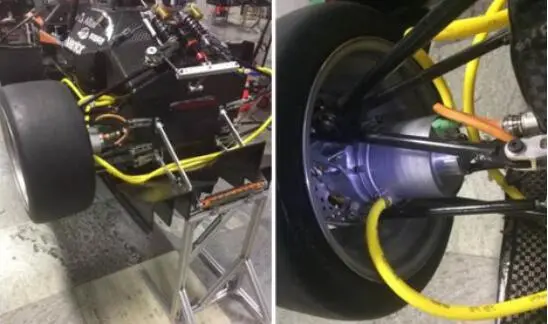
Metal printed cooling jacket, Material in Alsi10Mg with sand blasting and heat-treatment.
Aerospace
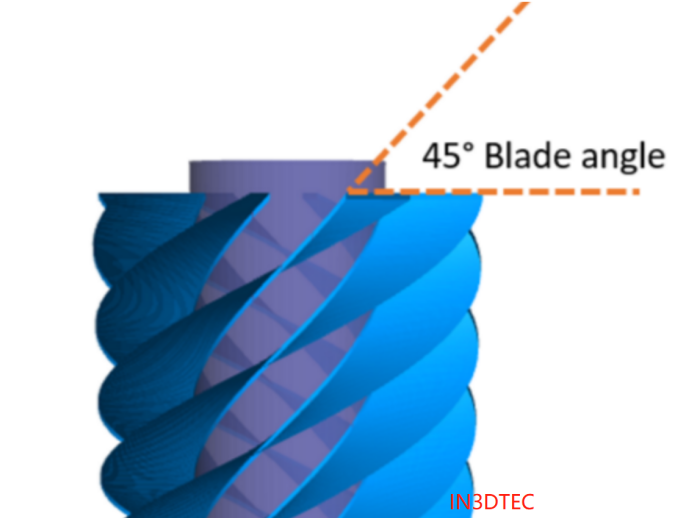
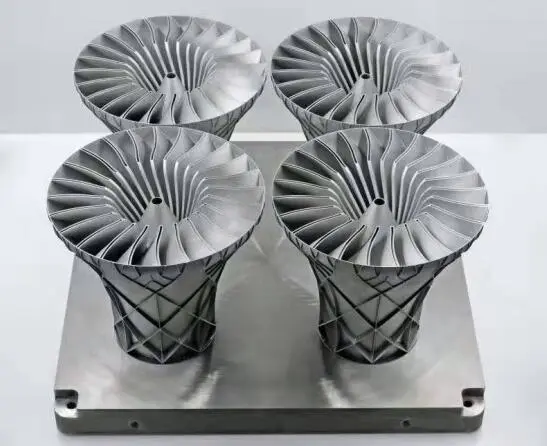
Turbine
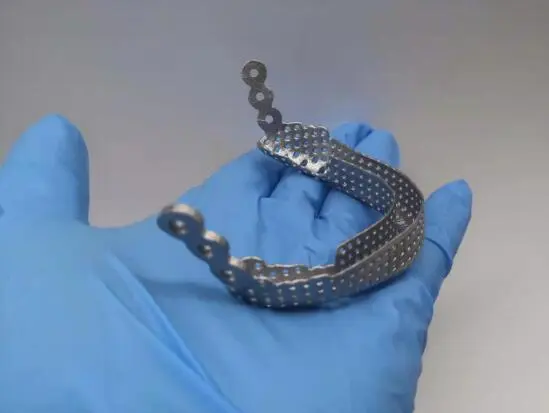
Medical
Surgical Implant, Medical-Ti64, Design by Sachith Fernando, Ataintl, printed at IN3DTEC factory.
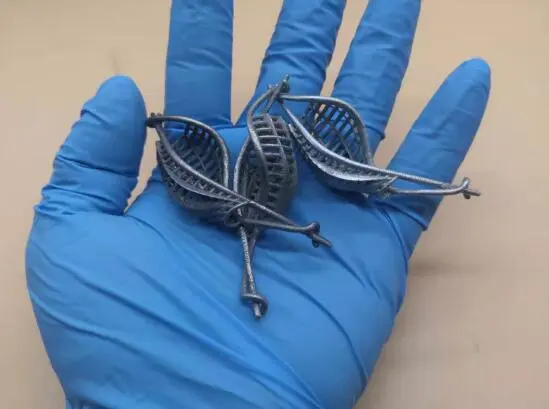
Jewelry
Titanium, SS316, Al10SiMg, Designed by Rawan Alderjem, Printed at IN3DTEC factory.
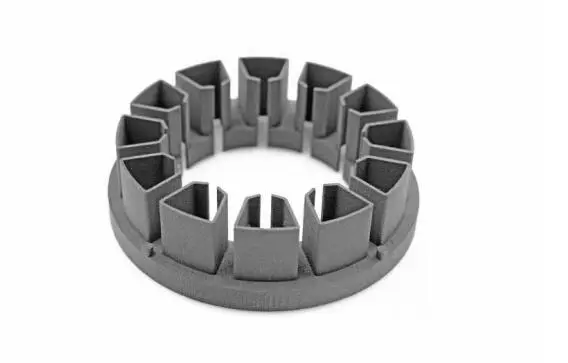
Tooling
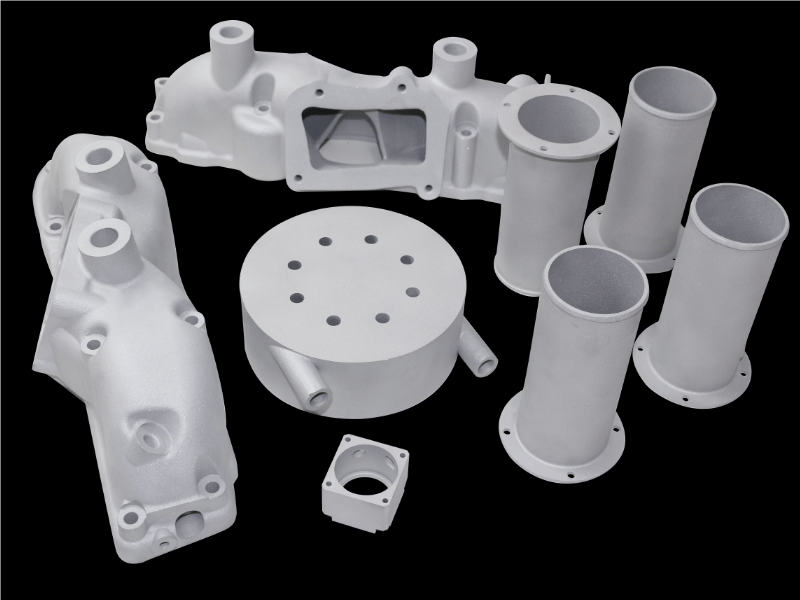
Stainless Steel 316
SUPPORTED MATERIALS
So far, there are almost more than 15 materials are available in the market, such as Aluminum-AlSi10Mg, Bronze, Copper, Maraging Steel(18Ni300), Stainless Steel(420, 316L, 15-5PH, 17-4PH), Inocel(718, IN625, GH3536), Titanium-Ti6Al4V, Silver, and more.
Please Click Here to visit the below link to check the available materials’ TDS from IN3DTEC.
MECHANICAL PERFORMANCE、TOLERANCE & SMOOTHNESS
| Mechanical Properties(As printed) | AlSi10Mg-AL | SS 316L | Maraging Steel-18Ni300 | Titanium-Ti64 |
| Density (g/cm3) | ≥2.65 | ≥7.9 | ≥8.0 | ≥4.4 |
| Tensile strength Mpa | 430±30 | 637±50 | 1150±100 | 1150±70 |
| Yield Strength Mpa | 270 | 550±50 | 1050±100 | 1000±50 |
| HRC | 140±20 HV5/15 | 215±10 HV5/15 | 35±3HRC | 360±30 HV5/15 |
| Elongation after Fracture(%) | 3±1 | 34±5 | 12±3 | 8±2 |
| Mechanical Properties(Heat Treated) | AlSi10Mg-AL | SS 316L | Maraging Steel-18Ni300 | Titanium-Ti64 |
| Density (g/cm3) | ≥2.65 | ≥7.9 | ≥8.0 | ≥4.4 |
| Tensile strength Mpa | 350±50 | 600±50 | 1950±100 | 1050±70 |
| Yield Strength Mpa | 240±30 | 500±50 | 1900±100 | 950±50 |
| HRC | 75±20 HV5/15 | 190±10 HV5/15 | 53±3HRC | 330±30 HV5/15 |
| Elongation after Fracture(%) | 6±1 | 45±5 | 4±2 |
12±2 |
Roughness as built: Ra7-9.
Tolerance: Length within 100mm +/- 0,1mm; length >100mm, 100*0.1%mm.
CNC Machining: When tighter tolerances than the standard ± 0.1 mm are required, machining is employed as a finishing step.
Heat-treatment: To improve the material properties of the part.
Polishing: Certain applications require a smoother surface than the standard RA 7 μm of as-printed.
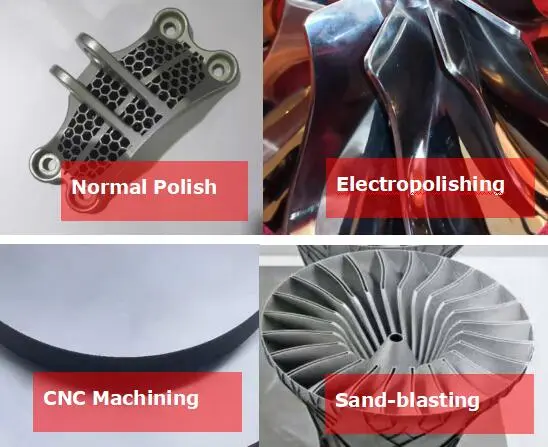
SURFACE FINISHES
CNC Machining: For tighter tolerance than +-0.1m are required.
Sand-Blasting: To remove the visible layers on the surface.
Electropolishing: To make a super smooth surface.
Regular/Normal polish: By hand, to get a Roughness like machined parts.
Anodizing, Plating: For parts that can be polished well, make a uniform or protection surface coating.
BENEFITS AND LIMITATIONS
Benefits:
+ Free-design your parts in a complex structure.
+ Good accuracy and fine details.
+ Various materials.
+ Time and cost save for low-volume parts.
Limitations:
– Cost is higher than CNC for simple parts.
– Support structures should be paid more attention to.
– Roughness is higher than CNC.
FREE DESIGN TIPS
| Position | Tips |
| a | Minimum wall thickness 0.5mm |
| b | Fonts minimum thickness 0.5mm |
| c | Fonts height or depth 0.5mm |
| d | Minimum hole diameter 0.8 mm |
| e | Minimum Gap 0.5mm |
Thread: Tapping the thread by CNC after the printing is recommended.
Assemble gap: 0.15mm at each side is necessary for parts to need assembly.