English
 Deutsch
 Español
 Français
 Italiano
 日本語
日本語 Русский
 中文
中文
All you need to know about vacuum casting
- Published November 06 2025 - Updated August 24 2026
Let’s explore vacuum casting technology.
A warm welcome to all you curious minds and DIY enthusiasts reading our comprehensive guide to the fascinating world of vacuum casting! If you’ve ever wondered how complex prototypes, one-of-a-kind jeweler pieces, or even mechanical components are manufactured with such high precision, you’re about to embark on an enlightening journey of discovery.
In this blog, we’ll take an in-depth look at vacuum casting technology, exploring its principles, processes and limitless possibilities. Whether you’re a beginner keen to learn about this innovative technology or an experienced maker looking to improve your skills, we’ve got you covered. So, let’s roll up our sleeves and explore the fascinating world of vacuum casting together!
HOW DOES VACUUM CASTING WORK?
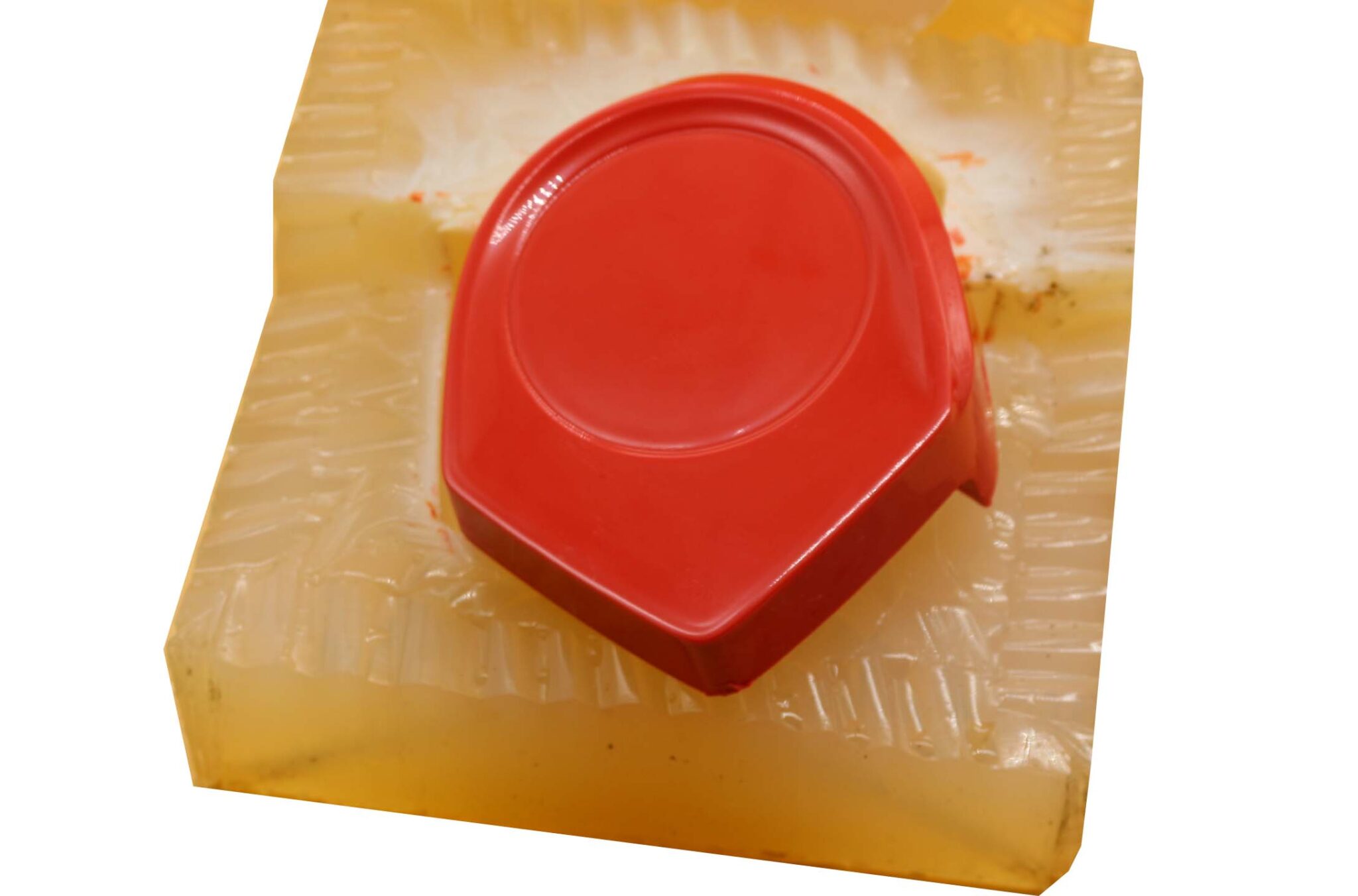
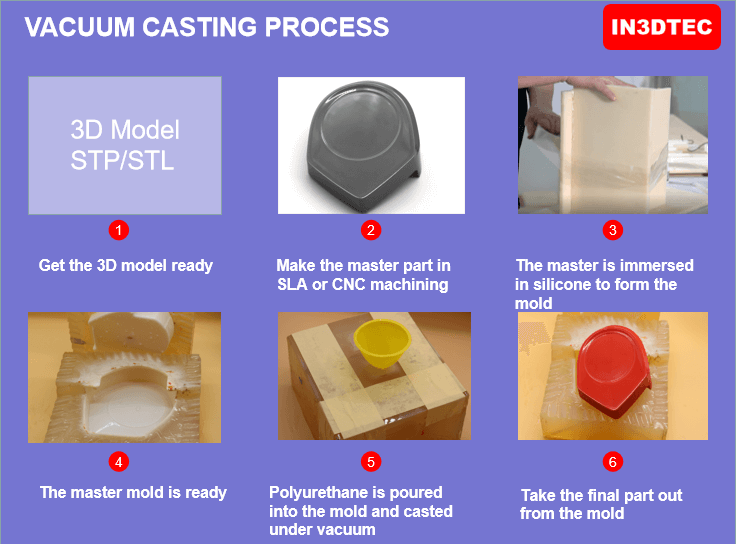
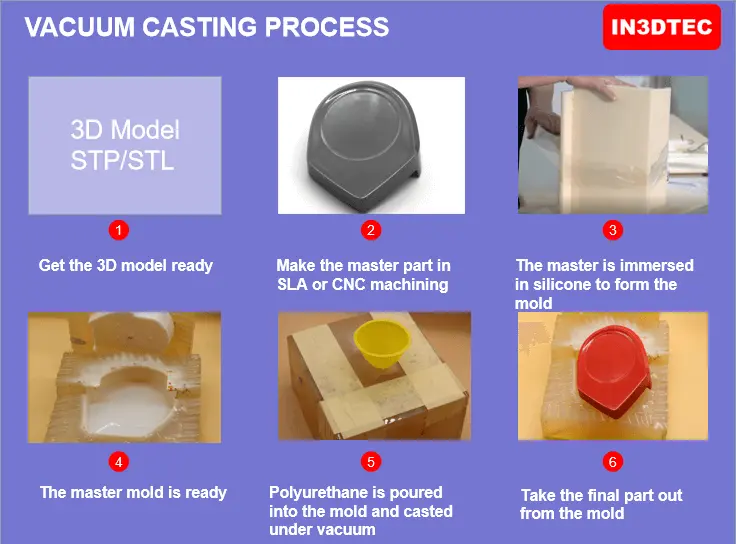
Vacuum casting is a copying technique used for the production of small series of functional & high-quality end-use plastic parts. It is a casting process for plastics using a vacuum to draw the liquid material into the mold, then put it into an oven for getting the final solid parts.
VACUUM CASTING MATERIALS
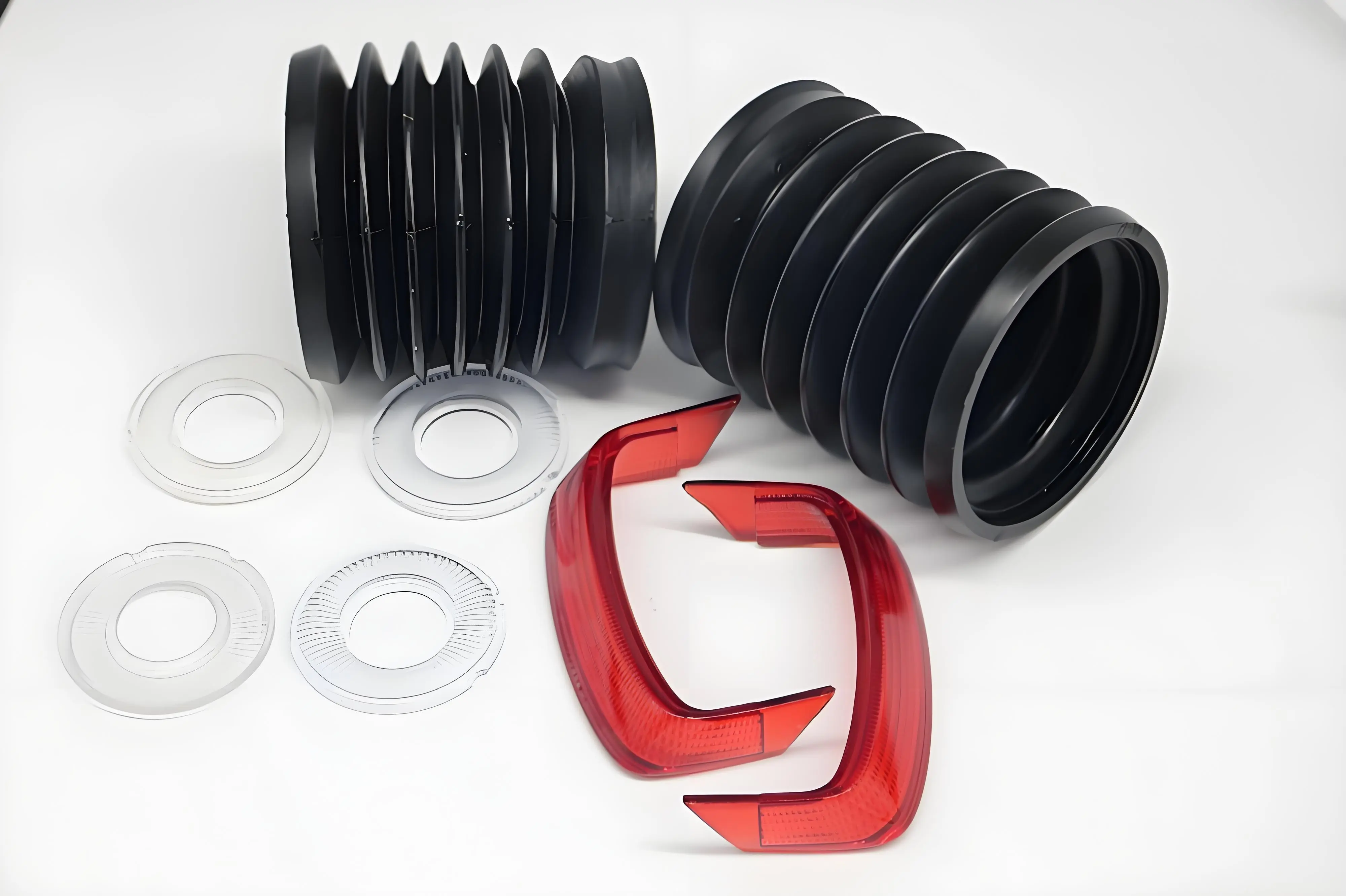
Vacuum casting is mainly used for producing plastics, the materials including ABS, PC, PP, NYLON, and TPU/PU/Rubber.
Please click HERE to view the technical data-sheet of these materials.
Geometric complexity, accuracy, roughness, cost of vacuum casting
Complexity
Vacuum casting has advantages in creating parts with high geometric complexity. Its is not sensitive to the complexity of the structure, Allow designers to have unlimited spatial imagination.
Complexity, From high to low
3D Printing > Vacuum casting > CNC Machining > =Injection Molding
Accuracy
ABS, PC, PP, NYLON with a tolerance of +/-0.1mm
TPU/PU/RUBBER with a tolerance of +/-0.3mm
Roughness or Smoothness
From high to low
Injection Molding >= Vacuum casting > CNC Machining > 3D Printing
Cost
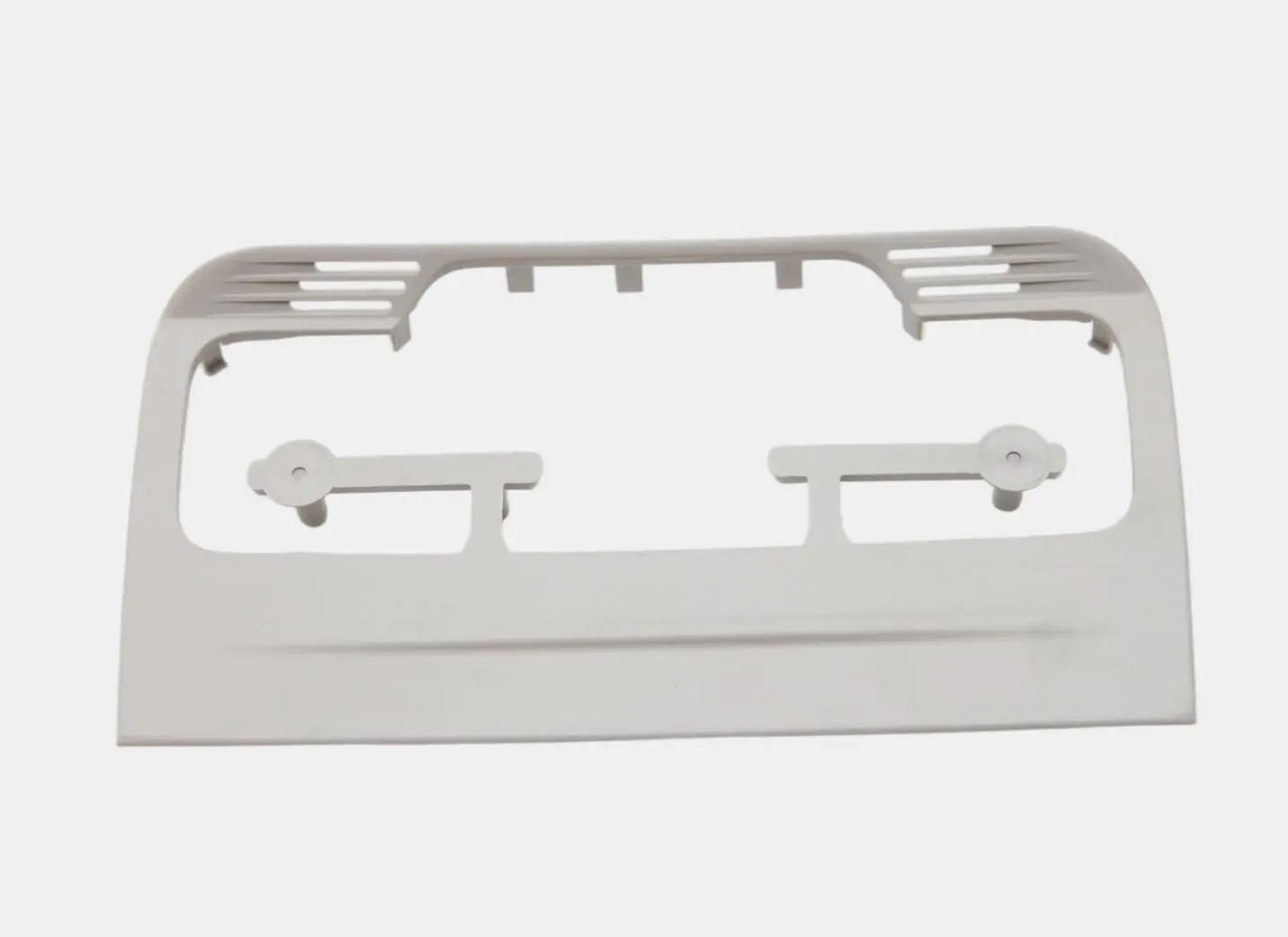
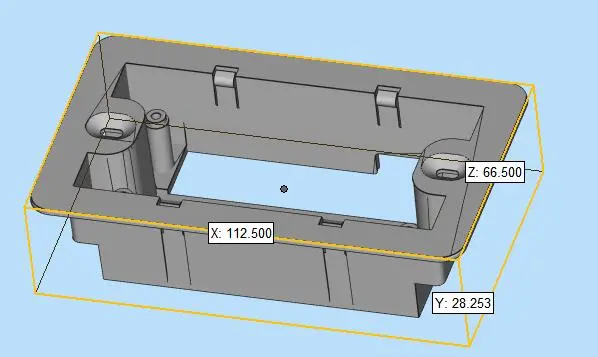
Let’s take the part below/image an example,
Material: ABS
Quantity: 20 pieces
Cost from cheap to expensive
3D Printing (USD8/piece)<Vacuum Casting(USD26/piece) < CNC Machining(USD40/piece)
WHY AND WHEN CHOOSING THE VACUUM CASTING?
When we talk about vacuum casting, we usually compare it with injection molding. So, let’s distinguish the difference between them first.
Cost difference, let’s take the mobile phone case as an example, the mold of the vacuum casting is only tens of dollars, while injection molding costs thousands of dollars. On the other hand, the production fee of vacuum casting is tens of dollars per unit, while injection molding only costs 1 or 2 dollars.
In brief, vacuum casting has a lower front-end cost and a higher unit price, while injection molding requires a higher front-end cost, but the unit price is significantly lower。
Compared with 3D Printing (3DP), what’s the advantage of vacuum casting? Base on the same material, vacuum casting has higher smoothness, durable, and accuracy, and it has not limitation to the color as well.
How does it compare to CNC machining? It is difficult to say which one is better, but if we consider the complexity of the prototype, production efficiency, and cost, vacuum casting will have more advantages. While the CNC machining has more material options, the material performance is better.
Being able to make soft materials quickly is one of the biggest advantages of vacuum casting. It supports materials from Shore 30A to Shore 95A, from Shore 10D to Shore 90D, in any customized Pantone No.
In conclusion, vacuum casting is not in conflict with and can’t replace other technologies, Instead, it is a supplement way, providing more flexible solutions for manufacturing.
HOW TO CHOOSE THE RIGHT TECHNOLOGY AMONG INJECTION MOLDING, 3D PRINTING, CNC MACHINING, VACUUM CASTING?
3D Printing (3DP), CNC Machining (CNC), Vacuum Casting ( VC), Injection Molding (IM)
High Geometric structure: 3DP & VC are better
Dimensional accuracy: CNC & VC are better
Mechanical properties in all 3 dimensions: CNC & VC are better
Lead time: CNC with 6-8 days, VC with 6-8 days, IM with 35 days, 3DP as fast as one day
Cost: Complex geometry or lightweight parts, 3DP and VC have more advantages
Quantity: 3DP, CNC, and VC are suitable for low-volume parts, IM is more suitable for large volume parts