English
 Deutsch
 Español
 Français
 Italiano
 日本語
日本語 Русский
 中文
中文
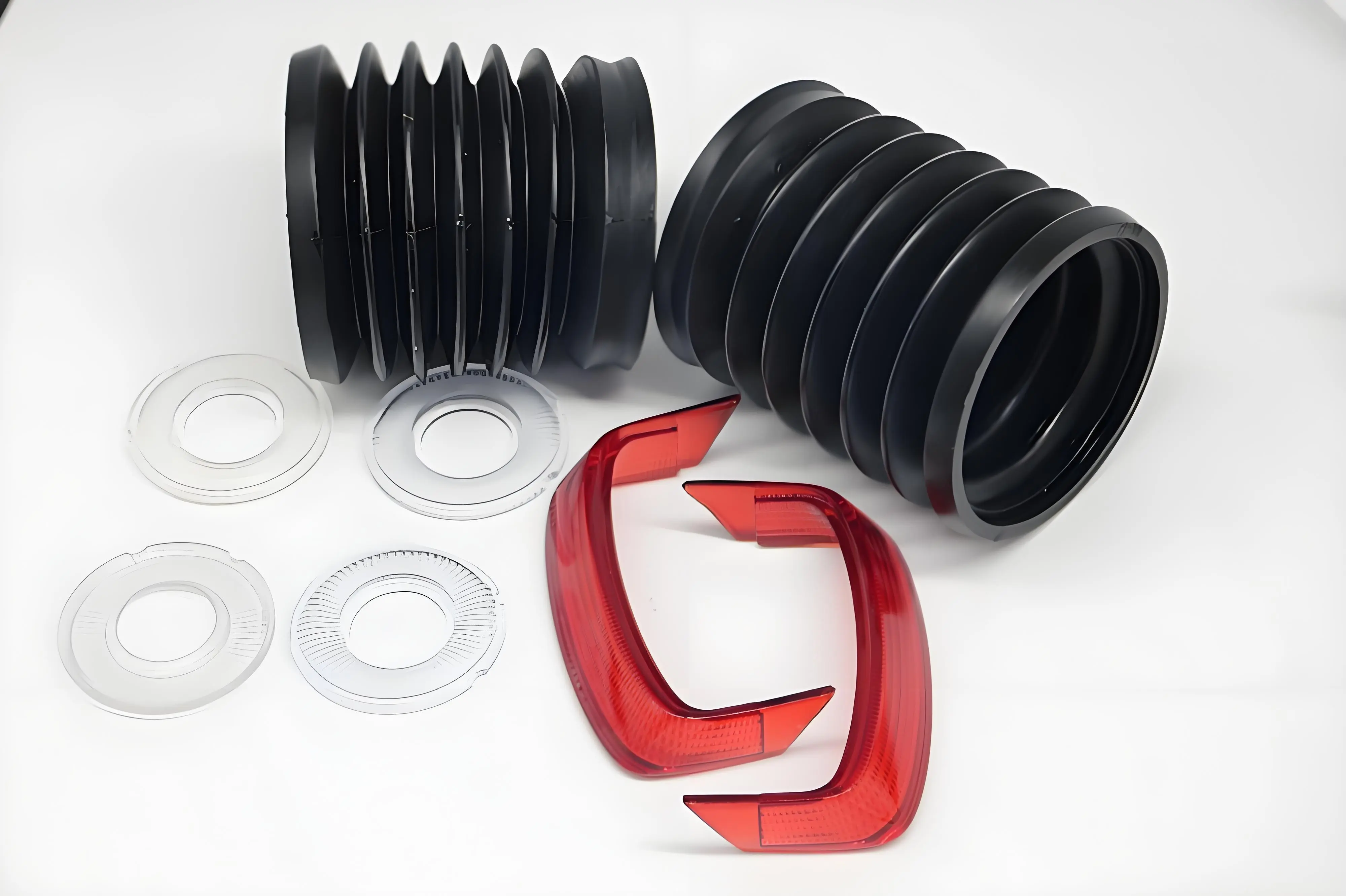
When You Need Vacuum Casting Prototyping Services?
- Published August 19 2026 - Updated September 19 2026
Vacuum Casting Prototyping Services
All products need to be tested before mass production. Companies require parts for the evaluation of their dimensions, shapes, fit, and performance. Tests carried out during the early stages can help identify errors and improve product quality. This phase is where vacuum casting prototyping proves helpful. They allow creating high-quality prototype parts in a short period of time. Many industries use vacuum casting to develop their products. Many industries use this method during the product development process. In3dtec offers vacuum casting services that allow this.
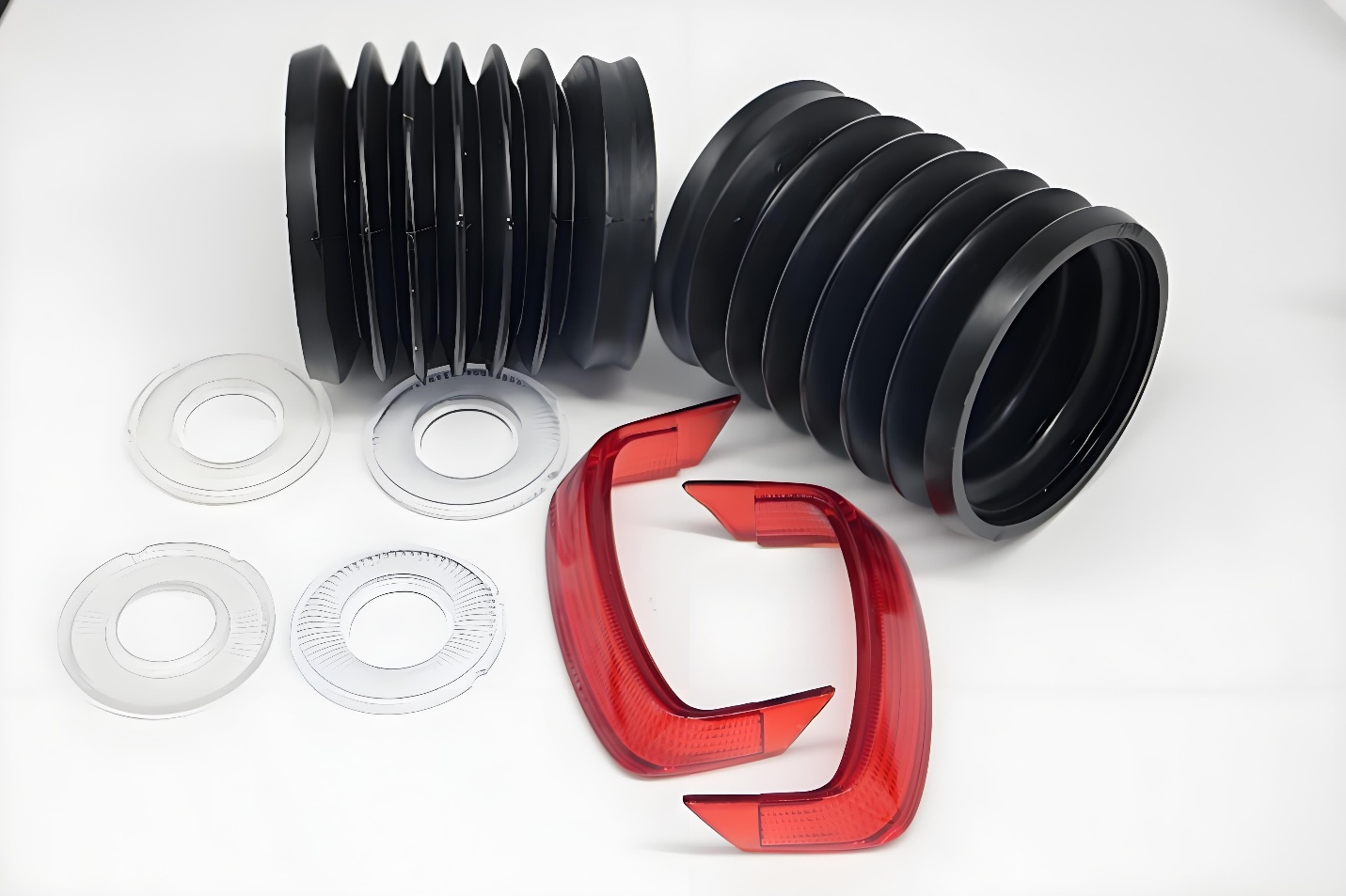
UNDERSTANDING VACUUM CASTING PROTOTYPING
Definition of Vacuum Casting
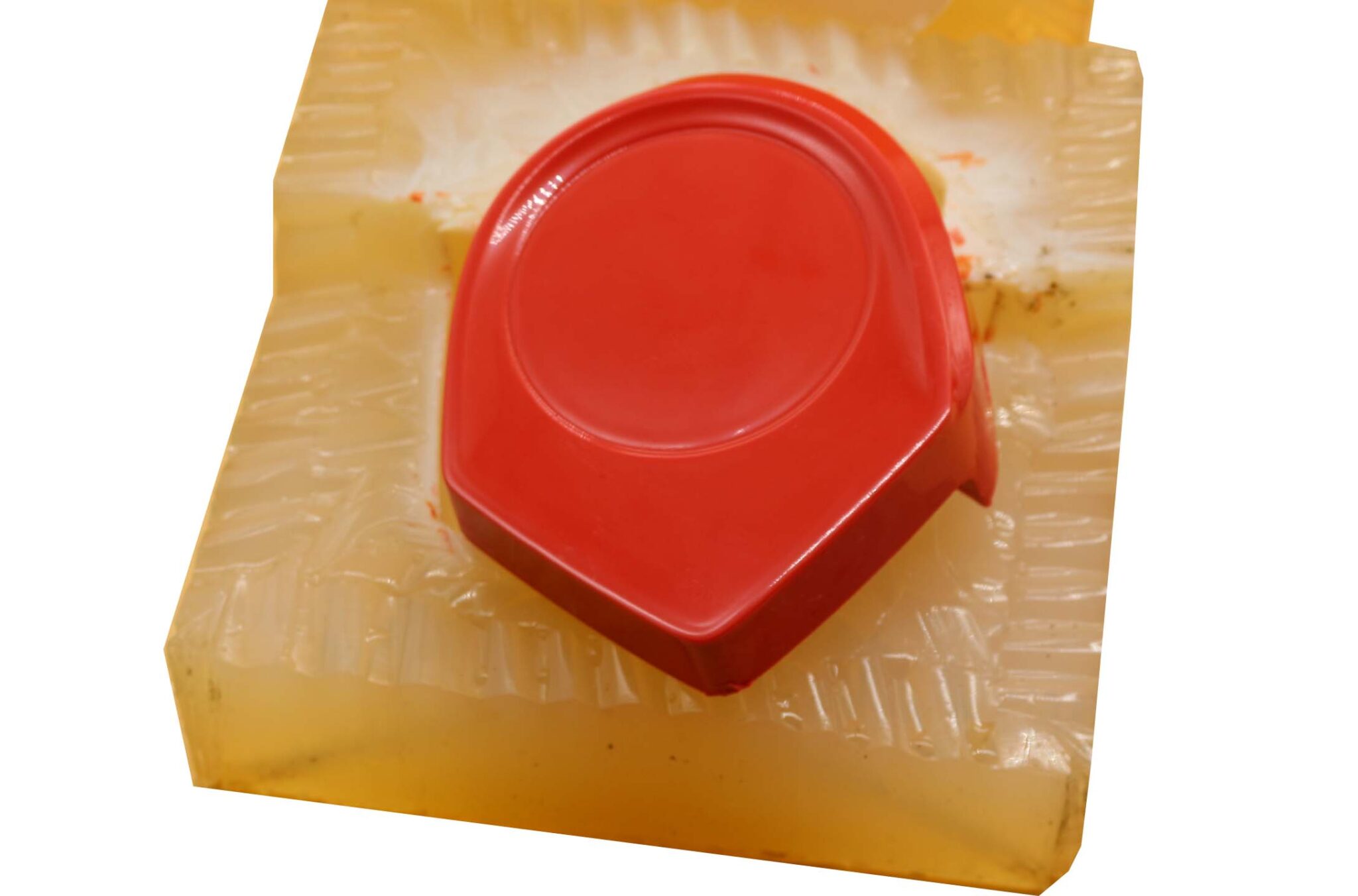
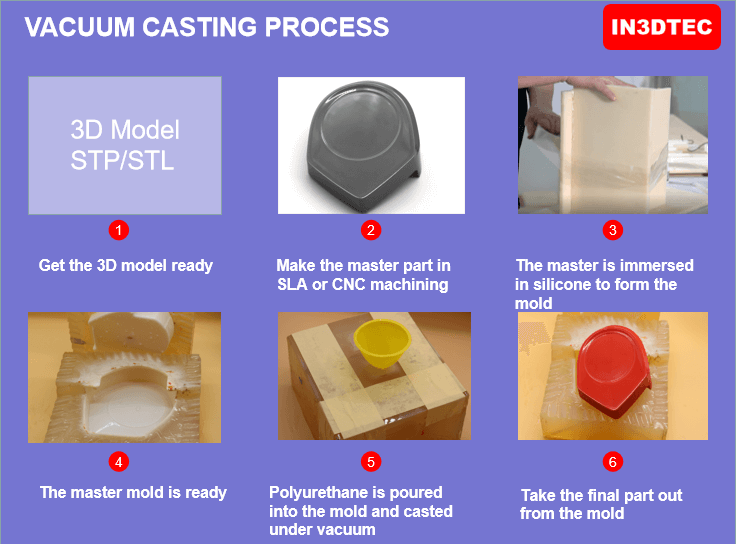
Vacuum casting prototyping is a technique whereby prototype parts are produced through the use of a silicon mold and a liquid material.
Process Involved
Key Steps
● Creation of a master model
● Silicon Mold Creation
● Creating a silicone mold
● Filling of the mold with liquid material
● Removing air from the mold
● Curing of the part
● Removal and inspection of the part
In summary, companies obtain quality prototype parts for their test and assessment purposes.
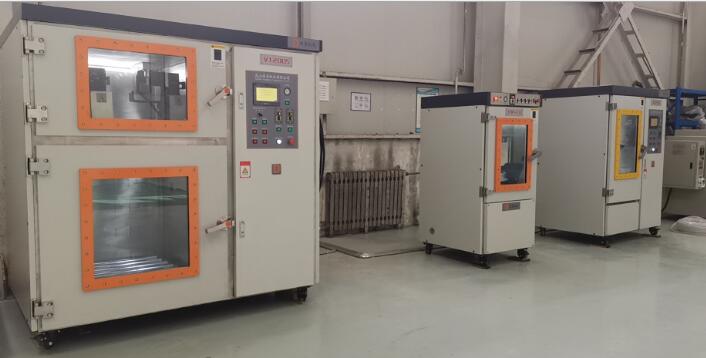
WHEN BUSINESSES NEED VACUUM CASTING SERVICES
Testing a New Product
Before production starts, companies need to test product designs. Prototype parts help teams check how a product fits and works.
Small Quantity Molding
In some instances, there is a need for a limited quantity of parts. For such applications, urethane casting services offer an easy solution.
Product Appearance Verification
Several companies require seeing how the product looks before manufacture. Vacuum casting provides transparency for making parts for visual inspection.
ADVANTAGES OF VACUUM CASTING IN PROTOTYPING PRODUCTION
Smooth Surface
Vacuum casting makes prototype parts have smooth surfaces.
Various Types of Materials
Manufacturers can use various types of material options in this process.
Some examples are
- Hard Plastic-Type Parts
- Soft Touch Parts
- Rubber-Like Vacuum Casting Parts
- Transparent Plastic-Type Parts
- Shorter Development Time
This process saves time compared to other manufacturing processes.
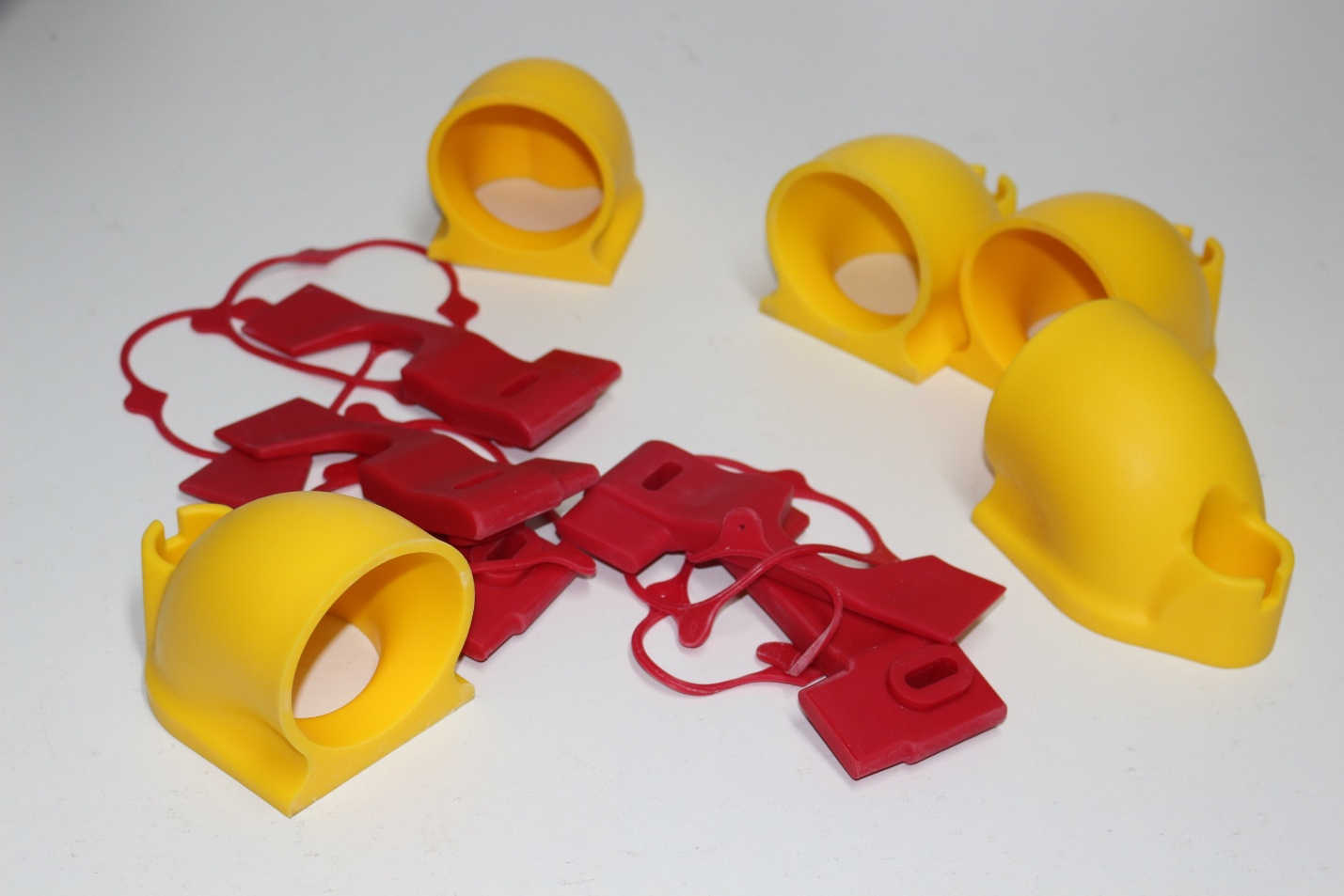
Reduced Development Costs
Since there is generally a low number of prototype parts to be manufactured in prototype projects, polyurethane vacuum casting will be helpful in controlling development costs.
BOTTOM LINE
Prototypes help businesses develop better products. With prototypes, you will be able to test the product design and solve any problems that arise. Prototypes enable you to test the product design and address any issues that may arise. It is easy to make prototypes through vacuum casting. In3dtec has a solution that will help you in developing, testing, and manufacturing your products. Vacuum casting, which has good finishes and quality, is a good way of manufacturing products.
FAQS
How does vacuum casting differ from injection molding?
Vacuum casting serves best for creating prototype models and manufacturing limited quantities of parts, while injection molding works best for producing large quantities of parts.
Why is vacuum casting more effective than 3D printing?
Vacuum casting gives us components that have smooth surfaces because of the production grade materials, while 3D printing creates components using layers of materials.