English
 Deutsch
 Español
 Français
 Italiano
 日本語
日本語 Русский
 中文
中文
Case Study: Metal 3D Printed Shift Knob for a Custom Supercar
- Published June 23 2026 - Updated June 23 2026
How IN3DTEC manufactured a customized aluminum component for functional testing and vehicle modification
In custom vehicle development, many components cannot be directly sourced from standard catalogs. Engineers often need to modify existing designs according to the actual vehicle structure, available space, and performance requirements.
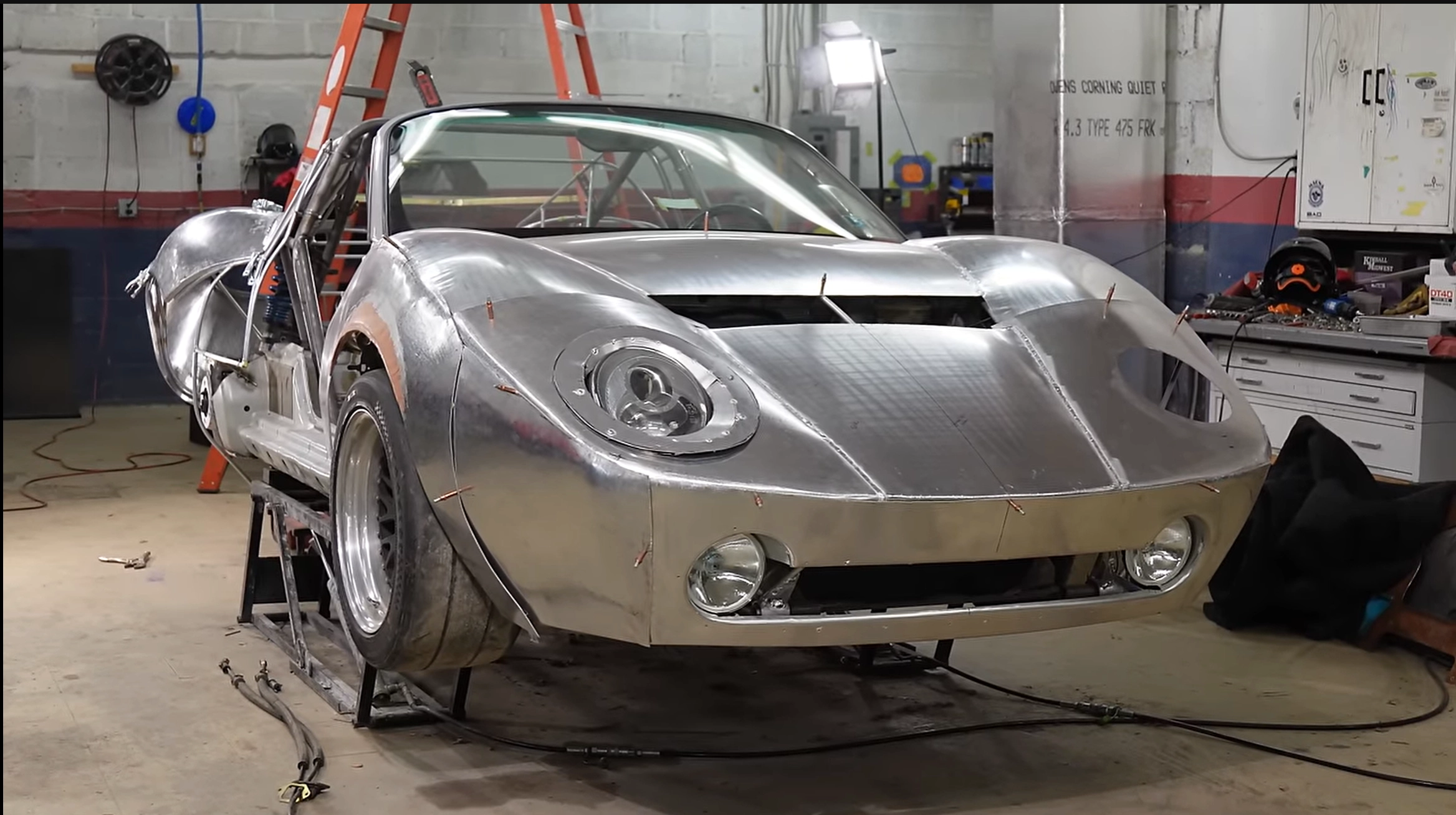
This case study shows how IN3DTEC helped Crucible Coachworks produce a customized aluminum shift knob using metal 3D printing during the development of a custom supercar.
The project required a part with a specific geometry, lightweight structure, and sufficient mechanical strength for real vehicle installation and testing.
BACKGROUND
Crucible Coachworks was building a custom supercar based on a Porsche Boxer chassis.
During the modification process, the vehicle’s drivetrain layout changed. The original shift cable routing was no longer suitable because of changes around the engine and exhaust system.
The team needed to adjust the shift mechanism based on the actual installation conditions.
This required several rounds of:
- Measuring the available installation space
- Adjusting the shift system design
- Producing test parts
- Checking the fitment on the vehicle
At the same time, the original factory plastic shift component did not meet the requirements of the modified vehicle.
Compared with the original application, this vehicle required a component with higher stiffness and better durability.
The team needed a new shift component that could be customized according to their design and tested directly on the vehicle.
CHALLENGE
Short Development Cycles
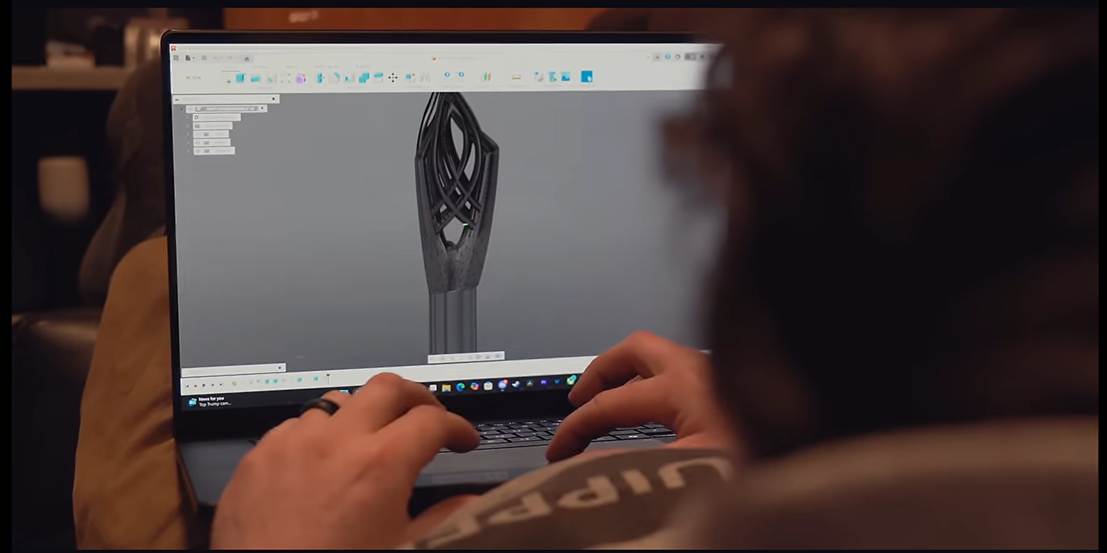
Because the shift system was being modified together with other vehicle components, the final dimensions were not fixed at the beginning.
The part design needed to change according to installation feedback.
For this type of development process, traditional manufacturing methods can become inefficient because each design change may require additional machining preparation and production time.
The team needed a way to produce updated versions of the part without long waiting periods.
Material Requirements
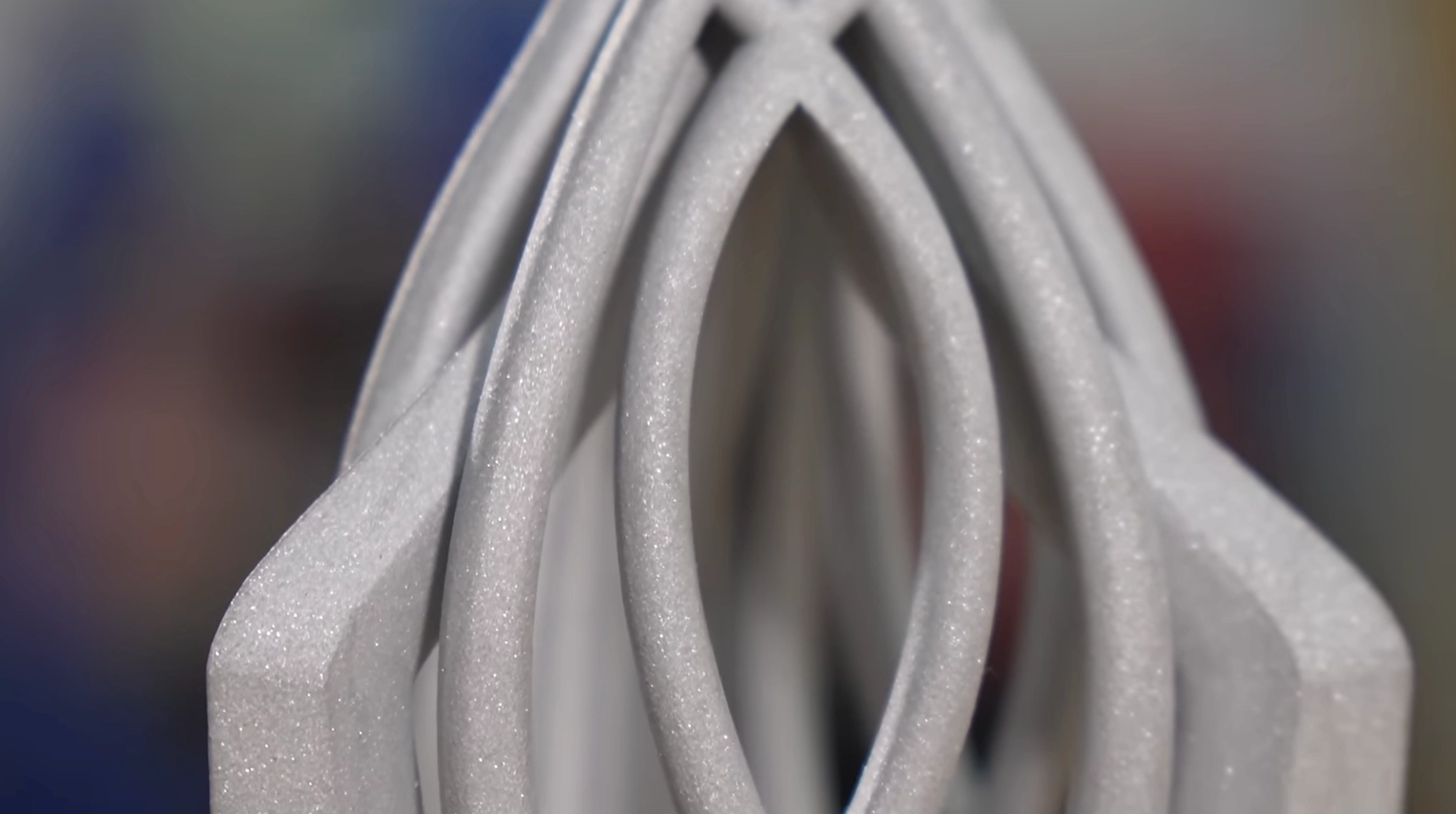
The original plastic component was not suitable for the final application.
The new part needed to provide:
- Higher rigidity
- Better mechanical durability
- Reliable performance during testing
A metal material was selected to better match the requirements of the vehicle application.
Complex Geometry
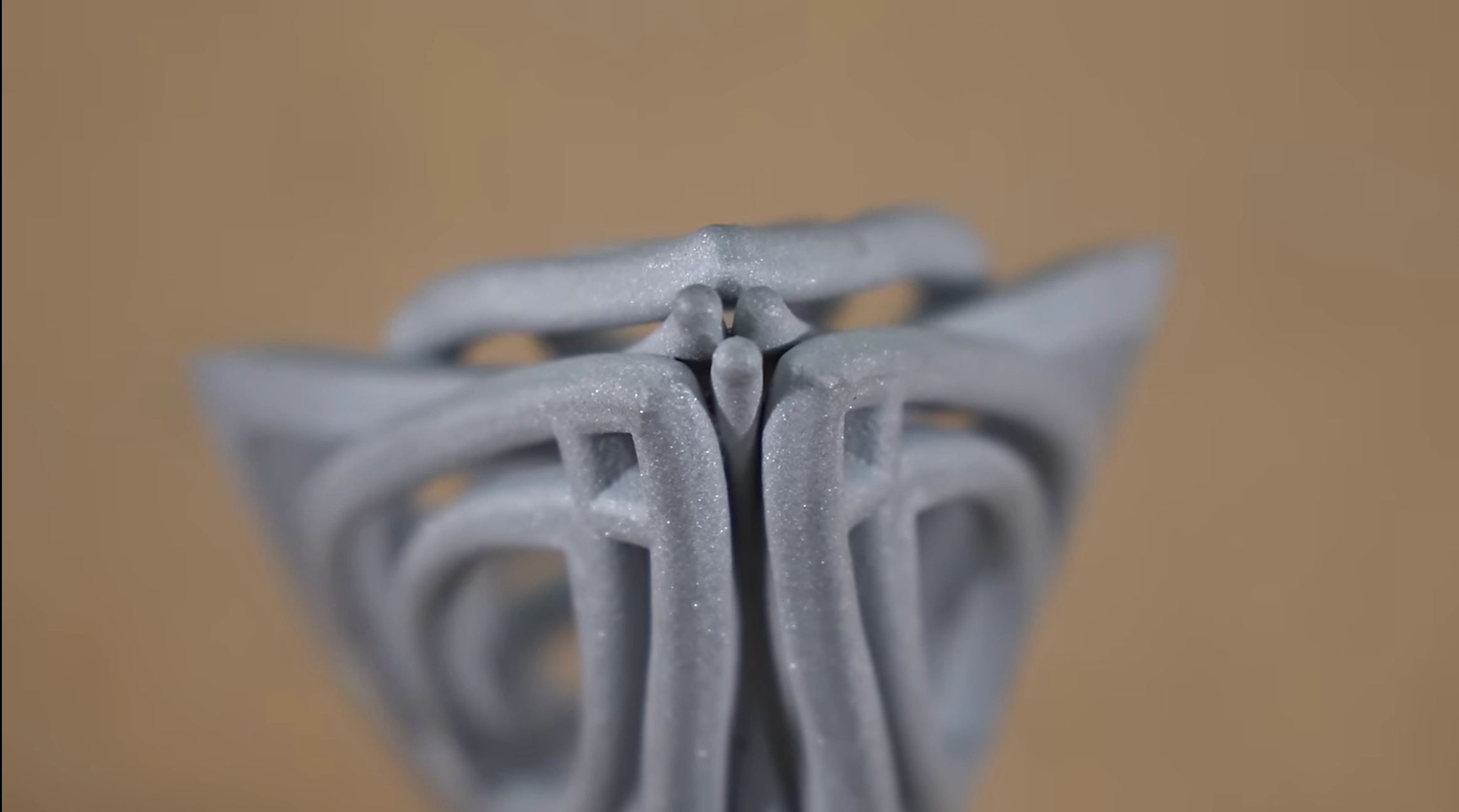
The shift knob was designed with a customized shape that would be difficult to manufacture efficiently with conventional machining.
Because CNC machining removes material from a solid block, complex internal or curved structures can require multiple setups and increase production difficulty.
Metal 3D printing provided more design flexibility for producing this type of geometry.
SOLUTION
IN3DTEC manufactured the customized shift knob using aluminum metal 3D printing.
The process started from the customer’s 3D model. After reviewing the design and manufacturing requirements, the part was produced using metal additive manufacturing.
Aluminum was selected because it provides a combination of:
- Low weight
- Good strength
- Suitable mechanical properties for functional prototypes
Compared with the original plastic component, the printed aluminum part provided improved rigidity and was closer to the final functional condition.
Supporting Design Changes During Development
One advantage of metal 3D printing in this project was the ability to manufacture a customized part directly from a digital model.
When design adjustments are needed, engineers can update the CAD model and produce a new version without changing traditional tooling.
This helps reduce the time between design modification and physical testing.
For vehicle development projects where components need to be checked in real installation conditions, this process makes testing more efficient.
Combining 3D Printing with Other Manufacturing Processes
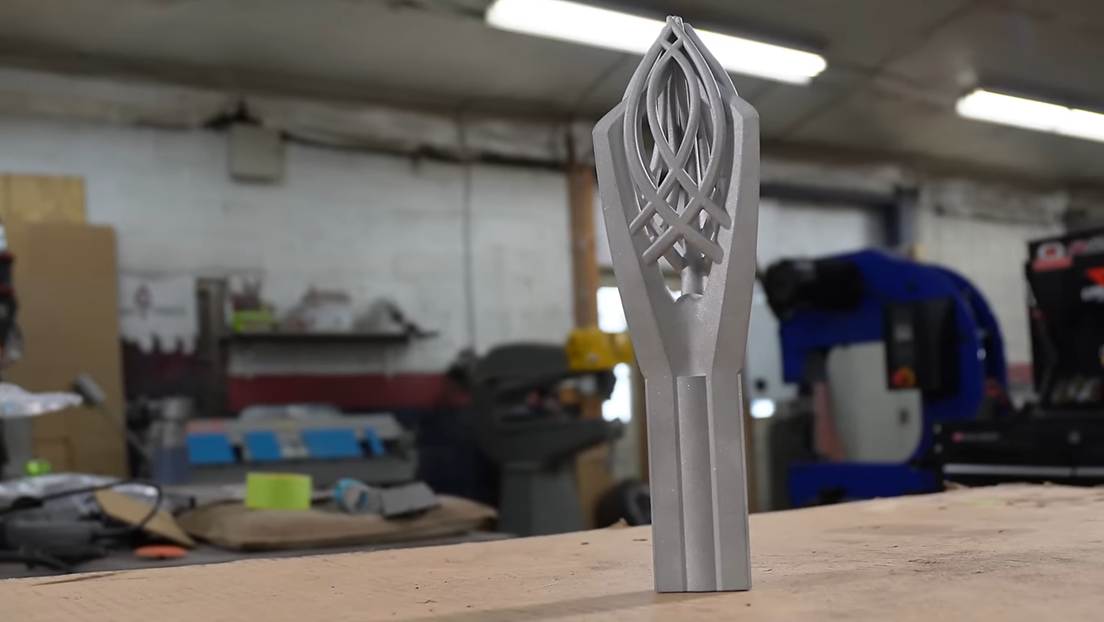
For functional automotive components, 3D printing is often combined with other manufacturing processes.
Metal 3D printing can create complex shapes, while CNC machining or other post-processing methods can be used when tighter dimensional accuracy or surface requirements are needed.
This allows each manufacturing method to be used where it performs best.
RESULT
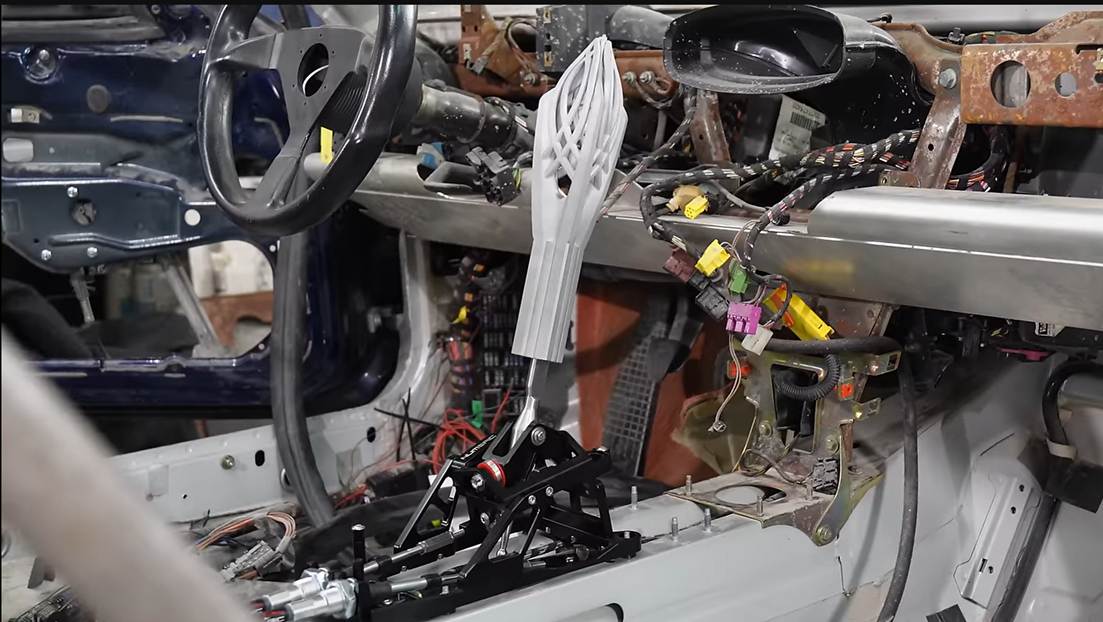
The final aluminum shift knob was successfully produced and installed on the custom vehicle.
The project achieved:
- A customized component matching the vehicle design requirements
- Improved stiffness compared with the original plastic part
- Faster design verification through direct physical testing
- A manufacturing solution suitable for low-volume customized parts
This project demonstrates how metal 3D printing can be used not only for prototypes but also for functional components in engineering development.
For custom automotive projects, the ability to quickly produce and test updated designs helps teams reduce development time and improve final part performance.
NEED A CUSTOM METAL 3D PRINTED PART?
IN3DTEC provides metal 3D printing, CNC machining, and other manufacturing services for functional prototypes and customized components.
Send your CAD file to sales@in3dtec.com to evaluate material and manufacturing options for your next project.
Learn More about this case study: