English
 Deutsch
 Español
 Français
 Italiano
 日本語
日本語 Русский
 中文
中文
Case Study: How Metal 3D Printing Benefits the Bicycle Industry
- Published June 16 2026 - Updated June 16 2026
Neuhaus Metalworks × IN3DTEC
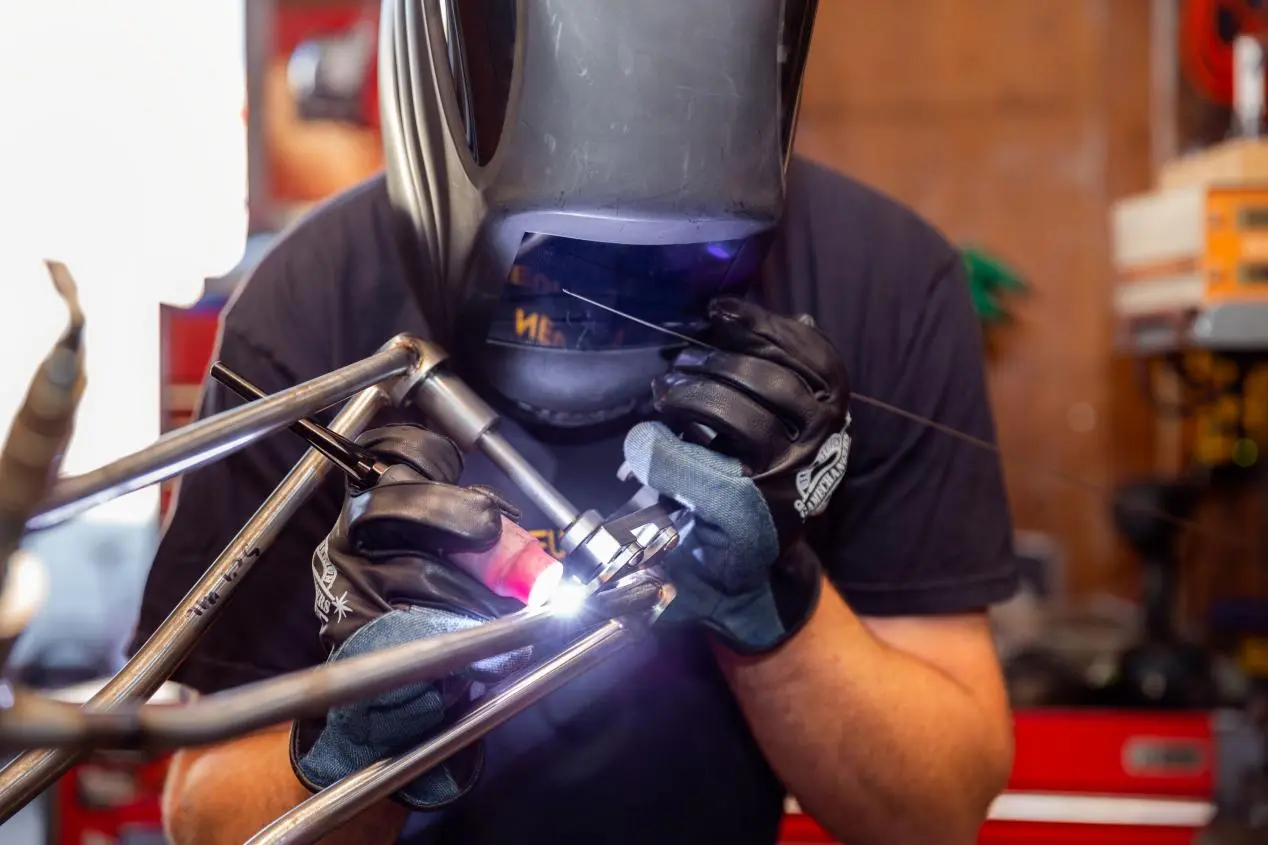
In this case study, we explore how Neuhaus Metalworks partnered with IN3DTEC to integrate metal 3D printing into their frame development process. By shifting from conventional machining constraints to additive manufacturing, the team was able to unlock greater design freedom, improve iteration speed, and optimize both cost and performance across key frame components.
1. CHALLENGE
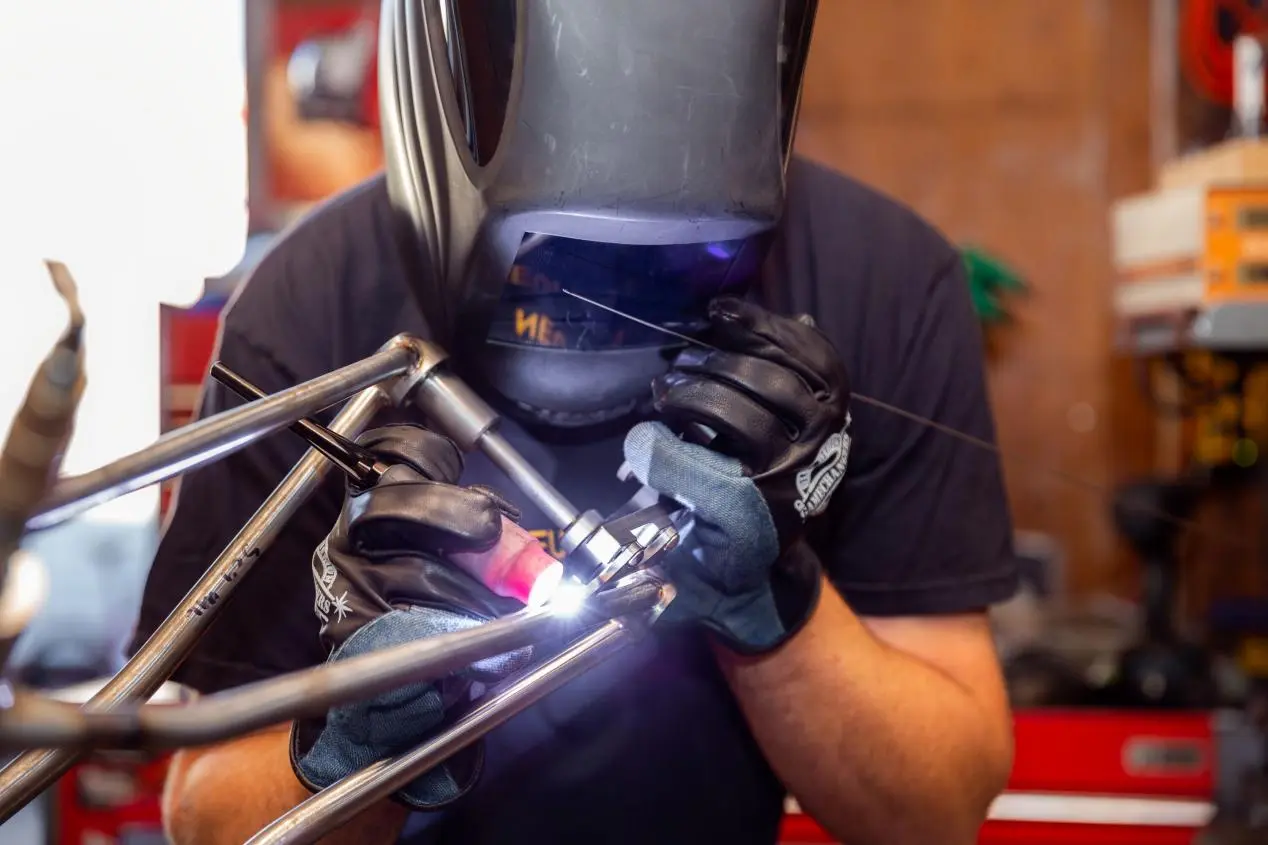
Bicycle frame design operates under a tight set of engineering constraints. Frames need to stay extremely lightweight while maintaining strength and stiffness. In steel applications, wall thickness can reach around 0.5 mm, yet still needs to meet structural and safety requirements.
At the same time, high-end bicycles are increasingly customized. Each rider may require different geometry, fit, and handling characteristics, which adds complexity to both design and production.
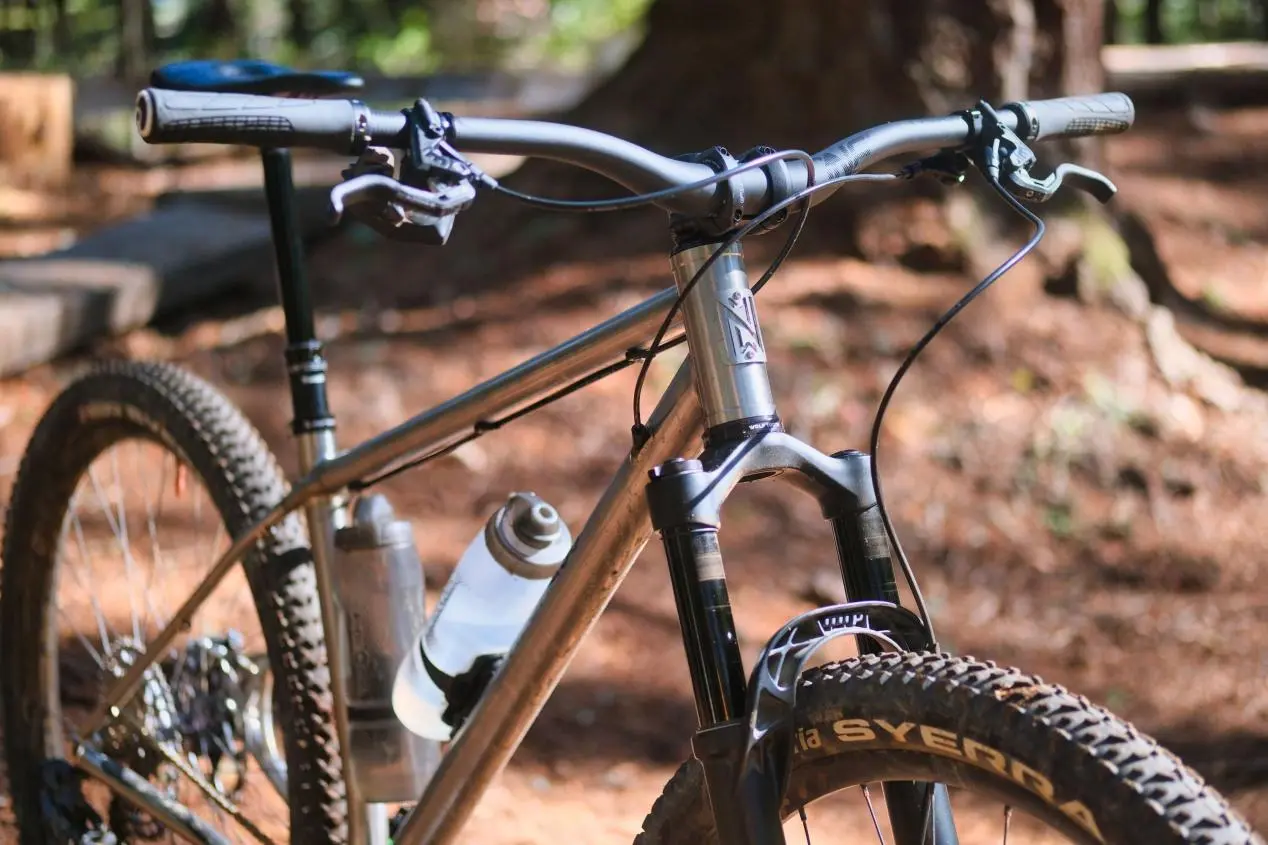
Traditional manufacturing methods such as CNC machining and welded fabrication are generally optimized for fixed geometries and more stable production volumes. When used for low-volume, highly customized parts, they tend to introduce limitations in cost, iteration speed, and geometric freedom.
For Neuhaus Metalworks, a custom bicycle framebuilder based in Marin, California, these constraints were part of their daily development process. Key components such as chainstay yokes and mounting structures were costly to modify, and each design iteration required additional machining time and budget. As a result, continuous design improvement was difficult to scale.
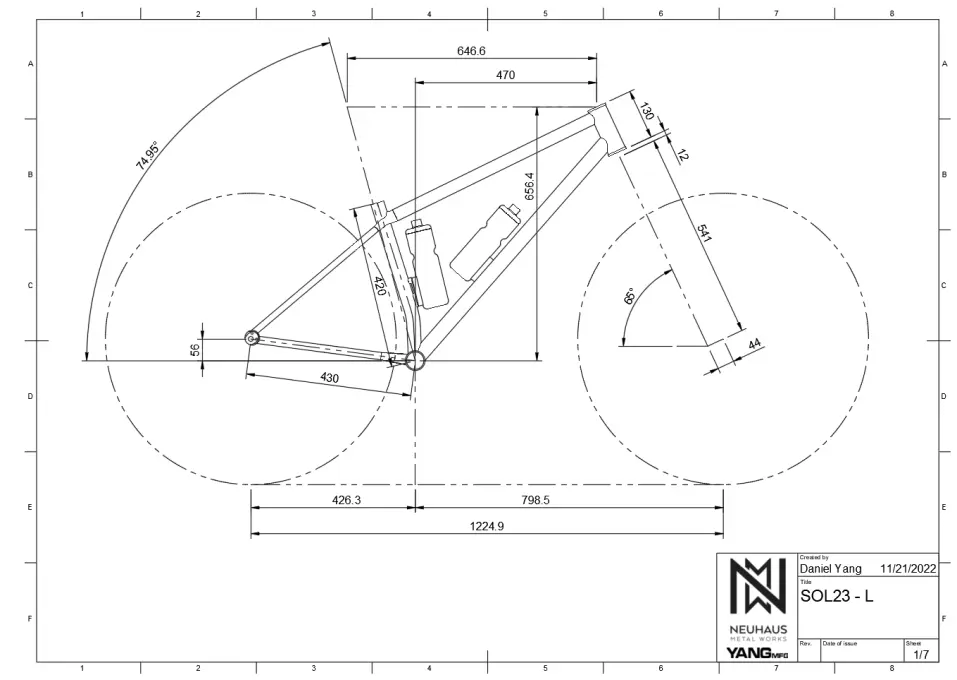
2D drawing of Bicyle, Neuhaus Metalworks
2. SOLUTION
Neuhaus Metalworks introduced metal 3D printing into their workflow through collaboration with IN3DTEC. The goal was to reduce the dependency on machining constraints and allow geometry to be developed more directly from design intent.
Instead of adapting designs around manufacturing limitations, the team began validating functional parts through additive manufacturing and iterative testing.
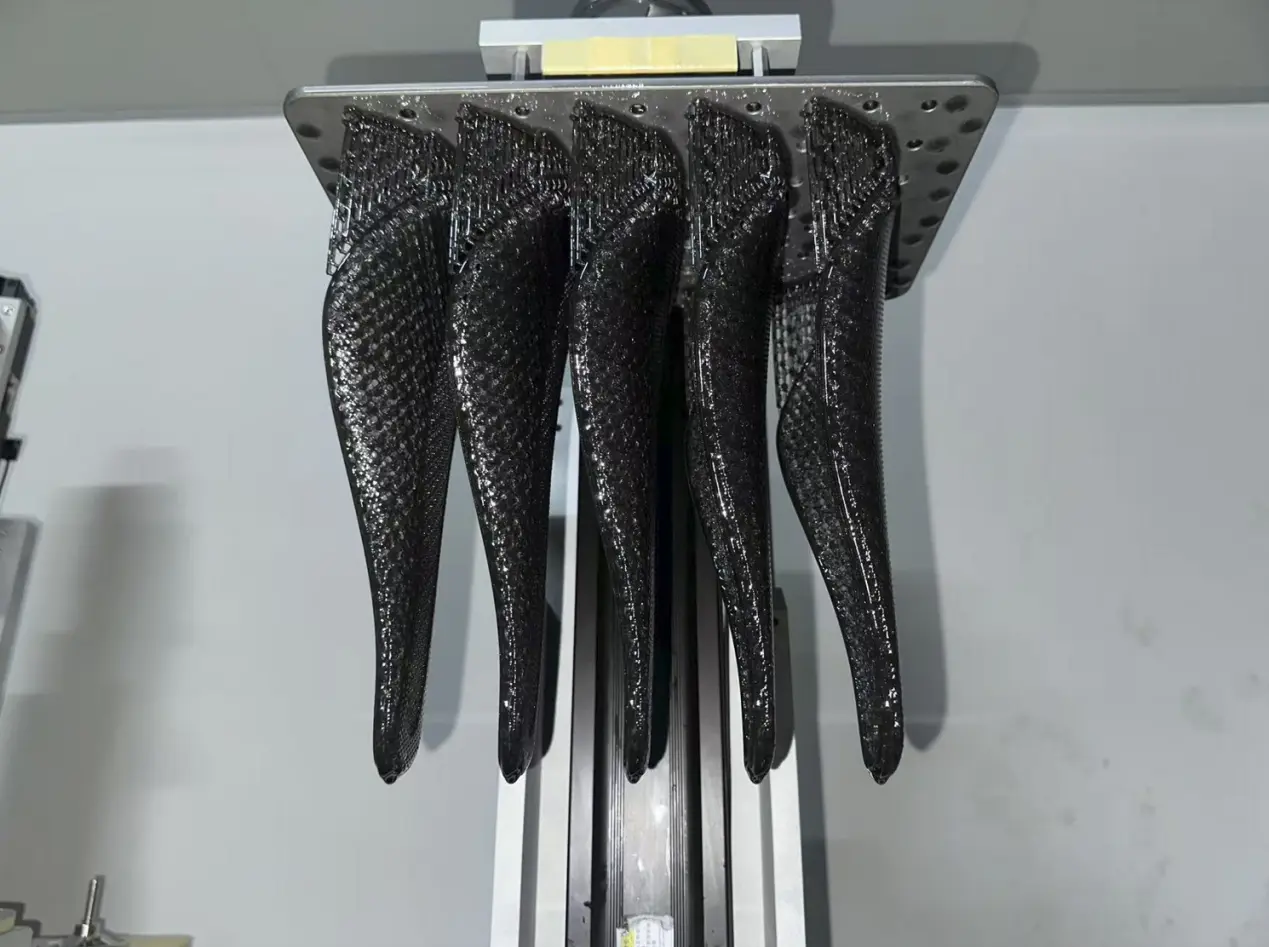
One of the first applications was the chainstay yoke. This component connects key sections of the frame and must maintain precise clearance around the drivetrain and tire system. In conventional CNC production, the part is typically heavier and limited in how freely it can be shaped.
With metal 3D printing, the design was reworked to better match both structural and functional requirements. The printed version achieved lower weight and reduced material cost compared to the CNC alternative. It was also integrated directly into their framebuilding workflow, which helped reduce assembly time during production.
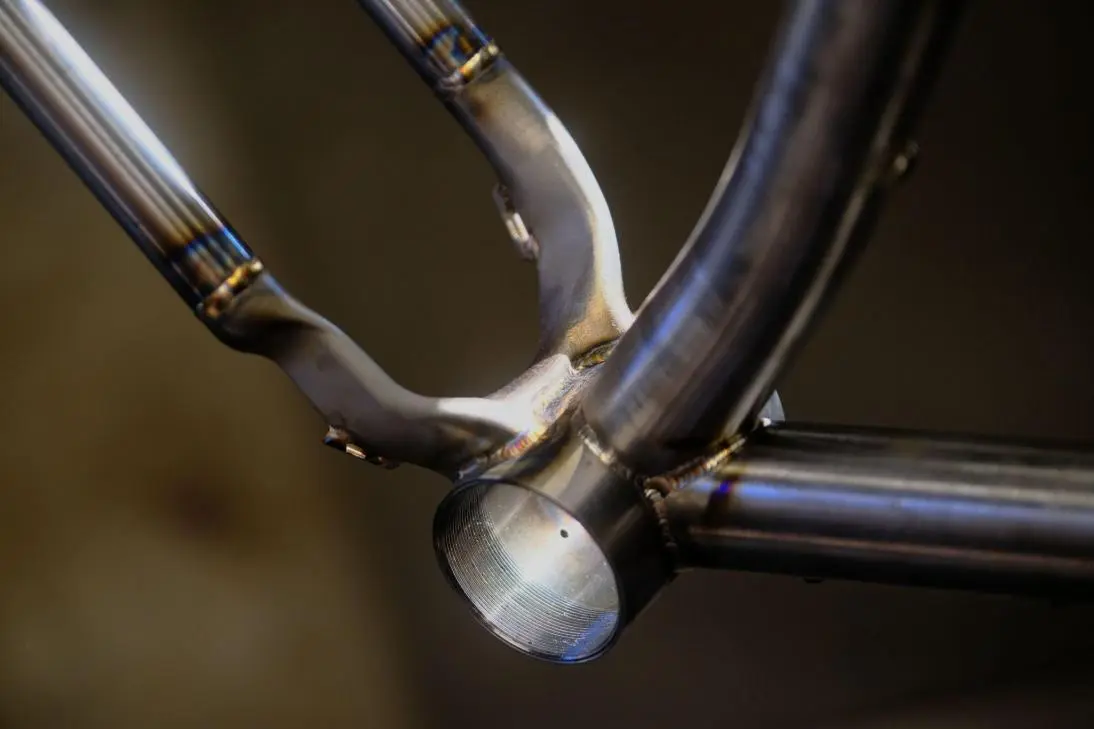
| 3D Printed | CNC Machined | |
| Cost | $80 | $130 |
| Weight | 130g | 240g |
| Design Flexibility | Fully customizable | Fixed geometry |
Another application is the bottle cage bracket. In traditional frame design, mounting a bottle cage on the seat tube can create interference with the seatpost structure, limiting placement options or requiring design compromises.
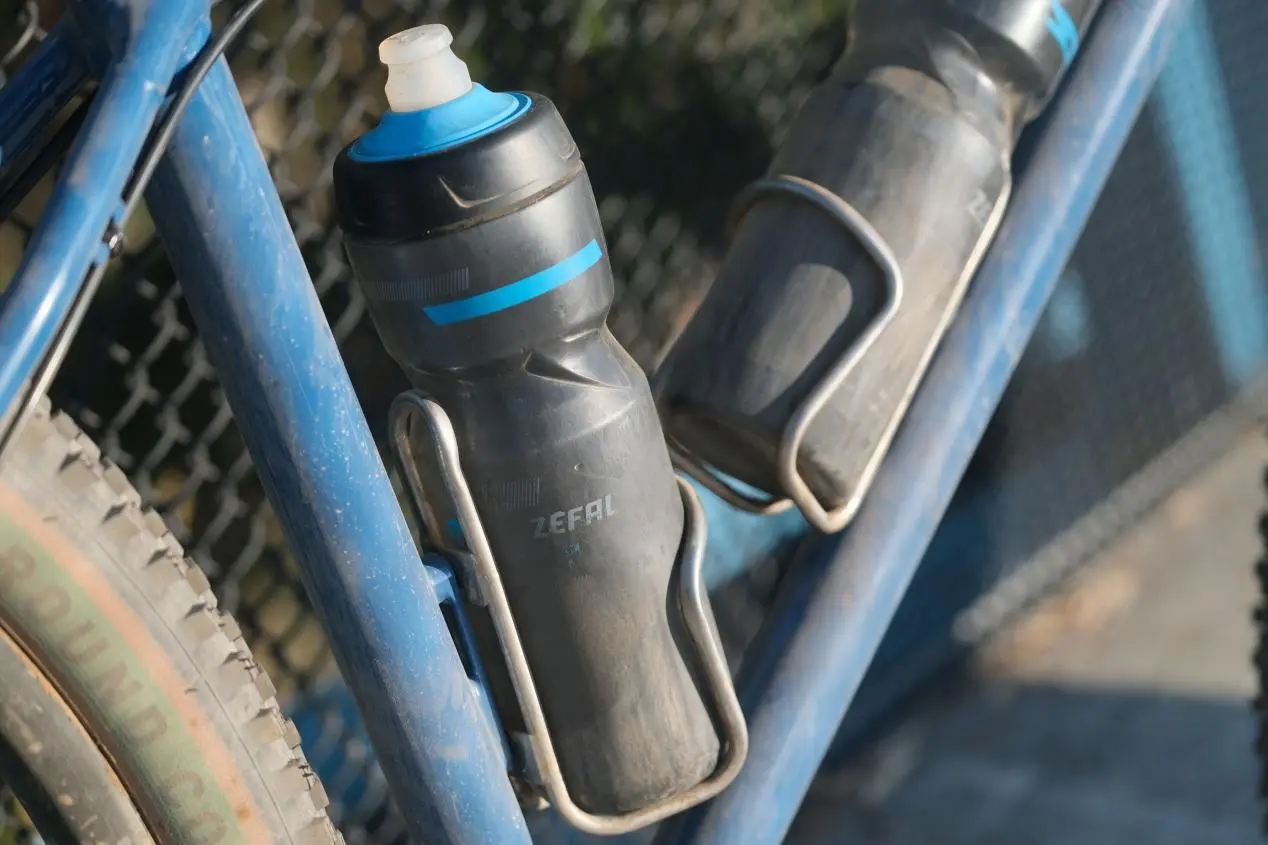
Using metal 3D printing, Neuhaus Metalworks developed a bracket with an angled geometry that avoids this interference while maintaining structural strength. The part reduced cost compared to a CNC-machined version and enabled a geometry that would be difficult to achieve through conventional machining.
Beyond individual components, one of the most important changes came from iteration speed. The team began producing multiple prototype versions within short development cycles. These physical iterations allowed them to refine geometry, fit, and manufacturing logic in parallel with design work, gradually improving production bikes over time.
3. RESULT
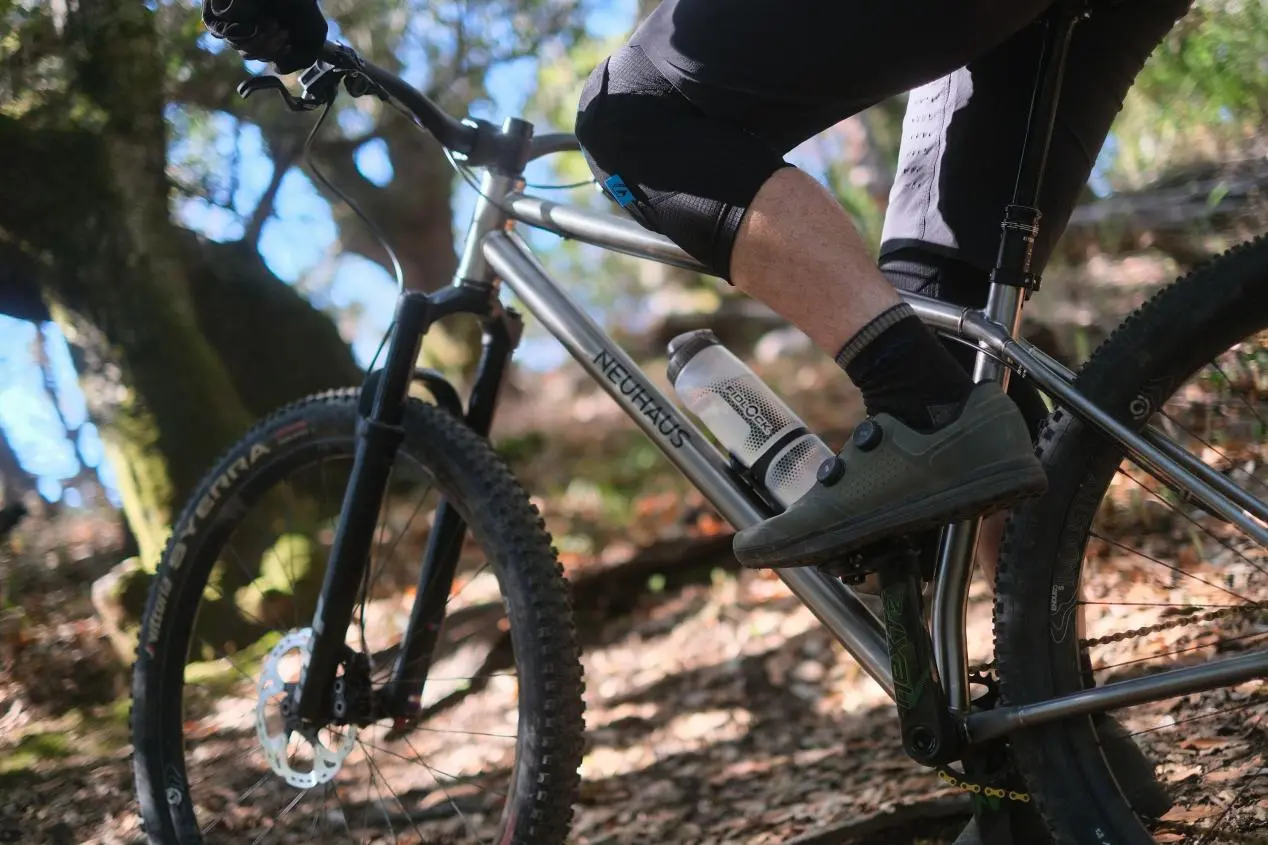
Over time, metal 3D printing became an integral part of Neuhaus Metalworks’ design workflow. Several key components achieved reductions in weight and cost compared to CNC manufacturing, while also improving geometric flexibility.
More importantly, the development process itself became more iterative. Design changes that previously required longer machining lead times could now be tested and adjusted in shorter cycles. This enabled continuous improvement rather than isolated redesign steps.
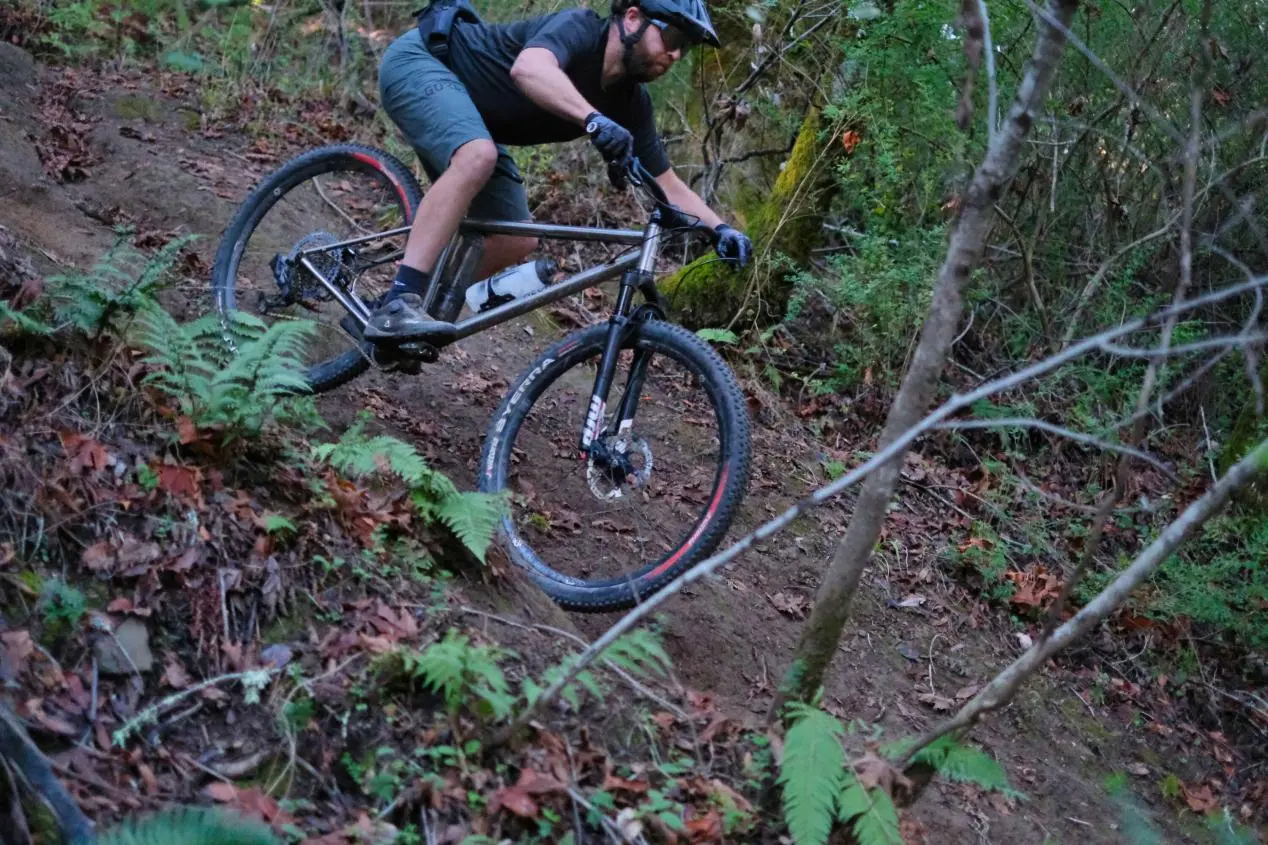
Across several months of development, these incremental iterations led to noticeable improvements in frame design, manufacturability, and engineering refinement.
4. PARTNERSHIP WITH IN3DTEC
The collaboration with IN3DTEC supported this transition by enabling a more flexible development process. The team valued the ability to work on low-volume and experimental parts without strict production constraints.
Fast turnaround times, responsive communication, and support for complex geometries made it easier to test ideas quickly and iterate on designs. Over time, this helped Neuhaus Metalworks build a more agile and design-driven manufacturing workflow.
Email: sales@in3dtec.com
Website: www.in3dtec.com