English
 Deutsch
 Español
 Français
 Italiano
 日本語
日本語 Русский
 中文
中文
How 3D Scanning is Revolutionizing Automotive Restoration
- Published November 06 2025 - Updated September 19 2026
Why 3D Scanning is Revolutionizing Automotive Restoration Practices.
Restoring classic cars to their former glory is a passion for many automotive enthusiasts. However, it often involves considerable difficulties, from finding replacement parts to ensuring precise fits for components that may no longer be manufactured. Enter 3D scanning — a cutting-edge technology that is transforming the world of automotive restoration by bringing precision, efficiency, and creativity to the process.
Bring the Classic Car Back to Life – Restore Vintage and Classic Cars with Passion. Finding the Right Parts for Automotive Restoration and Ensuring the Correct Fit of Individual Automotive Components for Automotive Restoration can be a real challenge for Classic Car Enthusiasts and Professionals. Therefore, in Automotive Restoration, 3D Scanning for Automotive Restoration is increasingly being used for reasons of precision, efficiency and creativity.
This blog post looks at how 3D scanning is currently being used for the restoration of a number of vintage and classic cars. With more and more experts using 3D scanning for automotive restoration work, it is certainly worth a closer look.
WHAT IS 3D SCANNING?
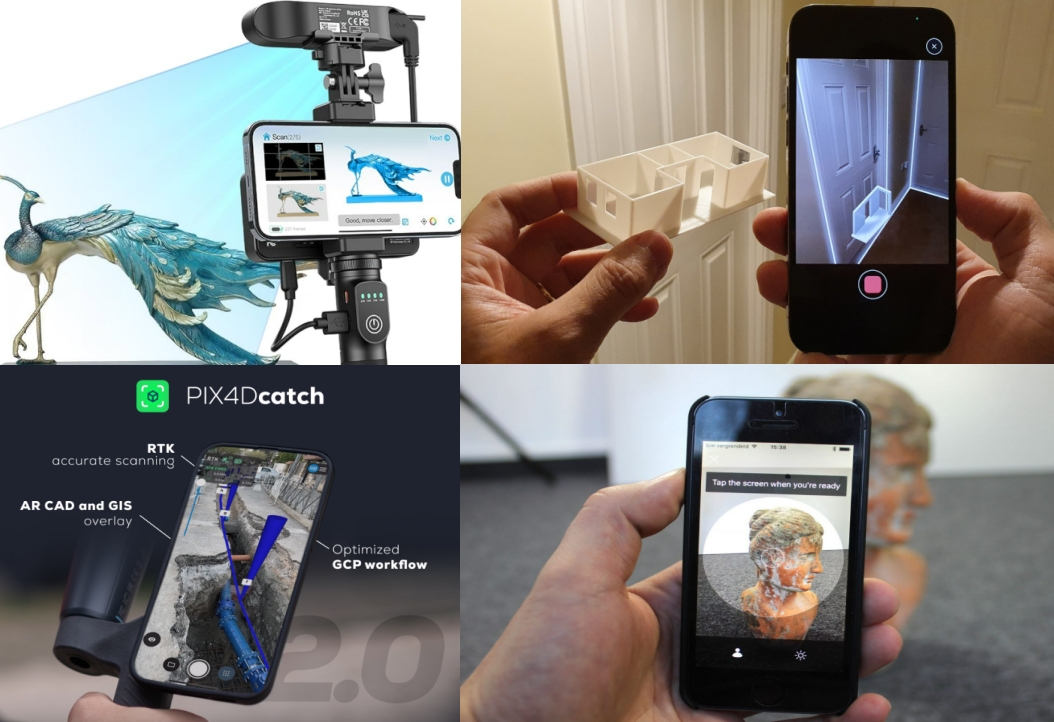
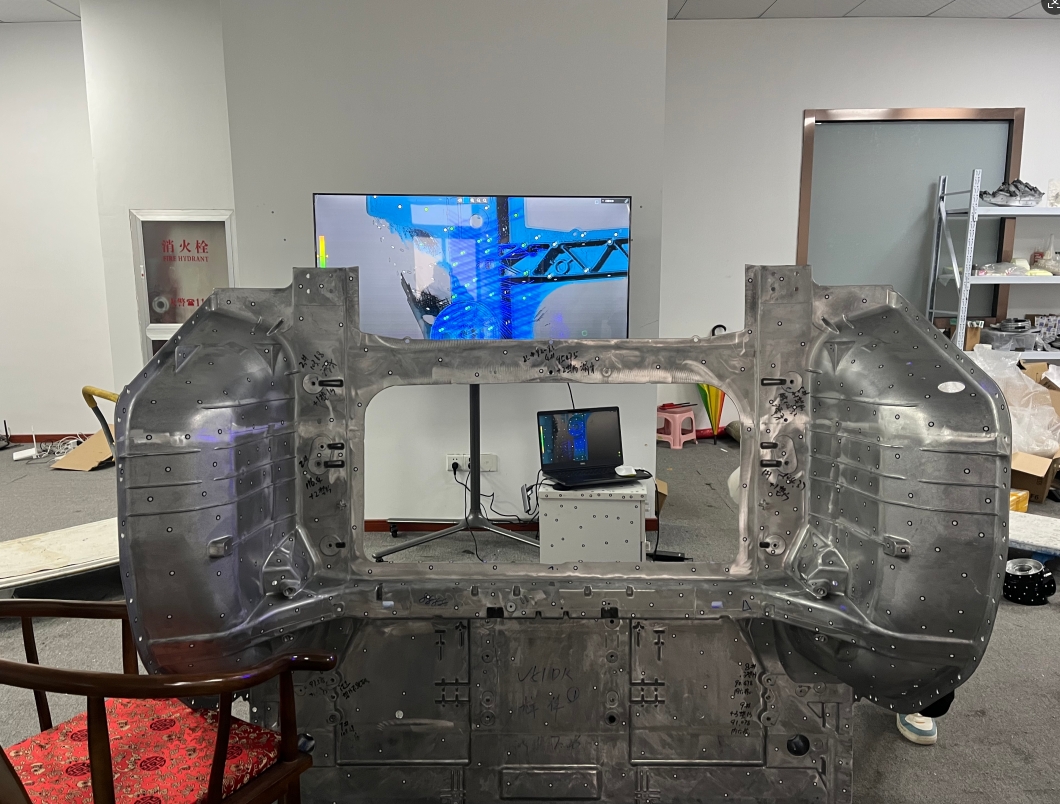
3D scanning can use lasers (read more), structured light or even photogrammetry to make a highly accurate 3D model of any object. This model can then be used for analysis, modification or even for the reproduction of the object that was scanned. To record parts and whole car bodies as well as small components in the automotive restoration 3D scanning is used.
HOW 3D SCANNING BENEFITS AUTOMOTIVE RESTORATION
Reverse Engineering for Hard-to-Find Parts
However, the 3D model of the part can also be repaired virtually and then reproduced by means of CNC machining, 3D printing or even by casting. Reverse engineering parts in this way is significantly faster and more cost effective than making them by traditional manufacturing methods.
Precise Fit and Alignment
Worked examples to the above sub headings on restoring classic cars are shown in the example below.
3D scanning provides restoration professionals with 3D models of parts, allowing for parts to be aligned and checked for accurate fit prior to being finished. Additionally, scanned parts can also be checked for misalignment allowing for corrections to be made prior to completion.
The data scanned can be compared against the newly produced part to check for any misalignment prior to its dispatch. The part can be reworked or re-produced until it is accurate to the required tolerance.
Recreating Missing Components
3D Scanning can also reverse-engineer missing parts for a classic car by scanning the matching part from another identical classic car, or even from an old photograph of the required car part. The resulting 3D digital model can then be used to produce an exact replica of the missing part.
Streamlining Bodywork Repairs
In the event of dented, rusty or deformed car parts having been scanned, the resulting 3D data facilitates an accurate assessment of any damage. The specialist uses this data to create templates for parts made of sheet metal as well as for the optimal formulation and implementation of repairs.
• Create templates for sheet metal fabrication.
• Plan and execute repairs with greater precision.
• Save time compared to manual measurements and adjustments.
Preserving History with Digital Archives
3D scanning and 3D printing can be used to create detailed archives of cars from previous centuries. This makes it possible to do exact restoration, and also for sharing of classic cars between car enthusiasts, museums and others around the world as accurate virtual models of original cars and their parts.
• Serve as references for future restorations.
• These can also be used by car enthusiasts, as well as by museums, to show off exact virtual models of their classic cars.
• Contribute to maintaining historical accuracy in the automotive world.
Enhanced Collaboration with Modern Tools
Projects are worked on by designers, machinists and fabricators. All of them use the same 3D data to check and modify their work. In this way errors are avoided and work can be done in a proper and efficient manner.
REAL-WORLD APPLICATIONS OF 3D SCANNING IN AUTOMOTIVE RESTORATION
Classic Car Replicas: Classic Car Replicas uses 3D scanning to create highly accurate digital models of classic cars to use as blueprints for replicas of classic cars.
Racing Legends Revived: Historic race cars with unique bodywork and individual components are restored to their original values using 3D scanning and digital modeling.
Customized Restoration: Classic cars are updated with the most modern components, whilst retaining the essence of the car’s original design.
CHALLENGES AND CONSIDERATIONS
However, there are also some limitations of 3D scanning as well as some special considerations that need to be taken into account.
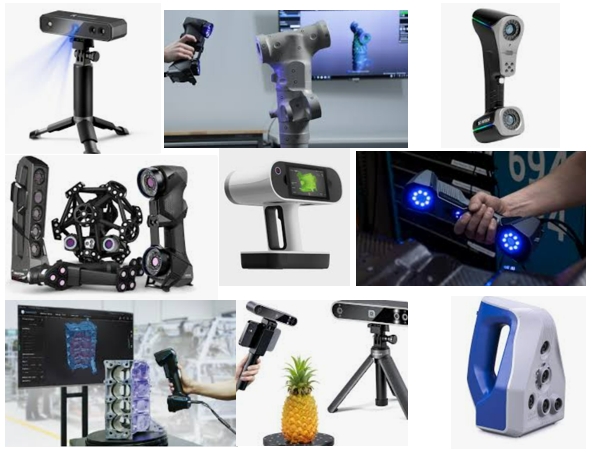
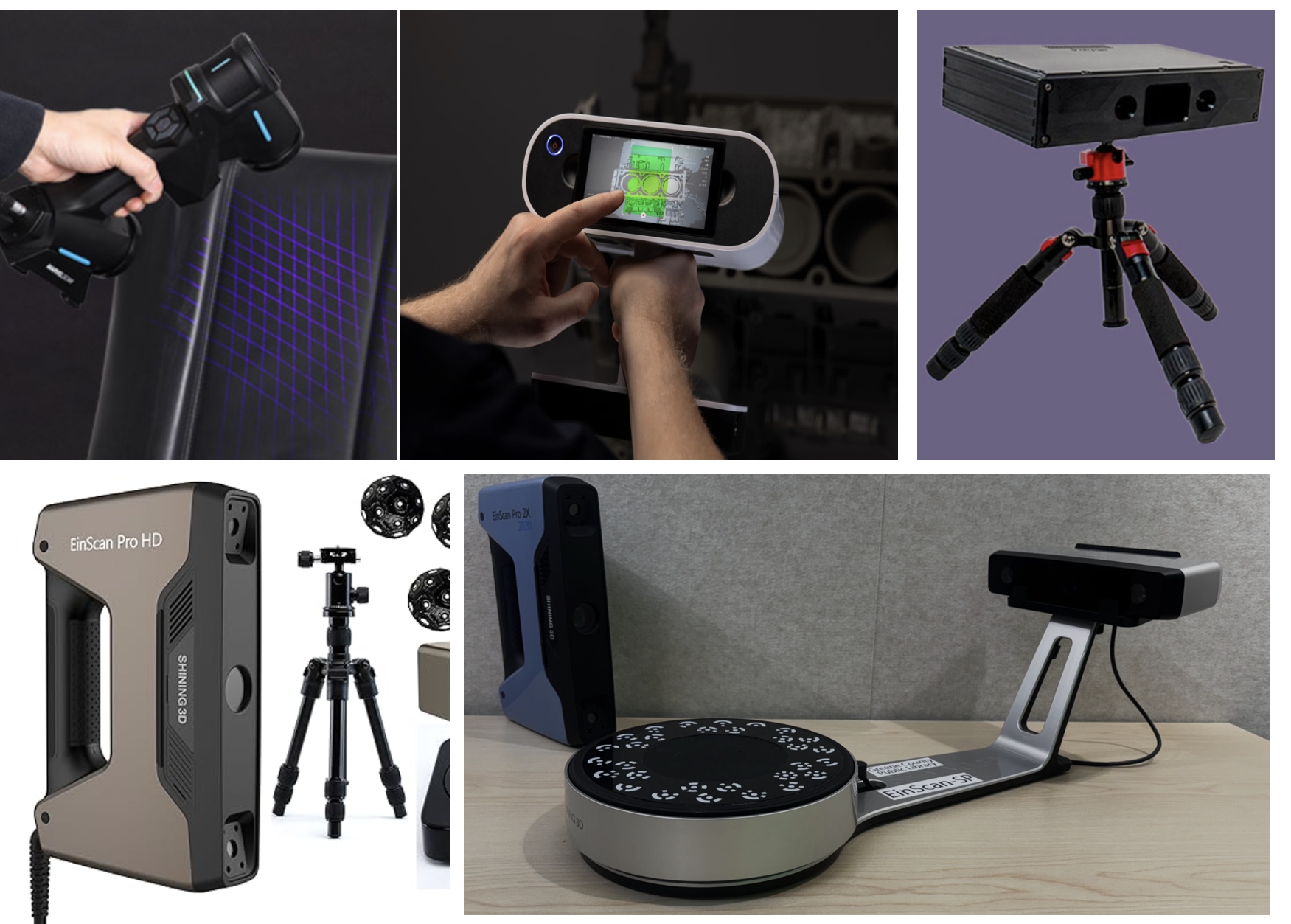
Cost of Equipment: High-precision scanners can be expensive to purchase, but the cost is decreasing as technology advances. A list of the Top 10 3D Scanners you should know about is provided below.
There is a skill to using 3D scanning and modeling in automotive restoration. Users of this technology will need to be up to date with the current software packages in order to complete projects in a timely manner.
Time Required to Process Scanned Data: The time it takes to convert raw data from a 3D scan into a model for manufacturing, typically using software related to 3D scanning.
CONCLUSION
3D scanning is more than just a tool for automotive restoration. It is a connection to the past and the future. We can use it to reproduce missing parts, to repair damaged bodywork and to share the digital archives of our timeless classics with others.
3D scanning in automotive restoration can open many doors. Need a missing part? 3D scanning can help. Need to repair a damaged part? 3D scanning can help with that too. Need to create a digital archive of your classic car? 3D scanning can help you with that as well.