English
 Deutsch
 Español
 Français
 Italiano
 日本語
日本語 Русский
 中文
中文
Common Materials Used for Injection Molds
- Published November 06 2025 - Updated September 18 2026
A guide to selecting the optimal material for your injection molding project.
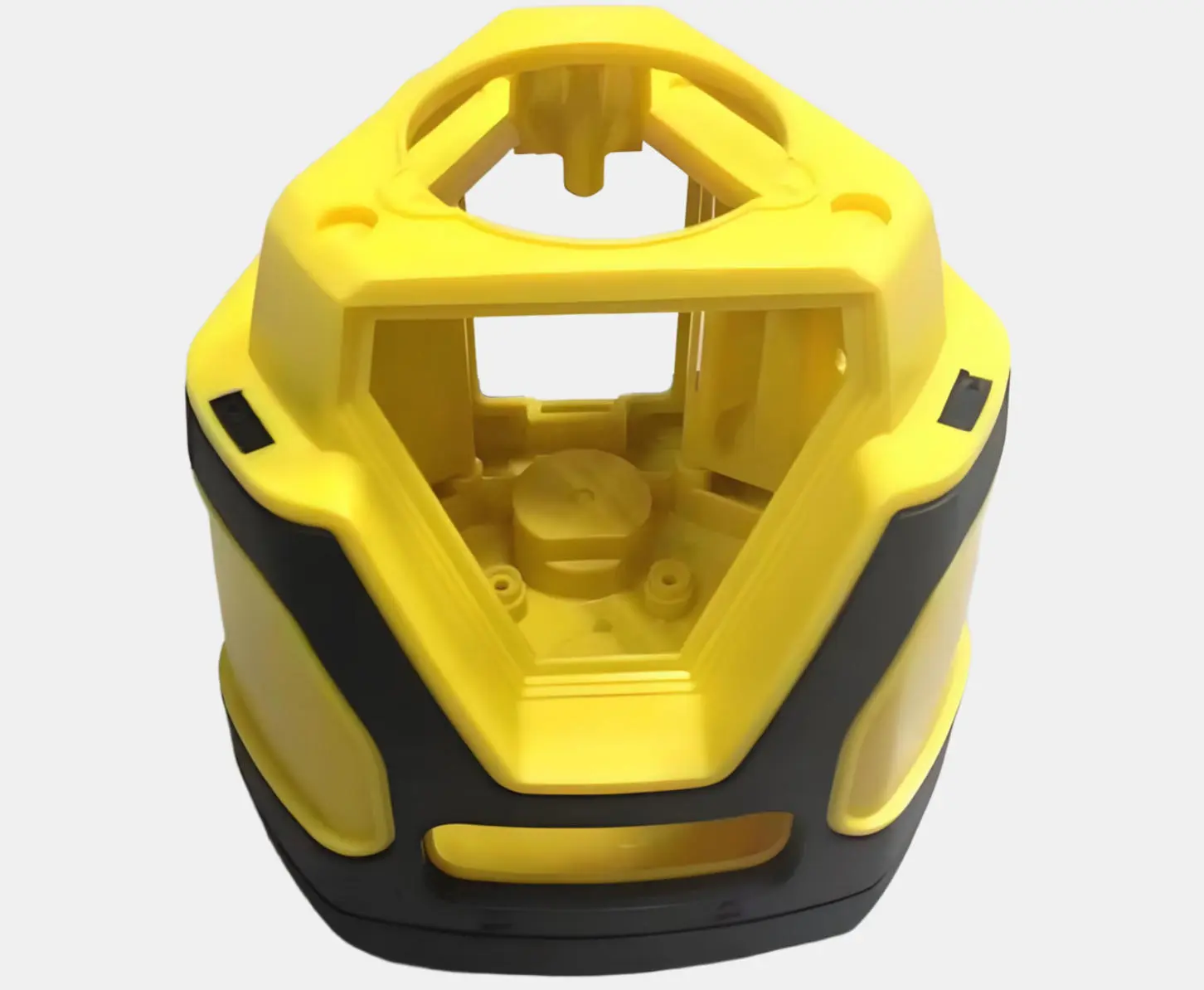
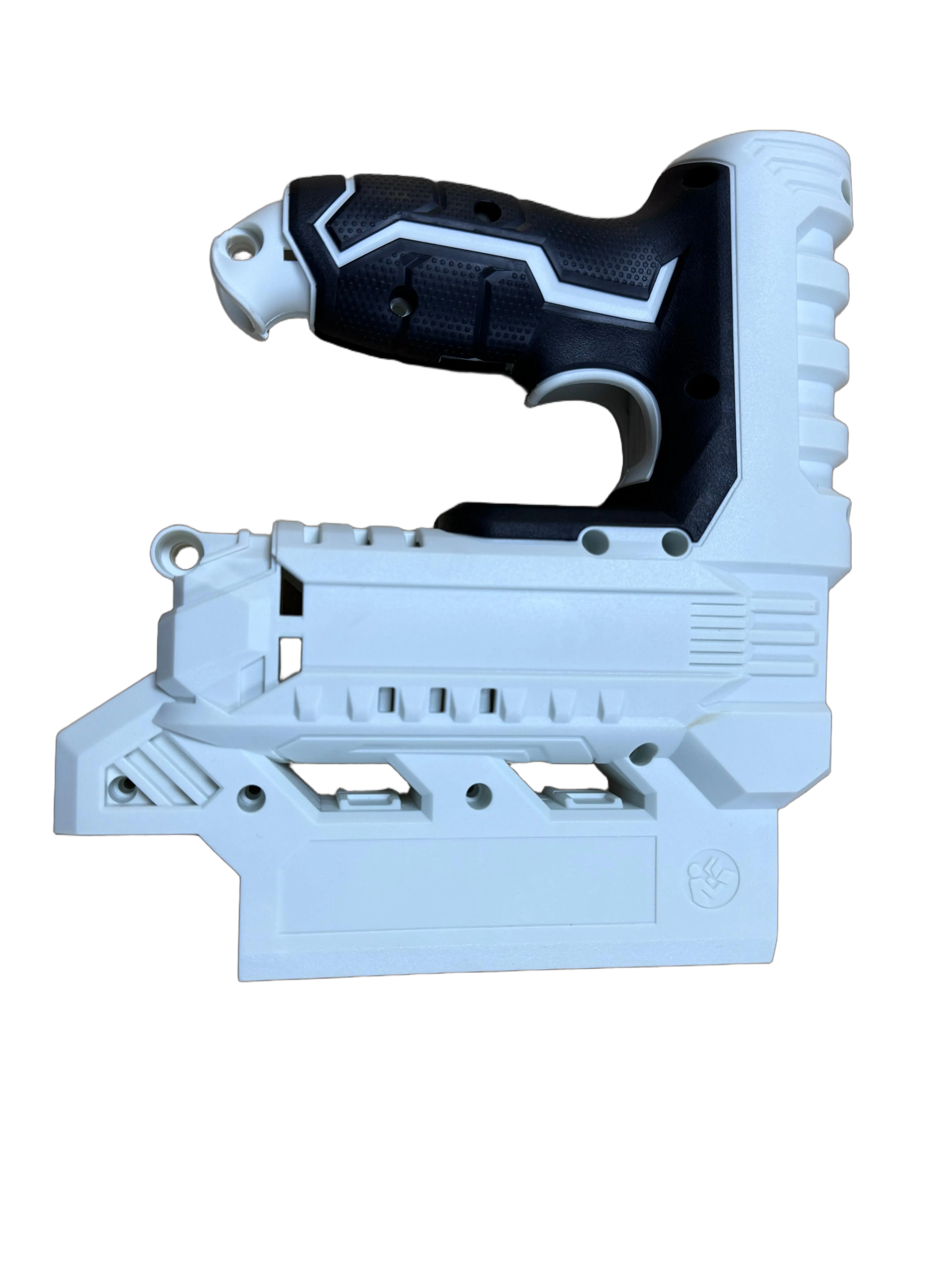
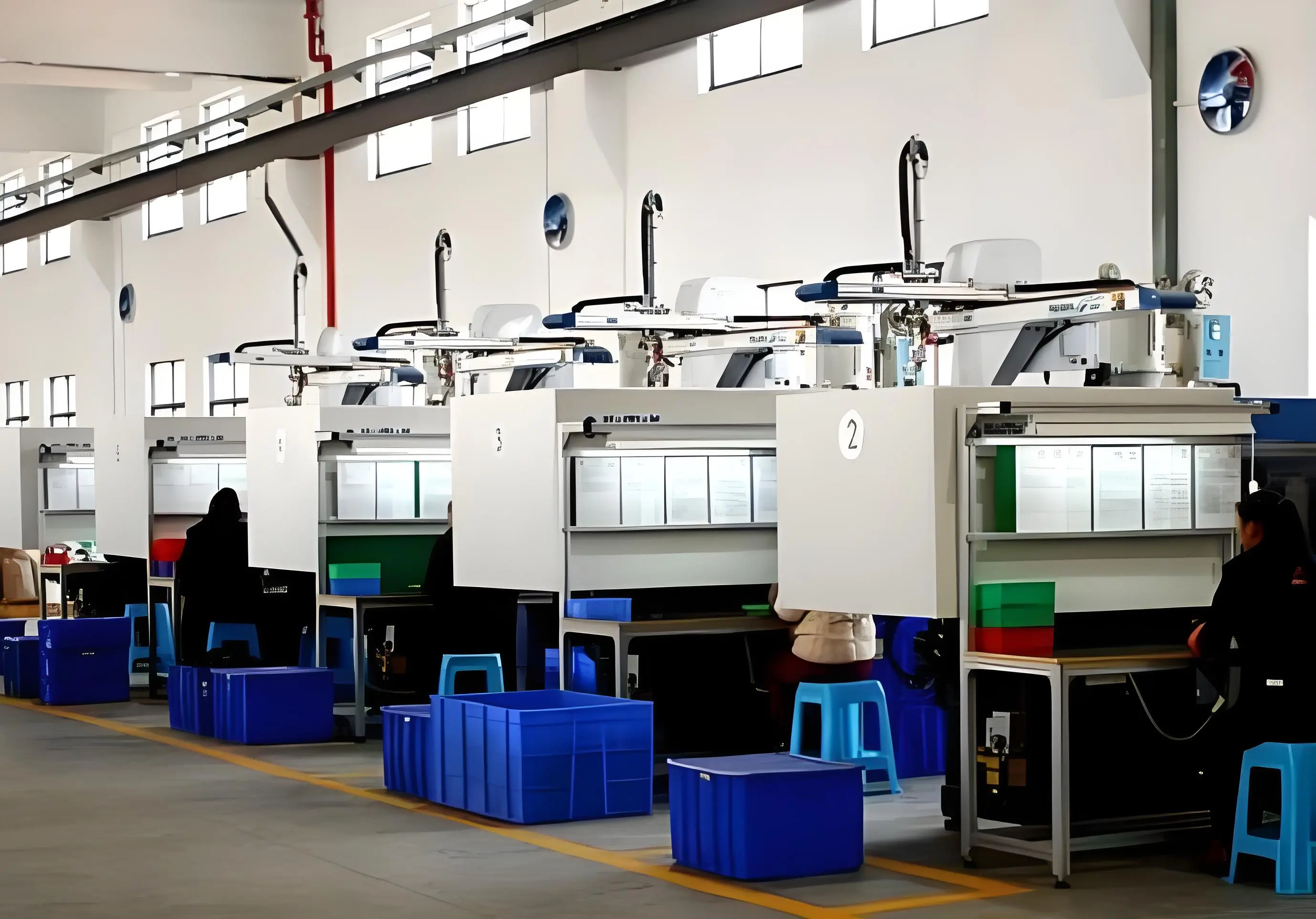
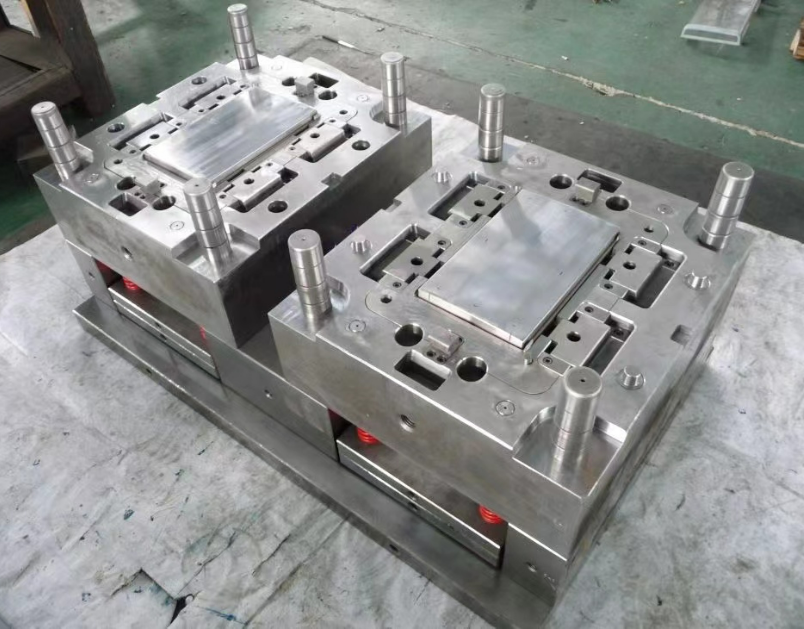
In the manufacturing and plastics production industries, injection molding plays an important role in producing a wide variety of products we use every day. Choosing the right material for the mold is regarded as a key factor to successful injection molding. These molds are responsible for shaping molten plastic into the desired product, so material selection is critical to getting the wanted results.
In this blog, we will explore commonly used materials in injection molds.
1. TRADITIONAL INJECTION MOLD MATERIALS
The most commonly used materials for injection molds are high-quality cold work die steel, hot work die steel, and alloy tool steel. These materials have high hardness, good machinability, and are wear-resistant and impact-resistant, making them great for mass production.
Compared to steel, aluminum alloy injection molds are less expensive, lighter, and have good thermal conductivity. They are good for low volume production, rapid mold development, and prototyping. However, aluminum alloys have relatively low hardness and are easily damaged.
Copper has a longer service life than steel, better corrosion resistance, and is suitable for processing products with high precision requirements.
2. NEW TYPES OF INJECTION MOLD MATERIALS
Titanium alloy has extremely high strength, hardness, and wear resistance. It also has good corrosion resistance and thermal conductivity. It delivers considerable value in manufacturing high-precision, large-scale products.
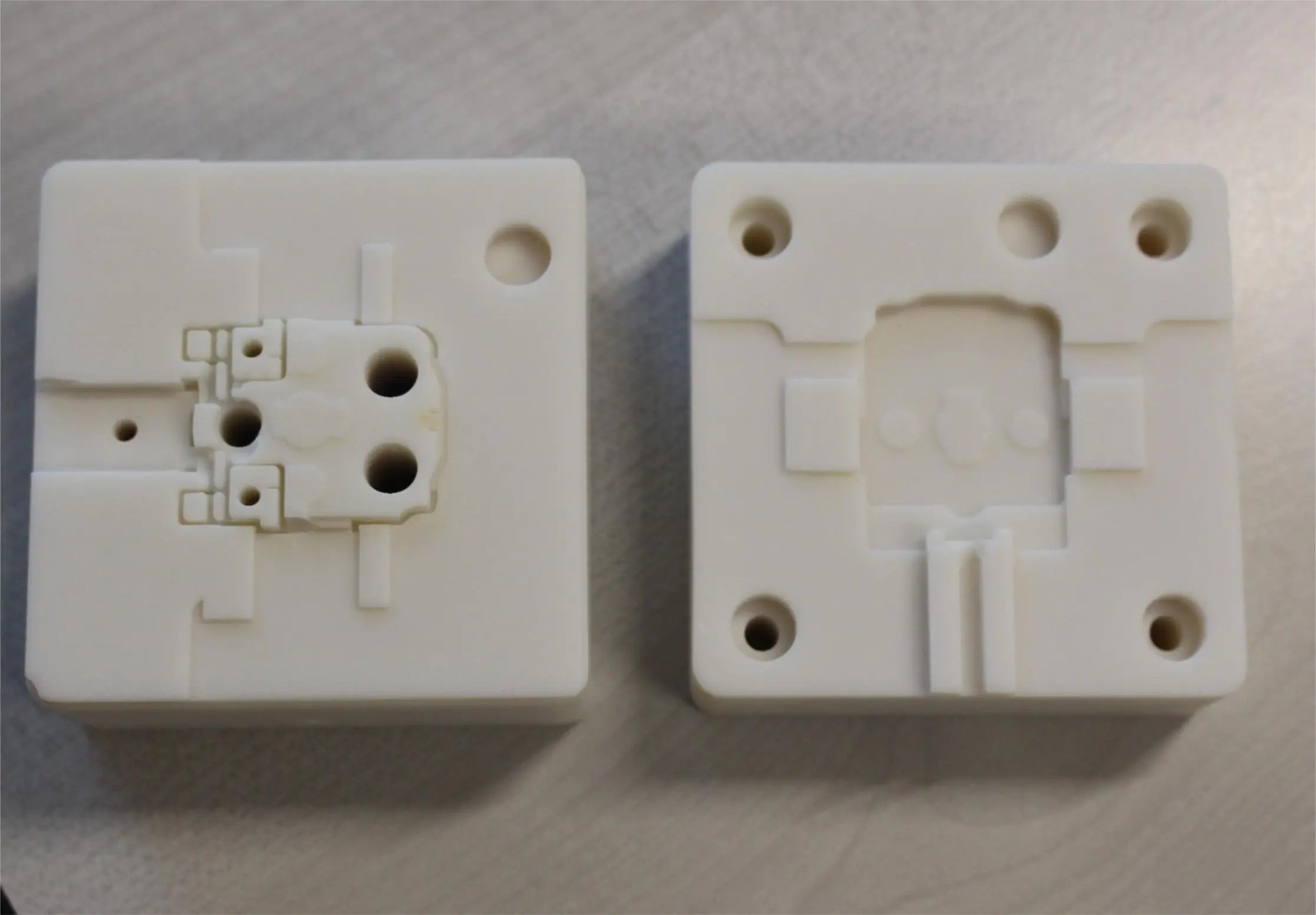
Ceramic injection molds have extremely high hardness, high temperature resistance, deformation resistance, corrosion resistance, and a long service life. They are great for manufacturing products that withstand high temperatures and ultra-high pressures.
3. HOW TO SELECT THE RIGHT MATERIAL?
In real applications, the choosing of injection mold materials should be based on the specific manufacturing environment and workpiece requirements. Besides, factors such as product size, material and precision requirements, quantity and production cycle, mold cost and production efficiency, and temperature and pressure in the production environment must also be considered.