English
 Deutsch
 Español
 Français
 Italiano
 日本語
日本語 Русский
 中文
中文
Understanding the Difference Between Insert Molding and Overmolding
- Published November 06 2025 - Updated August 27 2026
A Guide to Choosing the Right Process for Structural Strength or Ergonomic Comfort.
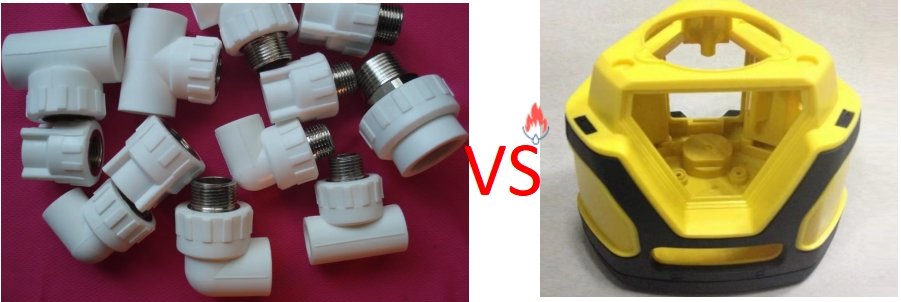
Components made of plastic by means of injection molding are produced in great numbers and in large quantities. There are a number of multi-material processes which can be combined with injection molding, the two most common being insert molding and overmolding. Both terms are frequently used and are equally well established in industry. However, the terms in question are used to describe two very different processes. In the following article the two processes are to be presented and described in more detail, the individual advantages of both processes are to be outlined.
1. WHAT IS INSERT MOLDING?
Insert molding is a type of multi-material molding where an insert of metal or another type of plastic part is placed into a mold prior to the injection of the molten material. The insert is then encased in the surrounding material. The material of the insert and the material of the part being molded can have completely different properties.
Typically the metal part of the insert will have structural properties, whereas the molded part will be of a light weight, low cost plastic that is also resistant to corrosion, etc. This allows for the creation of a part that has all of the necessary properties to function properly in a given application.
2. ADVANTAGES OF INSERT MOLDING
Insert molding injection also has a number of different advantages that can make it a suitable manufacturing process for different industries:
1. Enhanced Component Strength: By combining different materials, insert molding injection can create parts with improved structural integrity and mechanical strength. The insert provides reinforcement, making the final product more robust.
2. Design Flexibility: Insert molding also offers design flexibility when manufacturing components. For example, inserts can be designed to include metal parts or even functional parts and components within a single part. Often components with undercuts or complex geometries can be difficult to produce with traditional molding processes. Insert molding enables the user to design such parts and manufacture them cost effectively.
3. Greater Design Complexity: Insert molding injection also can produce parts with undercuts and other features that typically would not be possible with simple injection molding. So while regular injection molded parts can be very creative, insert mold parts can take on even greater complexity of design.
3. APPLICATIONS OF INSERT MOLDING
Insert molding is also used in the Automotive Industry, the Electronics and Electrical Industry, the Medical and Healthcare Devices Industry, the Aerospace and Defense Industry, the Industrial Equipment and Machinery Industry and the Consumer Products Industry, as well as the Telecommunications Industry.
1. Automotive Industry: Connectors, electrical contacts, sensors, and interior parts are typical for the automotive industry.
2. Electronics and Electrical Industry: As with the production of connectors for the Automotive Industry the Insert Molding of connectors for the Electronics and Electrical Industry is of a similar nature, sometimes being quite complex in design. Other components that are frequently produced by the Insert Molding process are switches, relays and component housings. Insert Molding is also used for the production of complex Printed Circuit Board (PCB) assemblies where the insertion of individual components such as resistors, capacitors, inductors etc into the PCB is a specialist task.
3. Medical and Healthcare Devices: A number of different types of medical devices can be made using the insert molding injection process. These include surgical instruments and other related devices and equipment. Also, a number of different types of catheters are made using insert molding injection, including some that are used for the administration of drugs. Furthermore, a number of different types of drug delivery systems are also made using the insert molding process.
4. Aerospace and Defense: Also the aerospace and defense industry has recently started to use insert molding for producing of parts like connectors, switches, avionics parts as well as interior parts like armrests, other trim parts etc.
5. Industrial Equipment and Machinery: By insert molding components for industrial equipment and machines, it is possible to combine a metal part with a plastic part. This can for example be achieved by molding a threaded insert, bush or even a complete gear into the mold.
6. Consumer Products: Insert molding is used to make many different household appliances, personal care products and tools. These could be functional components, ergonomic parts, or even certain design aspects that are typically created from other types of materials.
7. Telecommunications: Insert molding injection is also used in the production of telecommunications components such as connectors, cable assemblies, and small handheld devices.
4. WHAT IS OVERMOLDING?
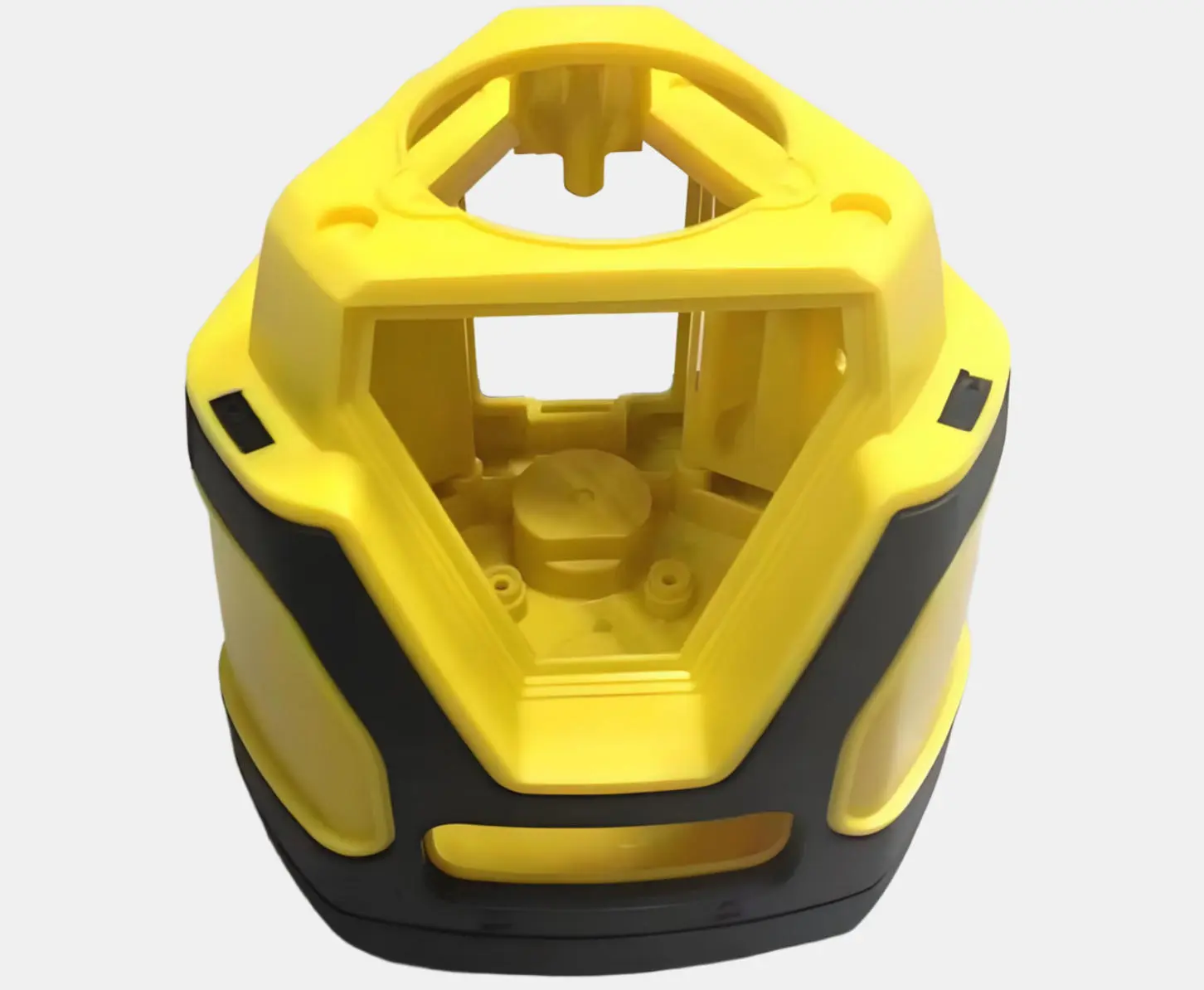
Overmolding injection molding is an alternative molding process where a second material (often softer / different colored plastic) is overmolded onto an existing substrate part. That part is often a rigid plastic and serves as the base for the final product. The two parts become one solid unit once they have been successfully overmolded.
5. ADVANTAGES OF INJECTION OVERMOLDING
There are also some advantages of injection overmolding:
1. A component with a better Grip / Ergonomics: The most typical application for injection overmolding is adding a soft touch / rubberized grip to a product. This component is more comfortable to hold and it won’t slip from the users’ hands. Overmolding is a very typical production method for making of consumer goods, medical equipment and tools.
2. Aesthetics: Overmolding injection molding of parts creates very attractive products. By using different colors or textures, or even by printing a logo on the product, the recognition of the brand and the market value of the product are increased.
3. Damping of Vibration and Noise: Overmolding injection molding enables damping of vibration and noise in components by combining different materials. Typical applications are found in automotive components and handheld devices.
6. APPLICATIONS OF OVERMOLDING INJECTION MOLDING
Overmolding injection molding is also used in many industries and for various applications in which improved grip and Aesthetic appeal and also vibration dampening and noise reduction are desired.
1. Consumer Products: Overmolding of tool handles, grips and other components of various electronic devices as well as their housings.
2. Medical Devices: Injection overmolding is used in the manufacture of a variety of medical devices. These products can benefit from having soft-touch grips, ergonomic handles or other components that have comfortable contact points.
3. The Automotive Industry: Overmolding is also widely used in the automotive industry to make a number of components such as the steering wheel, gearshift knob and other interior parts of a vehicle.
4. Industrial Equipment and Tools: Overmolding injection molding is used in many industrial applications in order to improve grip and control of tools and other equipment. Overmolding can also be used to improve vibration damping and to extend the life of a product.
5. Electronics and Appliances: Injection overmolding is also used in production of electronic goods and home appliances. Overmolding can be used for production of protective covers and shock-absorbing bumpers as well as user-friendly interfaces for various domestic appliances.
CONCLUSION
We hope this guide has provided ample information to identify the two processes of injection molding: Insert Molding and Overmolding. Both are excellent methods for creating components, with Insert Molding being perfect for creating strong, flexible components containing many features. Overmolding on the other hand is ideal for creating components that have grip, fantastic aesthetics and vibration dampening.
By understanding the difference between the two processes, you will be able to make an informed decision on the best process for your product. With technology advancing at the pace it is at the moment, it is crucial to keep up to date with the latest techniques that are available to aid in the production of high quality, cost effective components. To keep up to date with the latest information, news and design tips sign up to our newsletter.
Related Articles: