English
 Deutsch
 Español
 Français
 Italiano
 日本語
 Русский
 中文

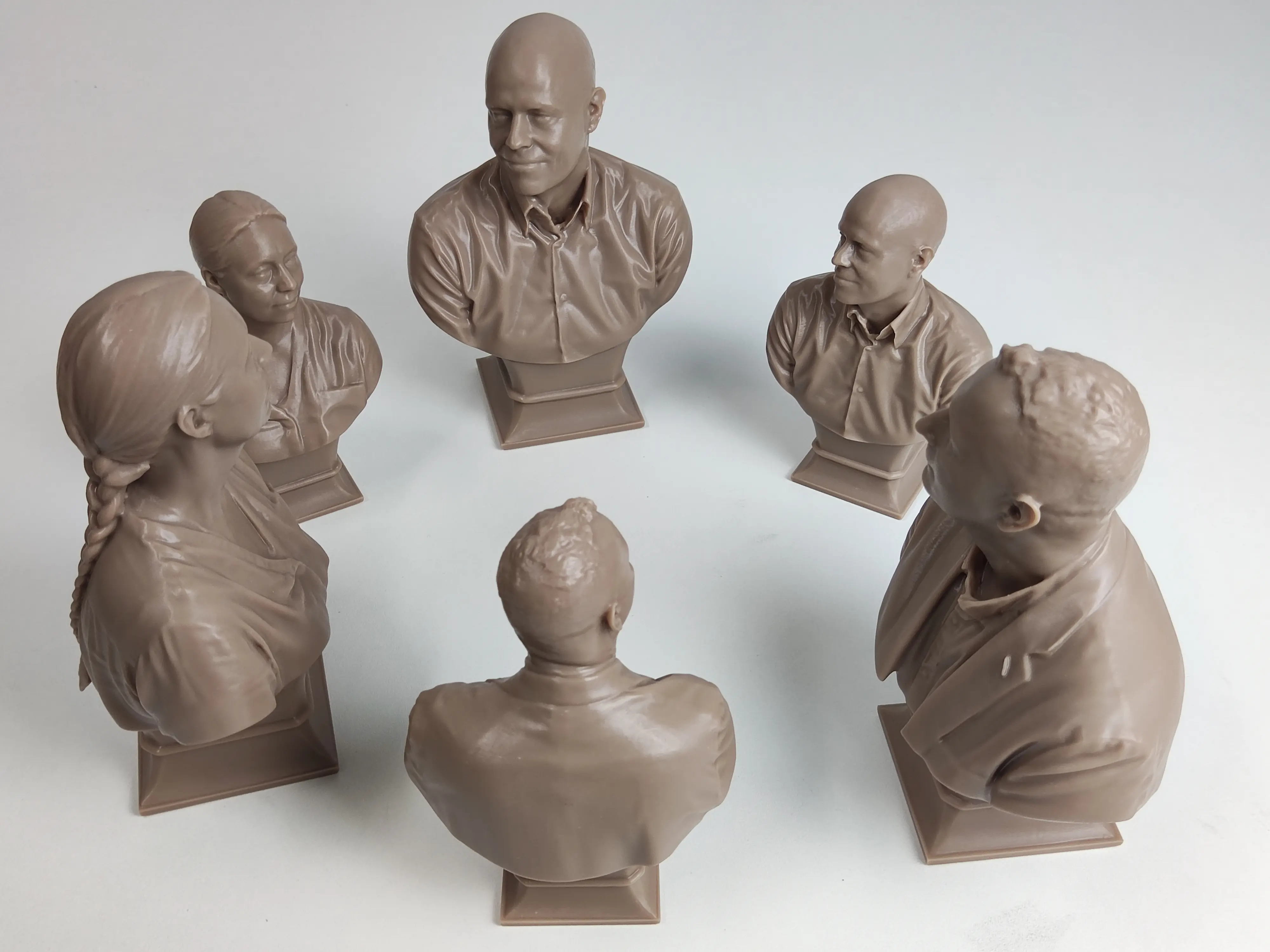
Between FDM SLA and SLS 3D Printing, Which One to Choose?
- Published October 27 2026 - Updated October 27 2026
Comparing FDM, SLA, and SLS Materials
The choice of proper 3D printing technology can affect the quality of your product, the cost of the development process, and the production schedule. Still, every project has its own demands, starting from simple testing of the model and ending with complex elements that need to be able to withstand daily usage.
There are a few technologies used for the creation of real-life parts from digital models, including Fused Deposition Modeling (FDM), Stereolithography (SLA), and Selective Laser Sintering (SLS). In addition, IN3DTEC is a metal 3D printing service provider and helps businesses test metal printing in their projects.
WHAT MAKES FDM, SLA, AND SLS DIFFERENT?
Affordable Prototypes with FDM
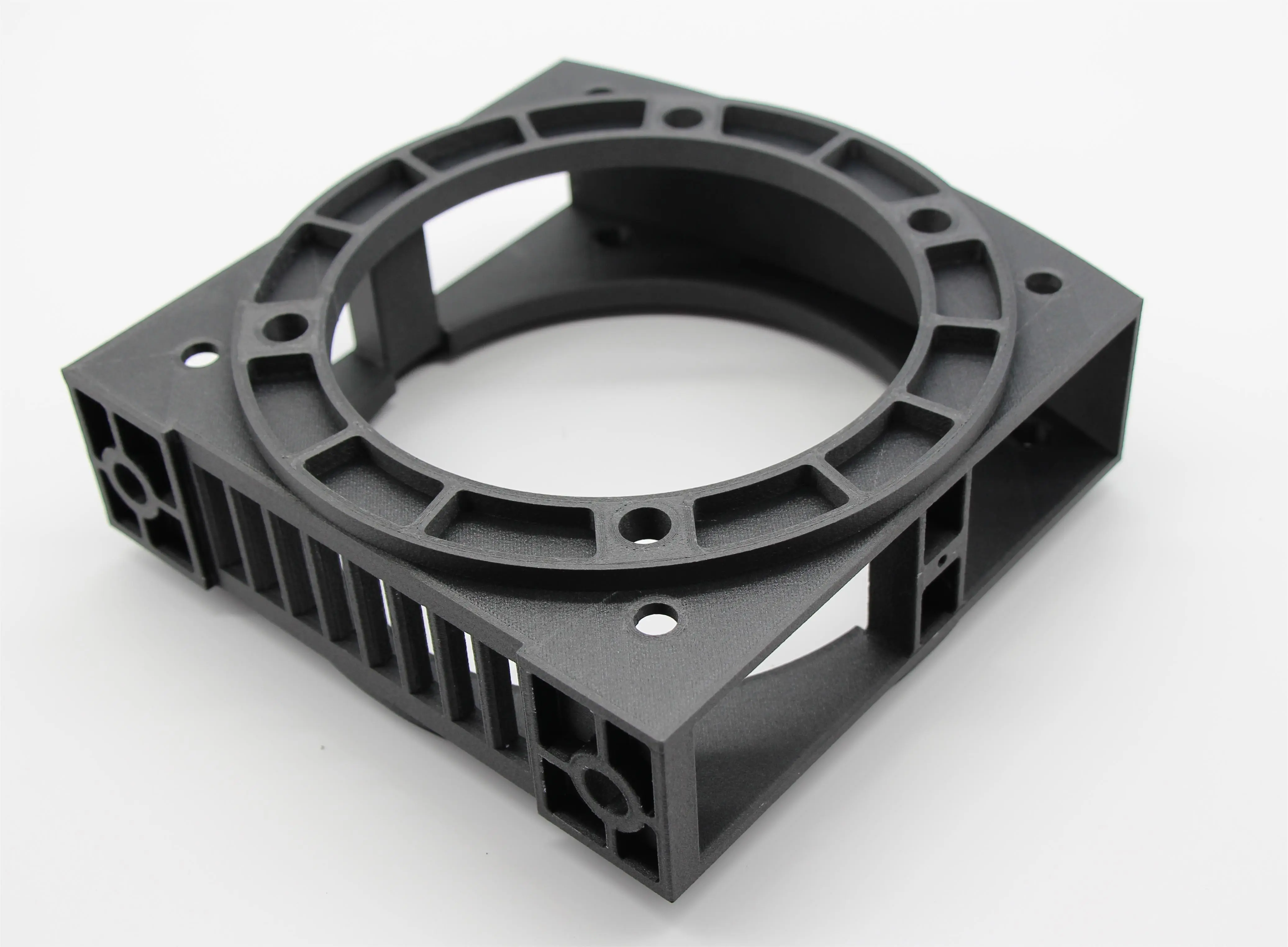
In FDM technology, plastic gets heated, and the parts are made in layers. It is the best-suited technology when it comes to design validation and prototyping.
Consider FDM when you want to
- Design and test the shape of your product prototype.
- Create simple tools and fixtures.
- Maintain reasonable prototype costs.
FINE DETAIL SLA
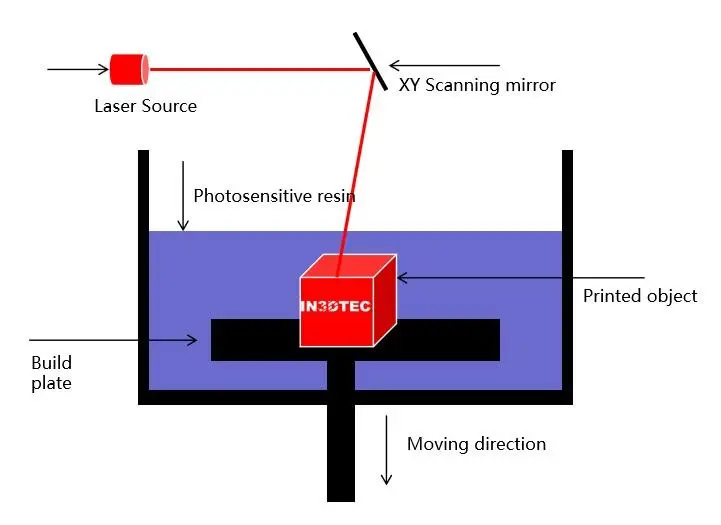
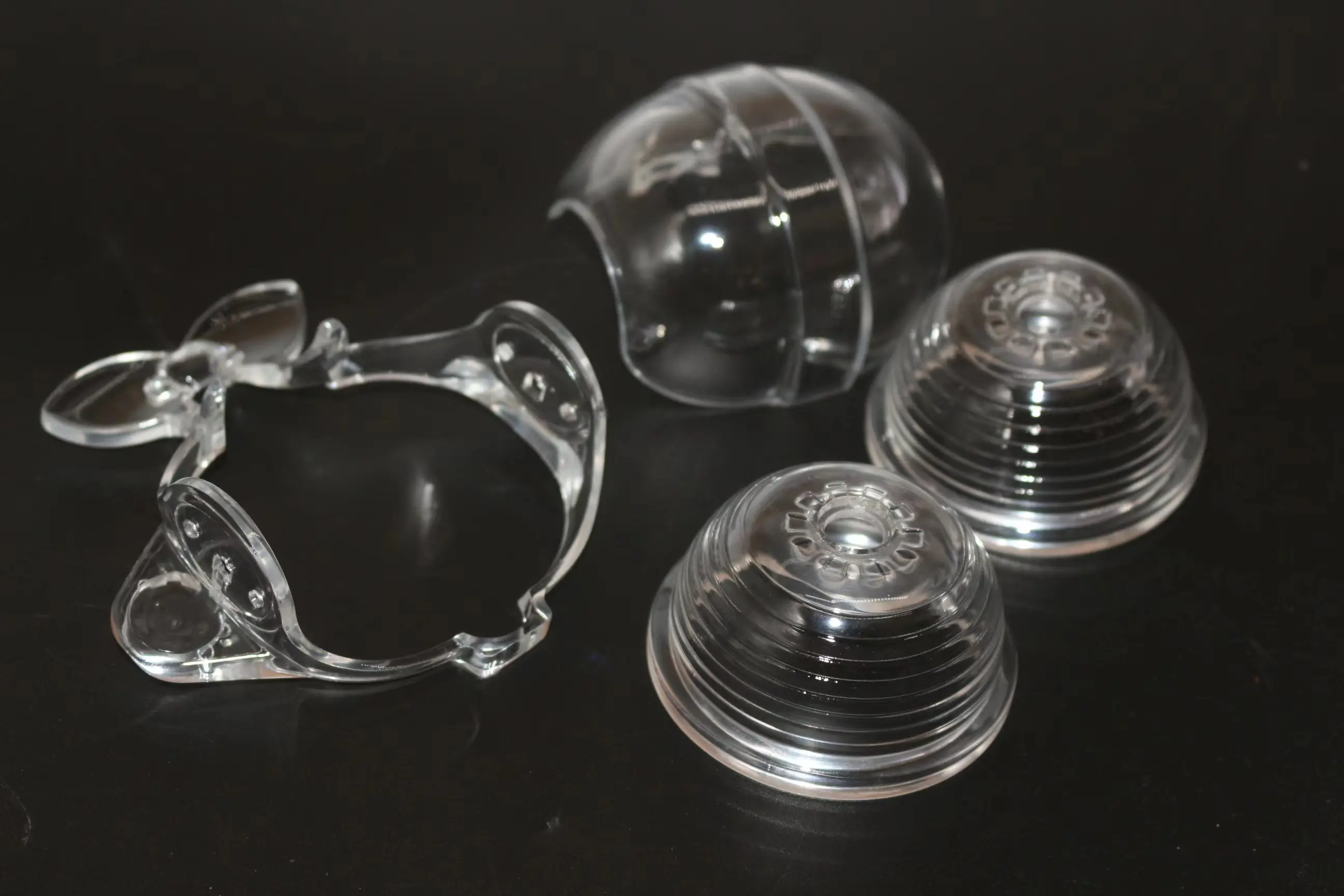
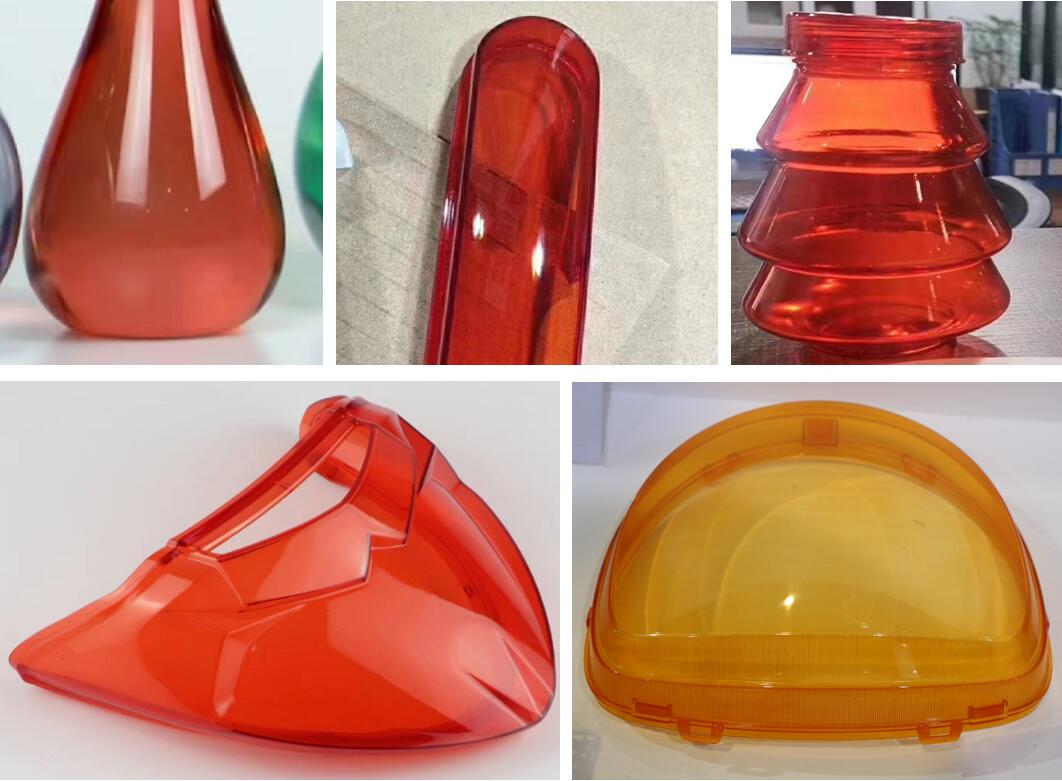
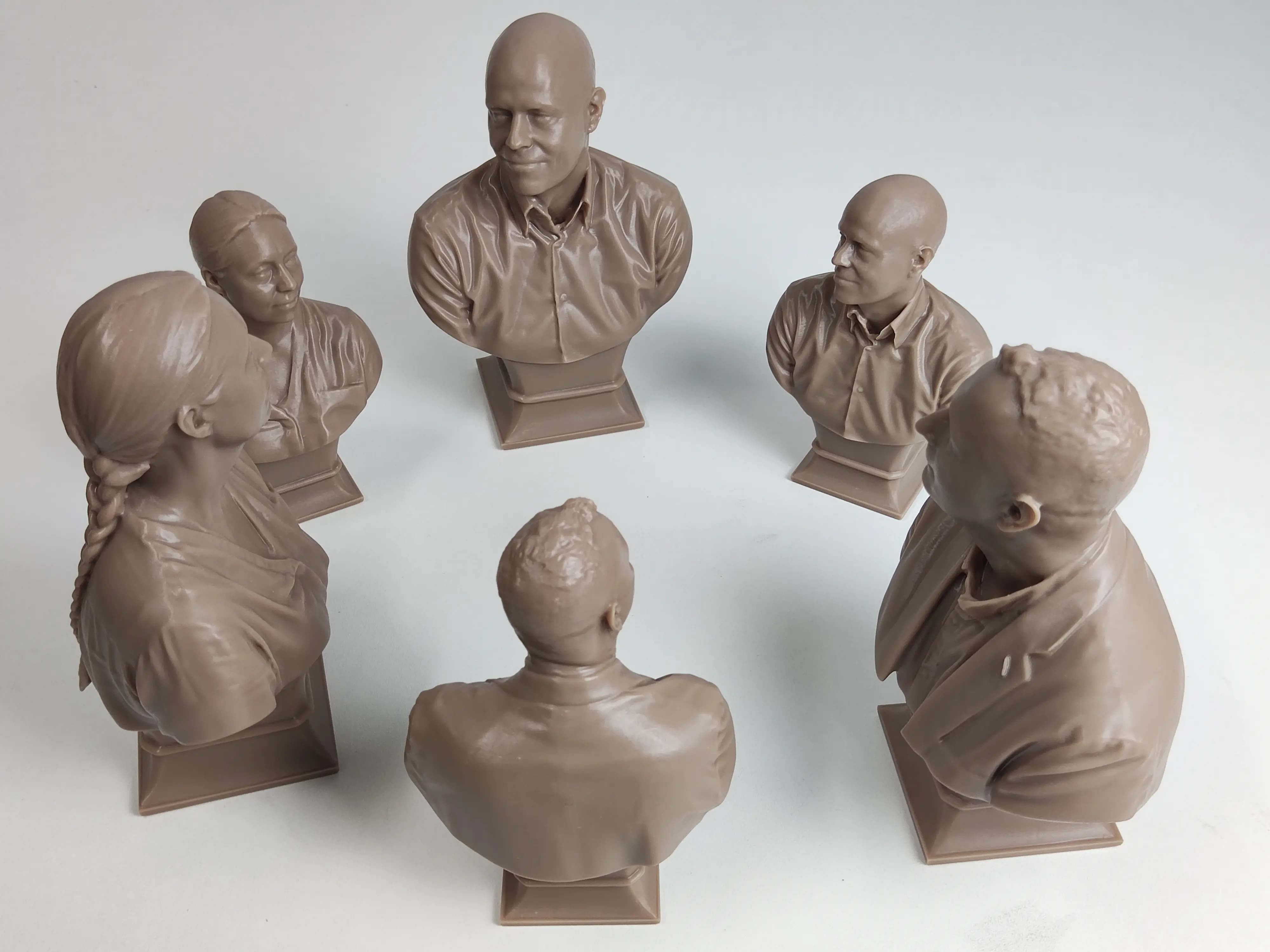
The SLA technology is about curing liquid resins with light. Thus, it enables fine detailing and a smooth surface finish, which makes it the perfect choice for creating display models or design models.
Go for SLA if you need to
- Check out the polished model of your product.
- Check if there are any fine details on your part.
- Generate parts for design review.
SLS FOR STRONG FUNCTIONAL PARTS
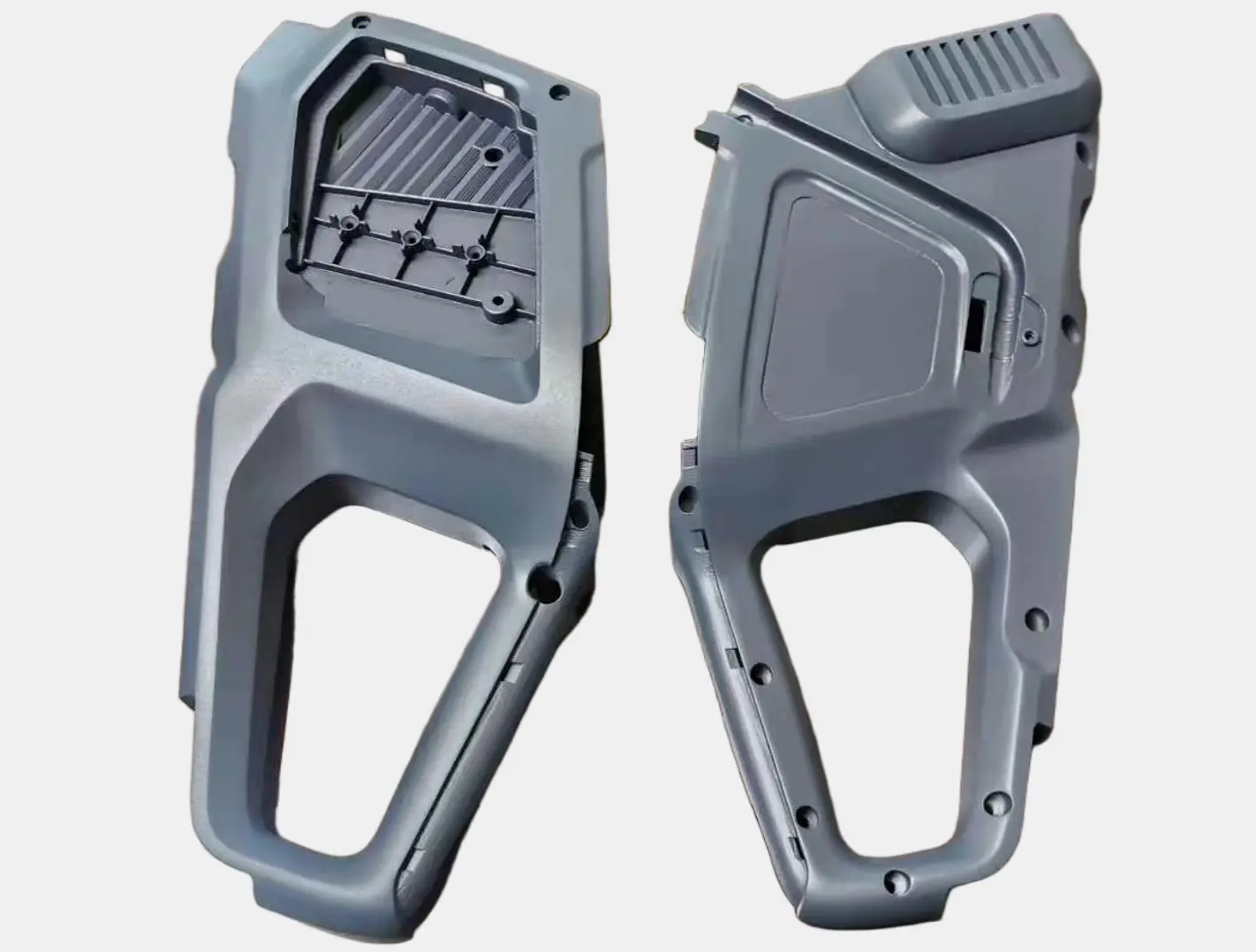
Choose Selective Laser Sintering (SLS) when you want to create your design from plastic powder with the help of a laser. SLS makes use of the surrounding plastic powder as support material for your design.
Select SLS if you need:
- Durable functional components.
- Geometric designs in your product.
- You should choose SLS if you need to:
- Show a polished product model.
Check small details and delicate forms.
WHICH ONE IS SUITABLE FOR YOU?
However, before choosing any one of them, you would need to analyze the following important points:
Usefulness: FDM can be used for basic testing, SLA is for visualization, and SLS is used for testing functional metal 3D printing for prototypes.
Selection of material: The choice of materials is based on the durability and heat resistance needed for the product.
Surface finish: SLA is your choice if you need smooth surfaces, while FDM and SLS have other functions.
Cost and volume: Estimate costs and volumes of the manufacturing process and place an order.
Metallic 3D printing can be considered as an alternative to plastic manufacturing if your product needs metallic parts due to their strength. Themetal additive manufacturing company can advise you about the materials and manufacturing process.
HOW IN3DTEC SUPPORTS YOUR MANUFACTURING GOALS
IN3DTEC provides FDM, SLA, SLS, and custom metal 3D printing services to help develop a product from the prototype to the production stage. In relation to metal 3D printing services, IN3DTEC assists clients in discovering the world of metal 3D printing, design considerations, and material selection.
The online quotation system offered by IN3DTEC will enable clients to make cost and design considerations before producing prototypes and parts for metal 3D printing.
THE END NOTE
Use either FDM, SLA, or SLS according to the purpose of the product, the materials used, and the budget involved. Although FDM is cheaper for simple models, SLA provides detail, while SLS produces tough plastic parts. The production of metal parts is entirely different from the above processes. IN3DTEC provides services for both plastic and metal printing to assist clients in their analysis.