English
 Deutsch
 Español
 Français
 Italiano
 日本語
 Русский
 中文
SLA Materials Overview – Stereolithography Explained
- Published September 24 2026 - Updated November 26 2026
Comparison of materials in SLA 3D printing.
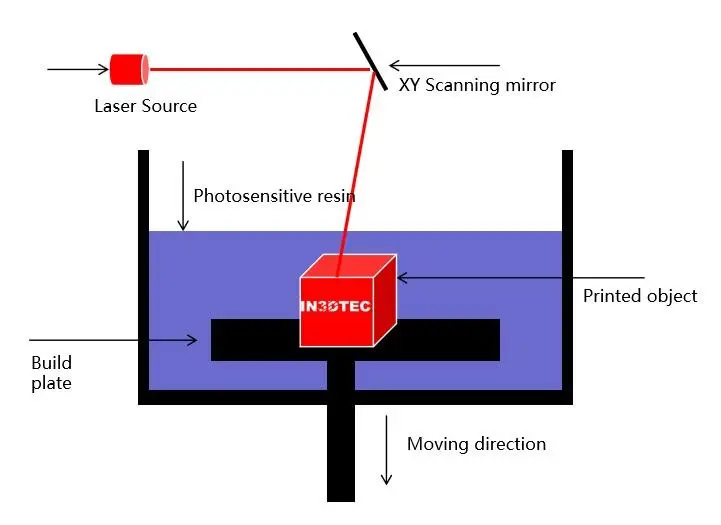
SLA stereolithography 3D printing uses a UV laser to cure liquid resin into hardened plastic in a process called photopolymerization. Different combinations of the monomers, oligomers, photoinitiators, and various other additives that comprise a resin result in different material properties.
When talking about the pros, the materials exhibit properties like smoothness, and better surface finish. These are capable of producing finer features with great details.
Plus, they are highly stiff. On the flip side, these produce relatively brittle parts that lack flexibility. Plus, being photosensitive, these parts are not suitable for outdoor applications.
The exposure to UV rays could change their mechanical properties compromising their actual use. Moreover, these are prone to creep as well.
But as said before, the different resins showcase different properties. So, let us check in detail the various options and their unique properties.
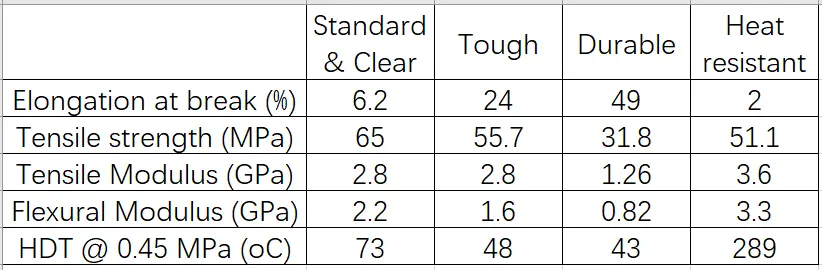
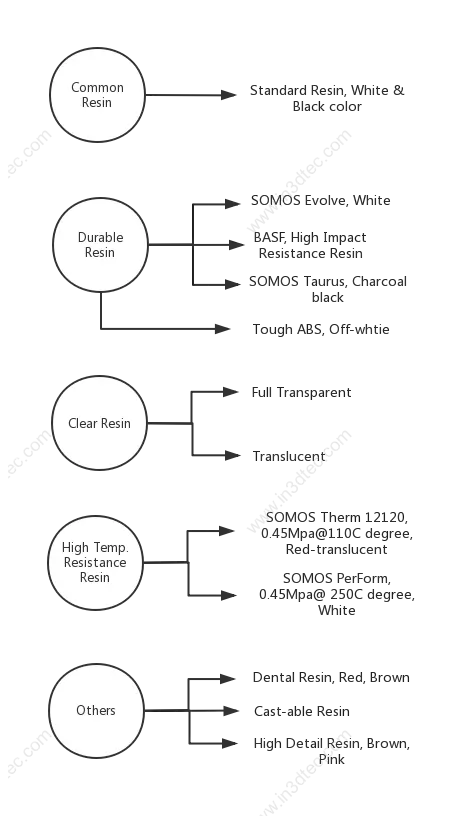
First of all, the following table covers most of the materials for UV curing 3D printing, and only some of them are selected for introduction this time.
STANDARD RESIN
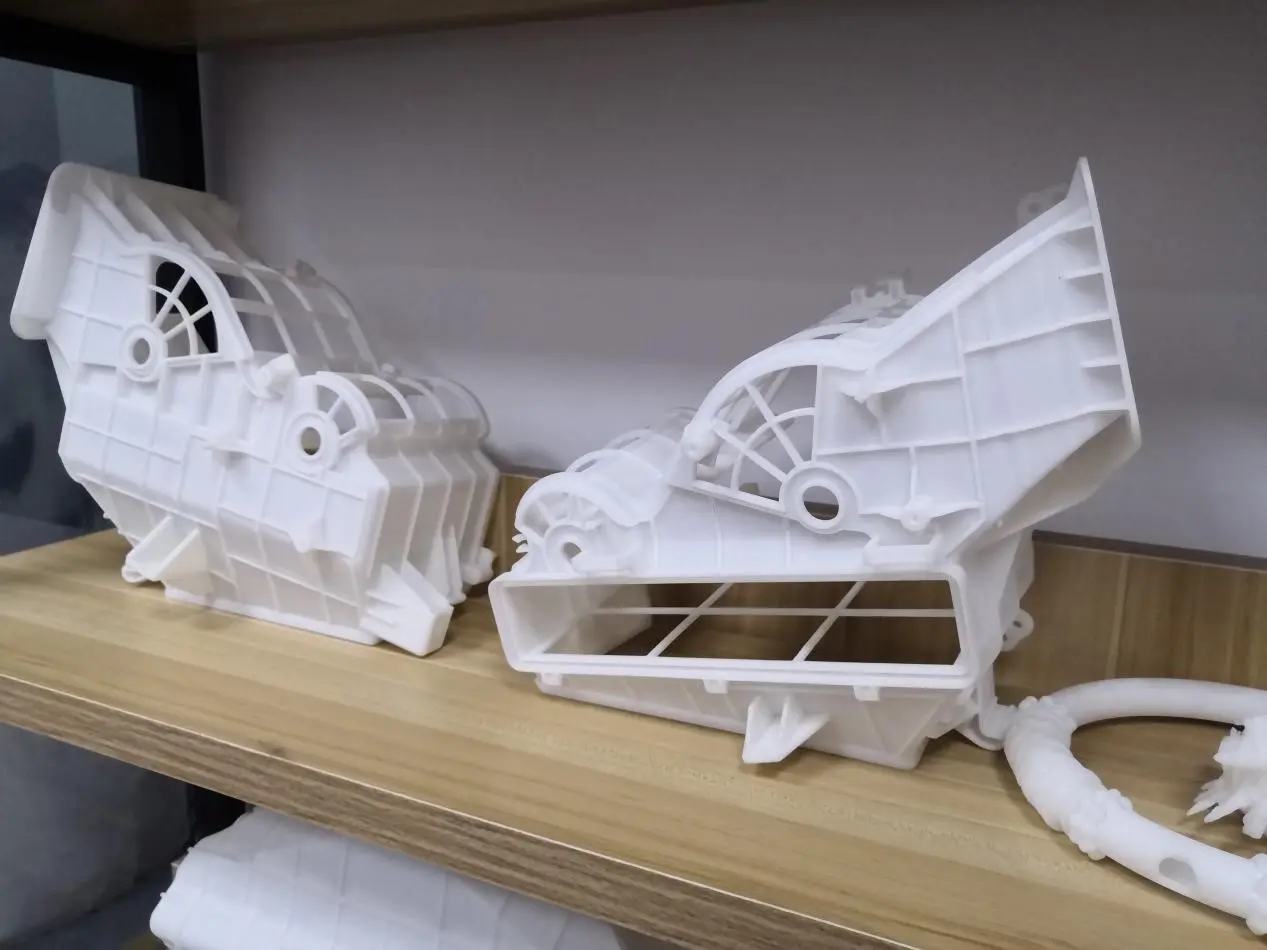
Standard resins produce high stiffness, high resolution prints with a smooth injection molding-like finish. Their low-cost makes them ideal for prototyping applications.
Standard resins has high tensile strength but is very brittle (very low elongation at break), so it is not suitable for functional parts.
TOUGH RESIN
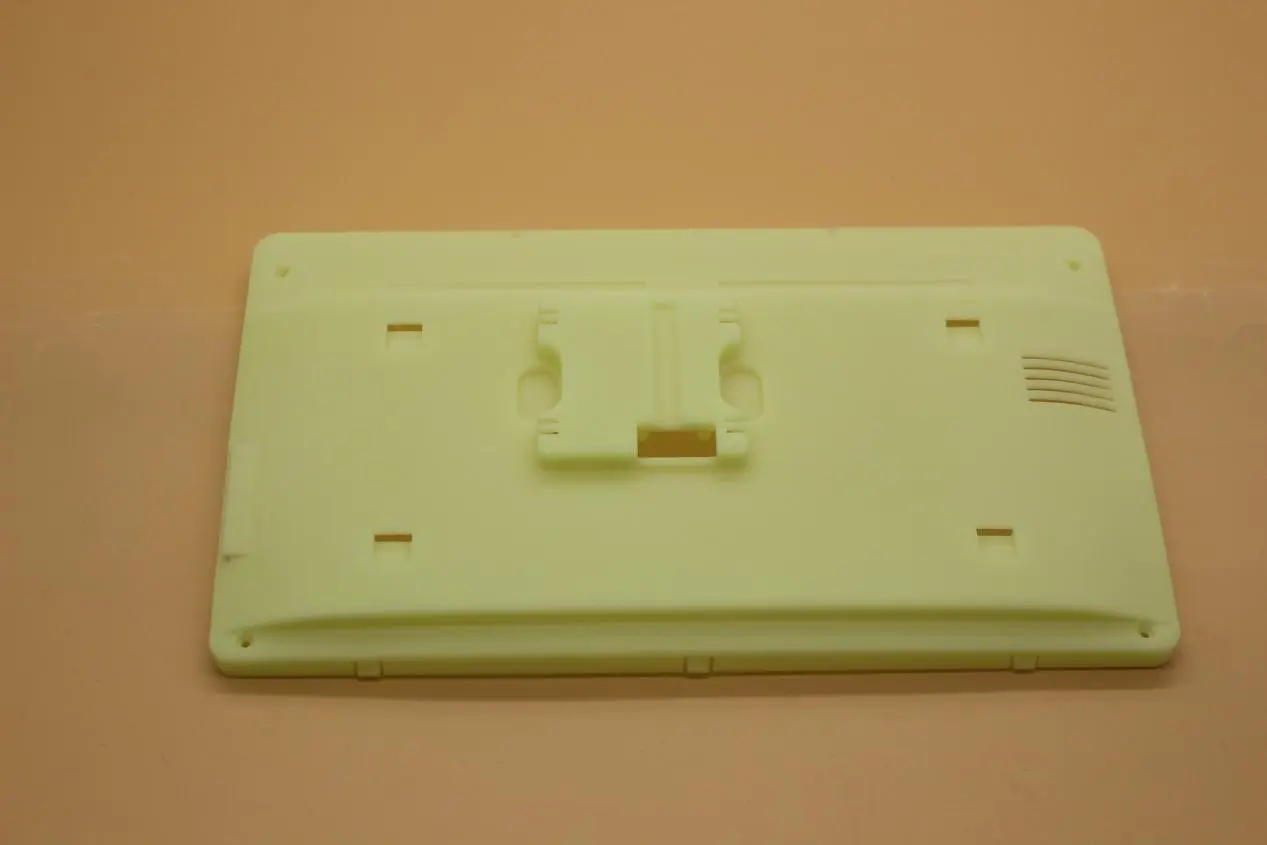
Tough resin is one of the many types of engineered resins that was developed for making parts susceptible to high stress. The material can withstand the high strain.
The material is like ABS filament used for FDM 3D printing. It exhibits a tensile strength of 55.7 MPa as well as modulus of elasticity is 2.7 GPa, very close combat with ABS.
You can use the material for creating sturdy parts that are resistant to shatter. These resins do a wonderful job when used for creating functional prototypes as well.
Talking about the limitations, the material cannot fit into applications that require parts with wall thickness less than 1mm. The parts are brittle too as it is common among all SLA materials.
Tough resins are great for creating parts that require mechanical assembly.
DURABLE RESIN
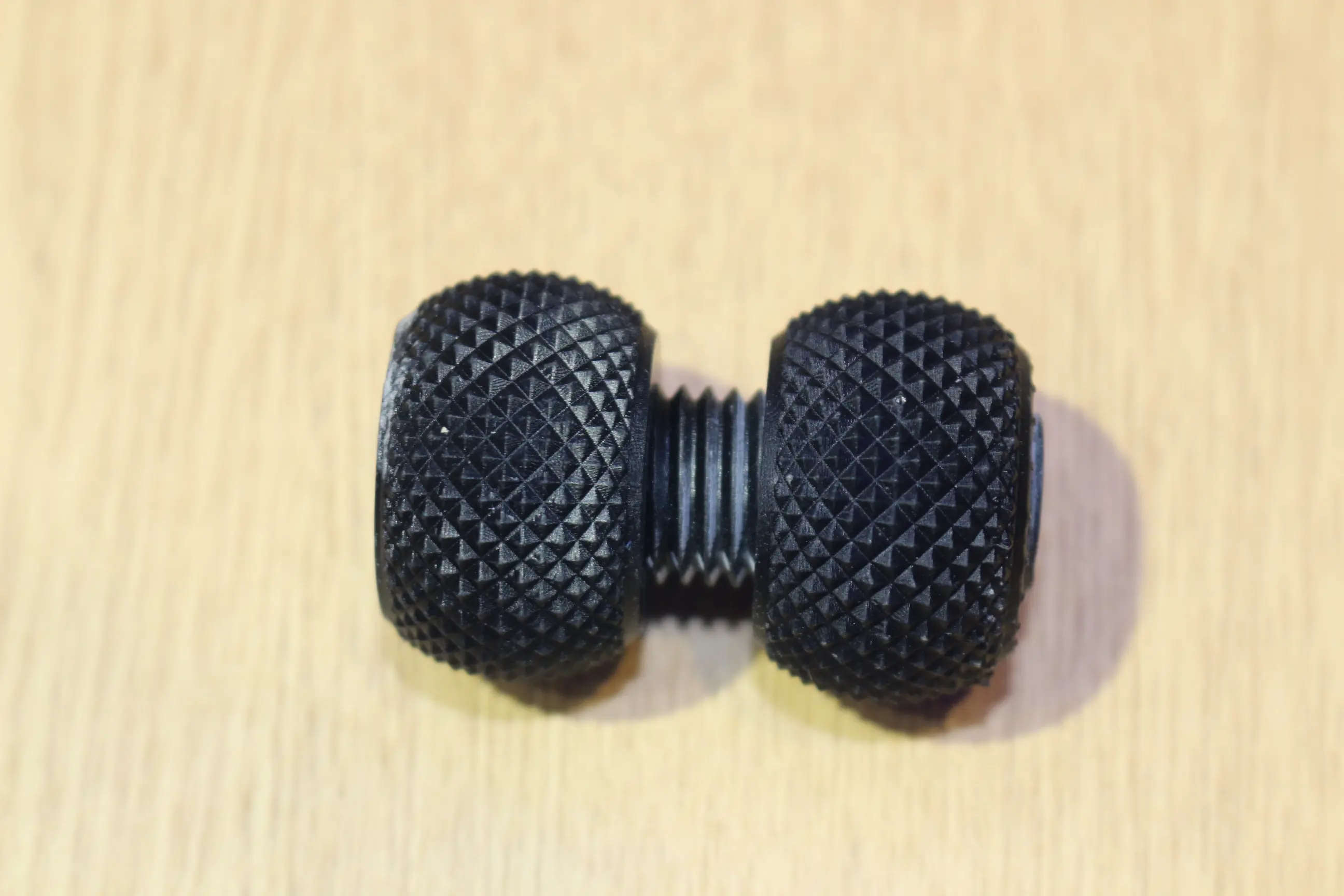
The material is created to copy the properties of PP (Polypropylene) used in FDM 3D printing. The parts produced are resistant to wear and tear. And, the resin also provides flexibility to the parts produced through SLA 3D printing.
Because of its properties, the material is suitable for applications that require high flexibility. It also provides low friction as well as a smooth surface finish. The material is widely used for applications such as snap fits and ball joints and various others.
When talking about the disadvantage of the durable resin, the first thing that comes to mind is its incapability to produce parts with wall thickness less than 1 mm. It also has low tensile strength, even lower than touch resins.
CLEAR RESIN
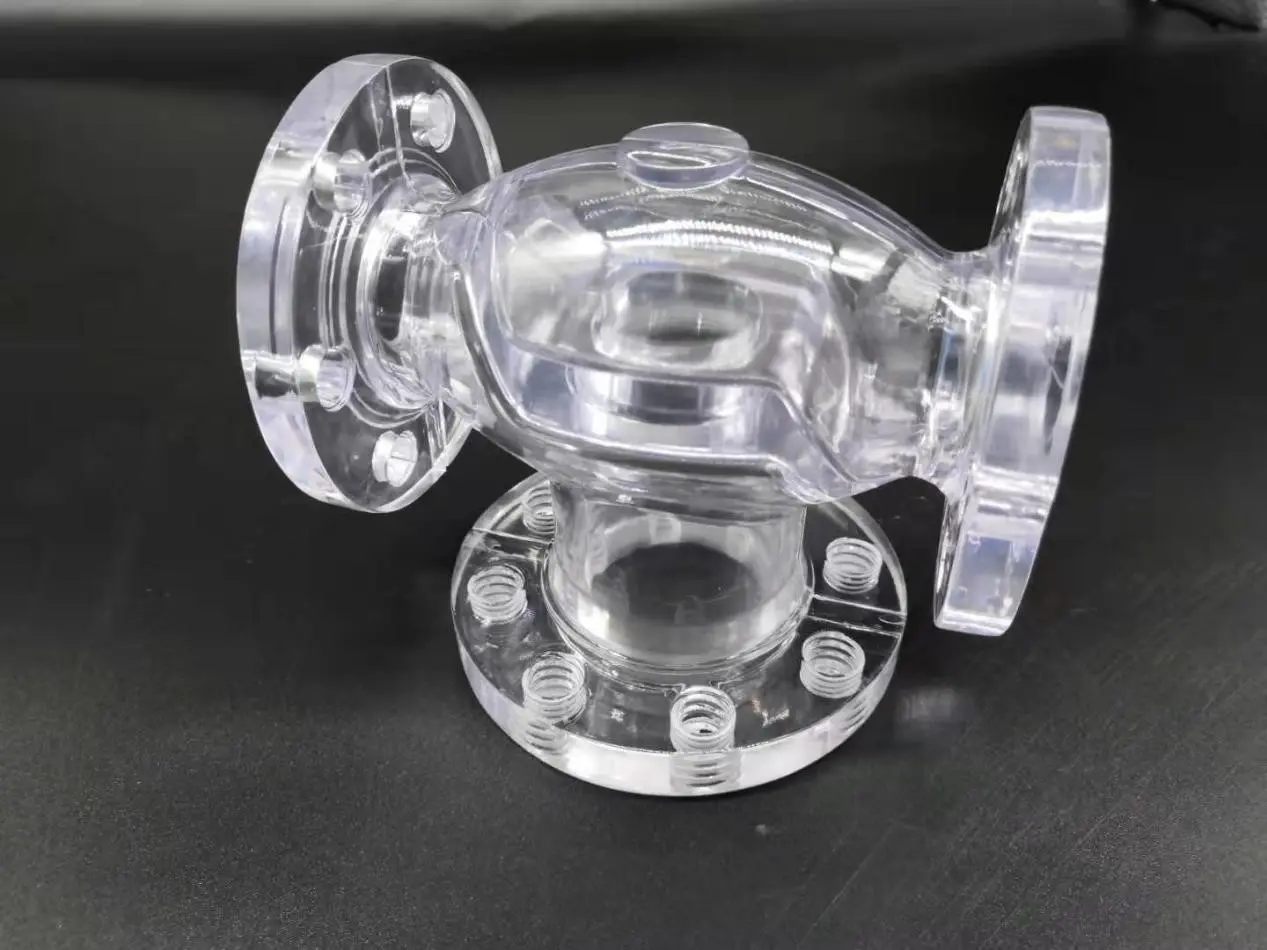
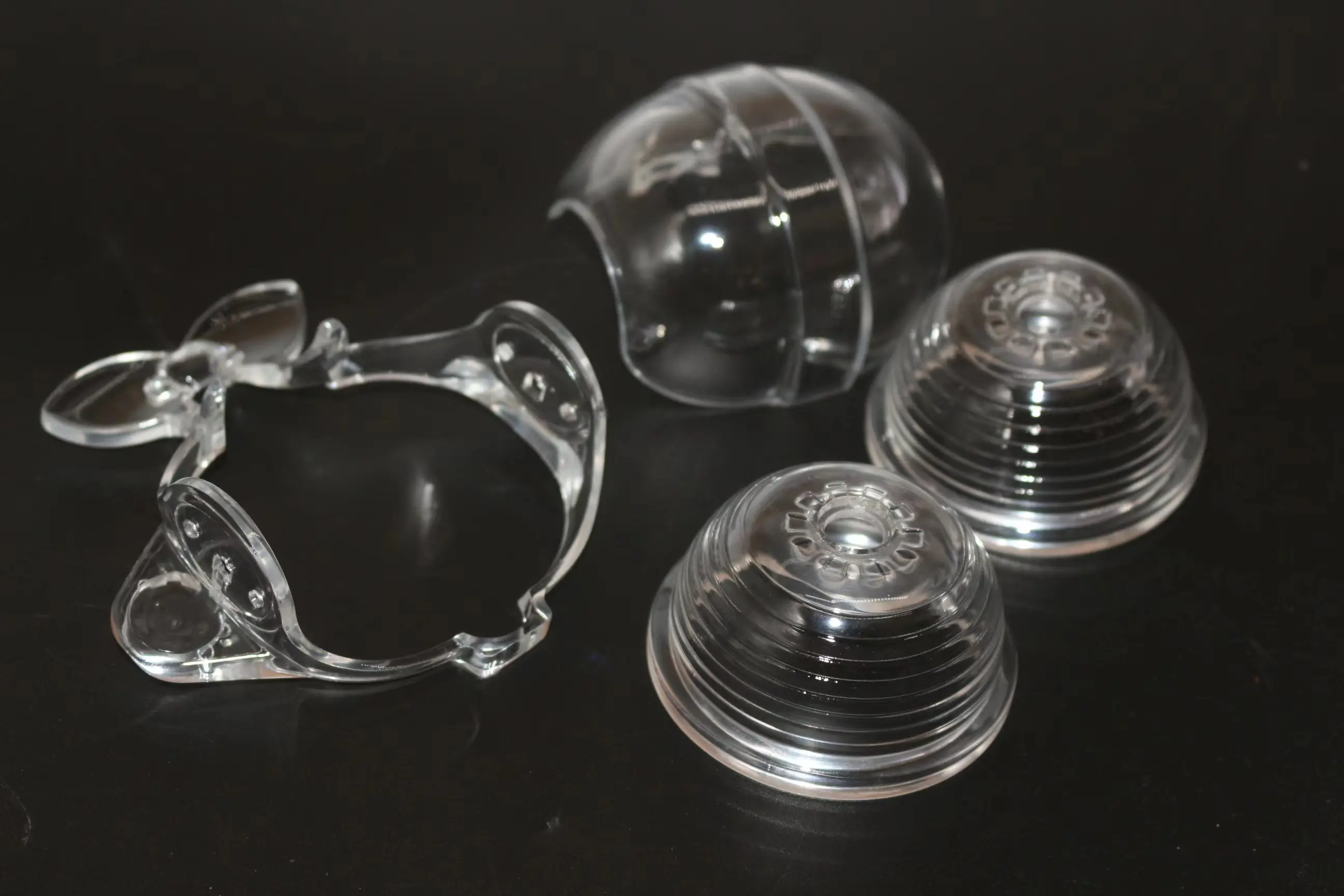
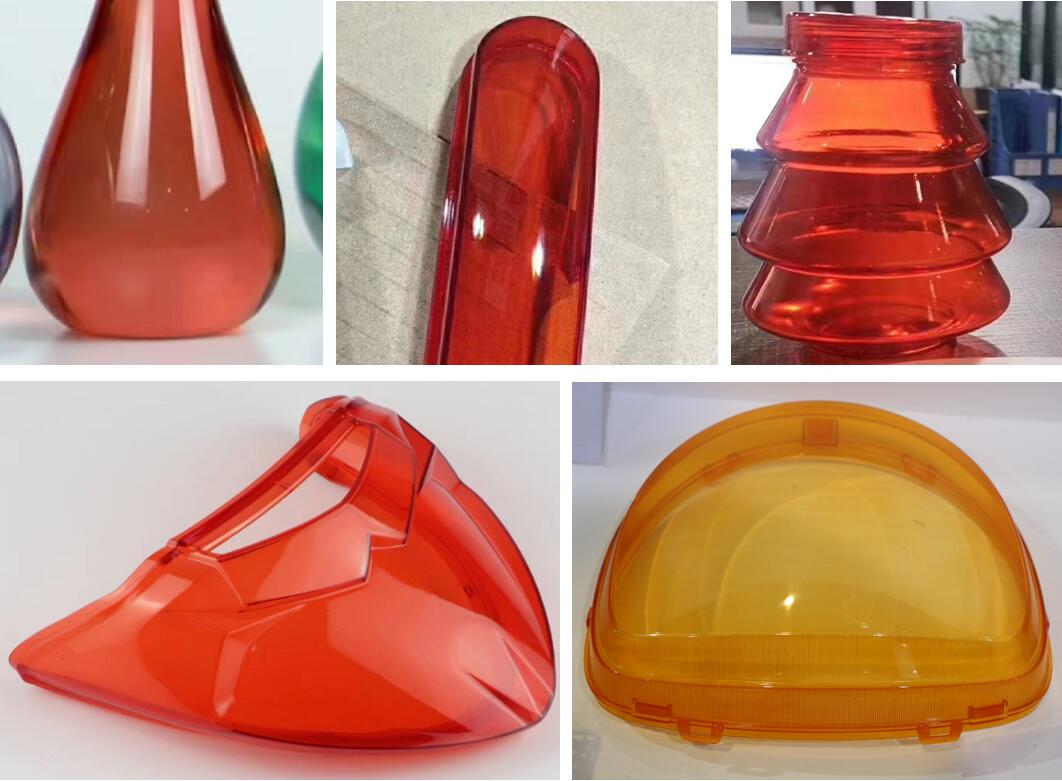
Clear resin has similar mechanical properties to standard resin, but can be post-processed to near optical transparency or semi-transparency.
HIGH DETAIL RESIN
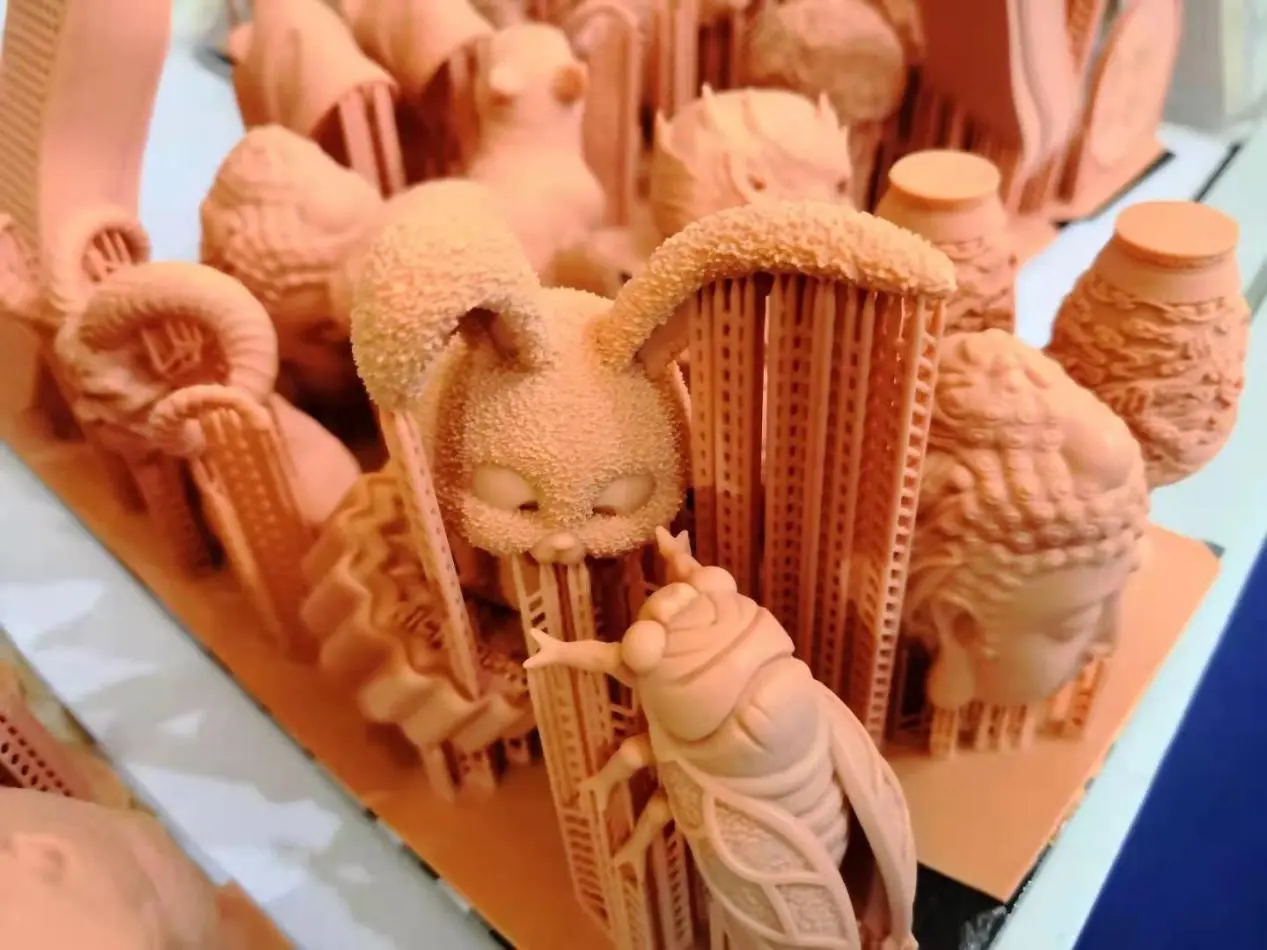
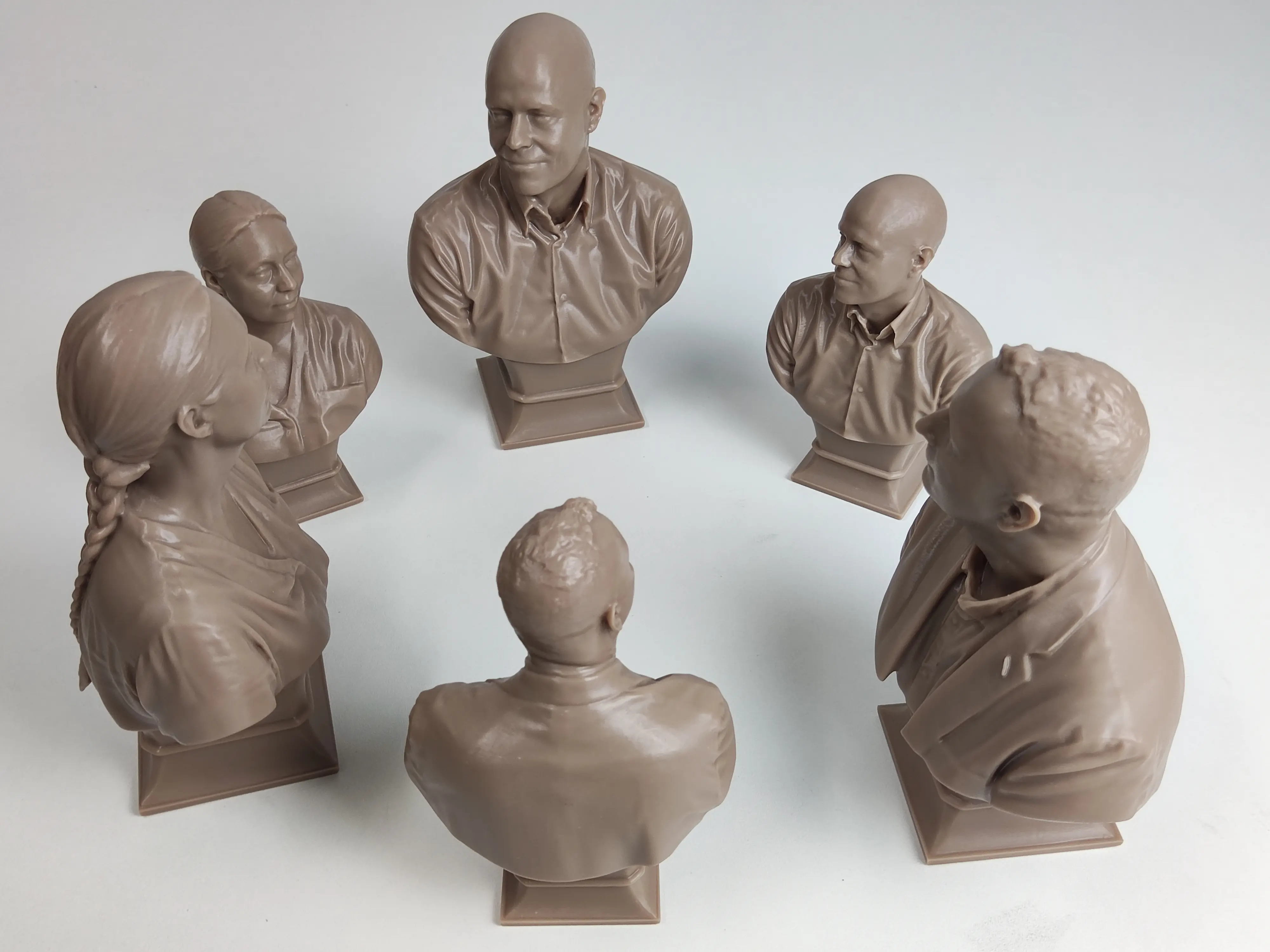
High Detail Resin is ideal for objects that’ll be displayed, such as prototypes, models, or figurines. Thanks to the combination of the material and the printing method, incredibly fine details and a smooth surface can be delivered, with this variety of resin offering a particularly high resolution that’s perfect for jewelry and miniature figurines.
HEAT RESISTANT RESIN
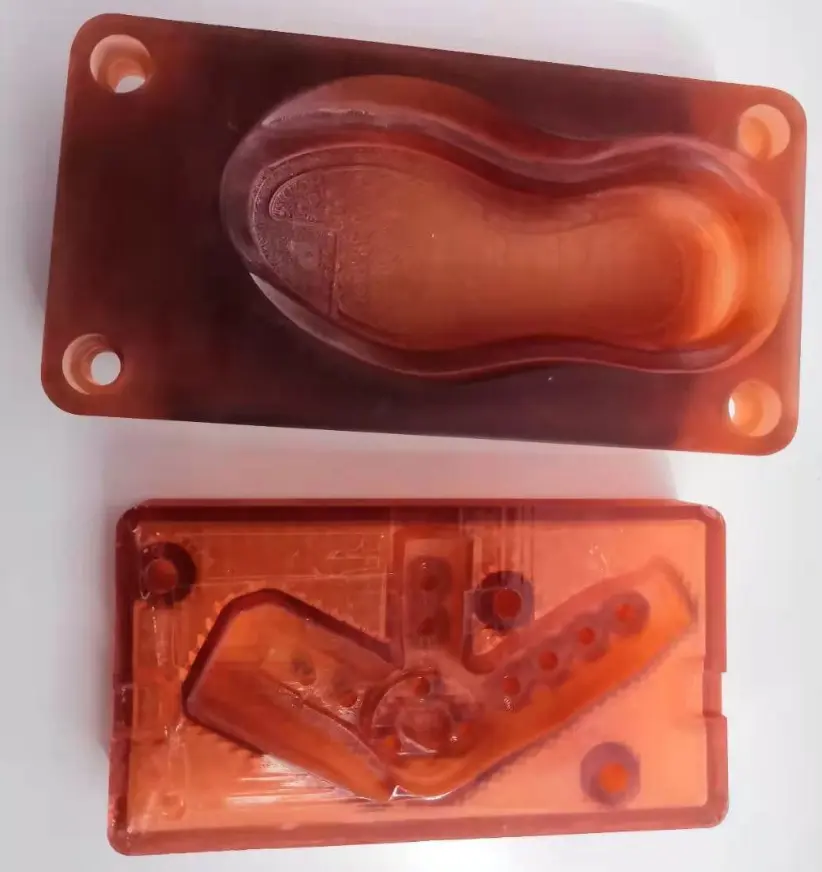
Heat resistant resin are ideal for applications that require high thermal stability and operate at high temperatures.
These resins have a heat deflection temperature between 110-250°C and are ideal for manufacturing heat resistant fixtures, mold prototypes, hot air and fluid flow equipment, and casting and thermoforming tooling.
CASTABLE SLA MATERIAL
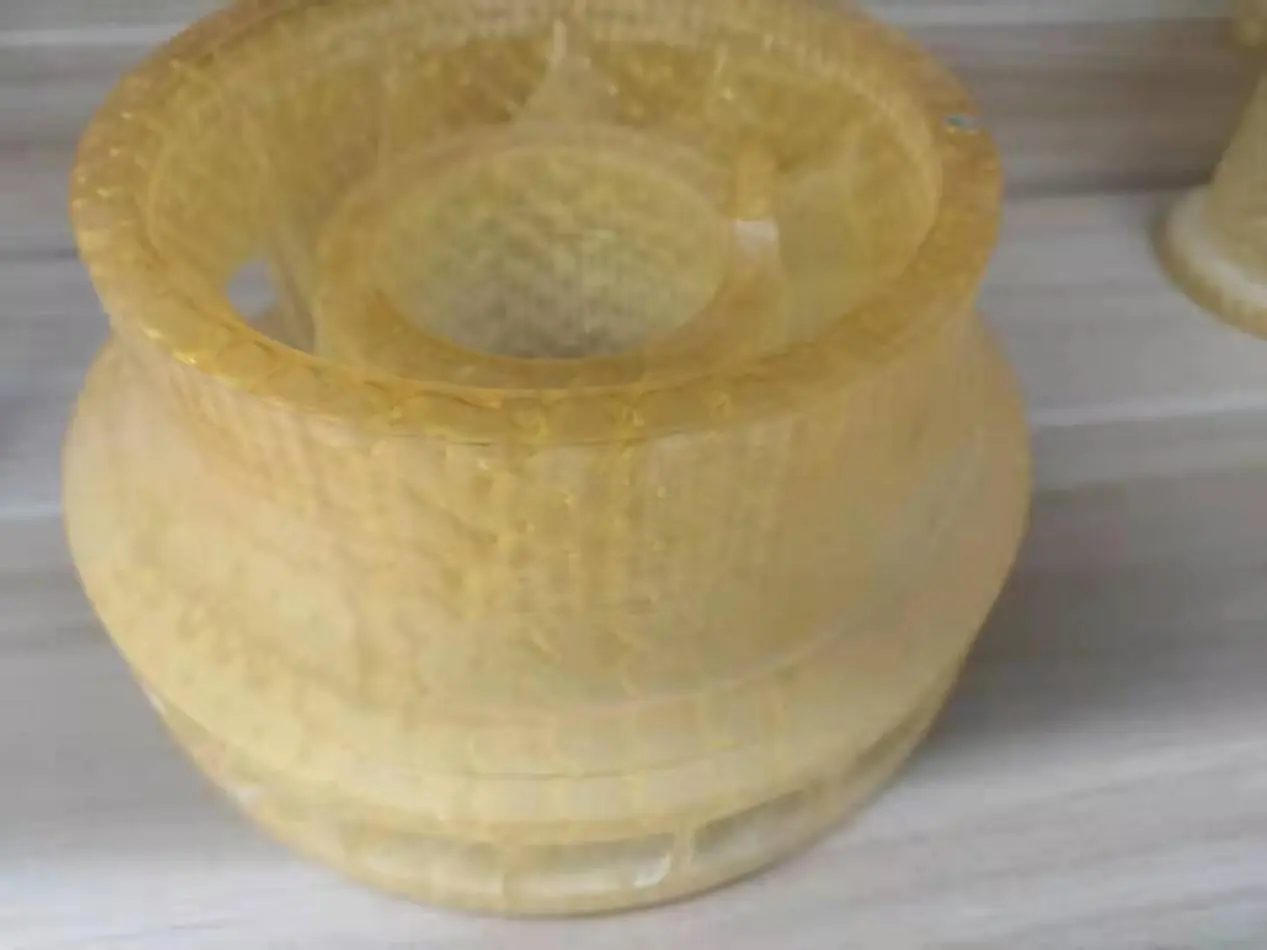
This material enables printed parts with sharp details and a smooth finish, and will burn out cleanly without leaving ashes or residue.
Castable resin allows the production of parts directly from a digital design to investment casting through a single 3D printed part. They are suitable for jewellery and other small and intricate components.