English
 Deutsch
 Español
 Français
 Italiano
 日本語
日本語 Русский
 中文
中文
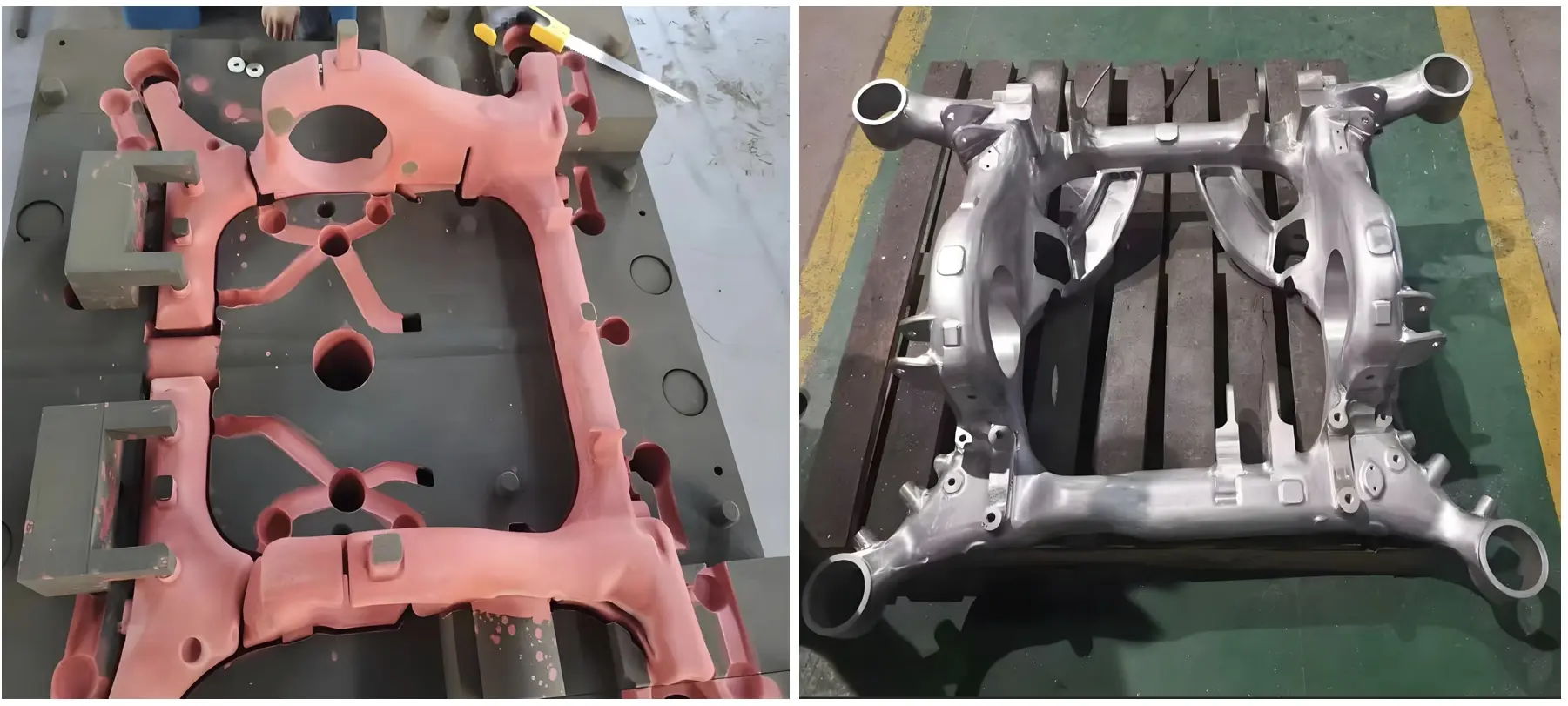
Modernizing Metal Casting with Sand 3D Printing
- Published October 22 2025 - Updated September 04 2026
Let’s explore how metal casting combining with sand 3D printing change the traditional casting world.
For centuries, metal casting has been a reliable method for manufacturing robust, structurally complex components across a range of industries. It is widely used in the automotive, aerospace, mechanical engineering and arts industries. Thanks to advances in additive manufacturing technology, traditional casting processes are constantly evolving. One of the most promising innovations in this field is sand 3D printing, you can get this service from IN3DTEC. This technology combines the precision and speed of 3D printing with the robustness of metal casting.
1. WHAT IS SAND 3D PRINTING?
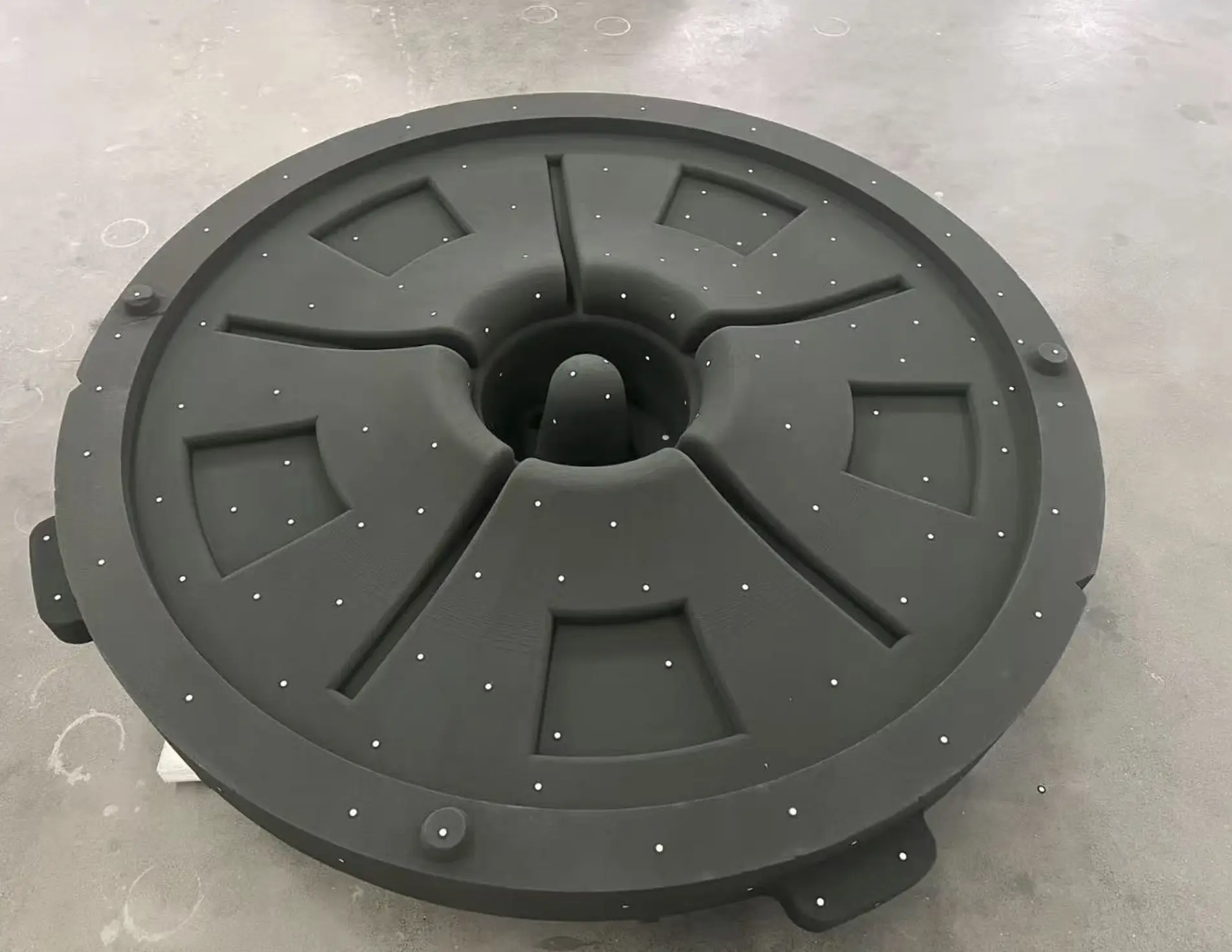
There are various types of metal casting technologies. The technology that combines metal casting with sand 3D printing is still a novelty to the general public. So, what is 3D sand printing? Sand 3D printing deposits the fine sand and binder layer-by-layer to produce sand molds and cores. Different from conventional mold-fabrication methods, this method does not require physical models or molds. It utilizes digital 3D models (typically CAD files) to print the molds directly.
What are the results? The sand mold produced has extremely fine details and can be used directly for pouring molten metal. This technology doesn’t need to make molds, thereby saving both time and costs.
2. BENEFITS OF SAND 3D PRINTING IN METAL CASTING
2.1 Tool-Free, Cost-Effective Production
Traditional casting processes typically require the manufacturing of wooden or metal molds, which is not only costly but also time-consuming. Sand 3D printing technology does not require physical molds, making it ideal for prototyping, small-batch production and the manufacture of individual parts.
2.2 Unlimited Geometric Complexity
Designers can design parts with internal channels, undercuts and other complex features, which would be virtually impossible or extremely costly to manufacture by traditional mold-making methods. Sand 3D printing has opened up new ways for the production of structurally complex and lightweight metal parts.
2.3 Accelerated Lead Times
As the molds are printed directly from CAD models, lead times are significantly reduced. Parts that might take several weeks to prepare using traditional molds can be produced in just a few days using sand 3D printing technology.
2.4 Versatile Material Compatibility
Molds manufactured by sand 3D printing can be used to cast aluminum, stainless steel, carbon steel, bronze and nickel alloys etc.
3. REAL-WORLD APPLICATIONS ACROSS INDUSTRIES
- Automotive: Engine blocks, intake manifolds, and turbo housings.
- Aerospace: Lightweight structural components and complex cooling channels for turbines.
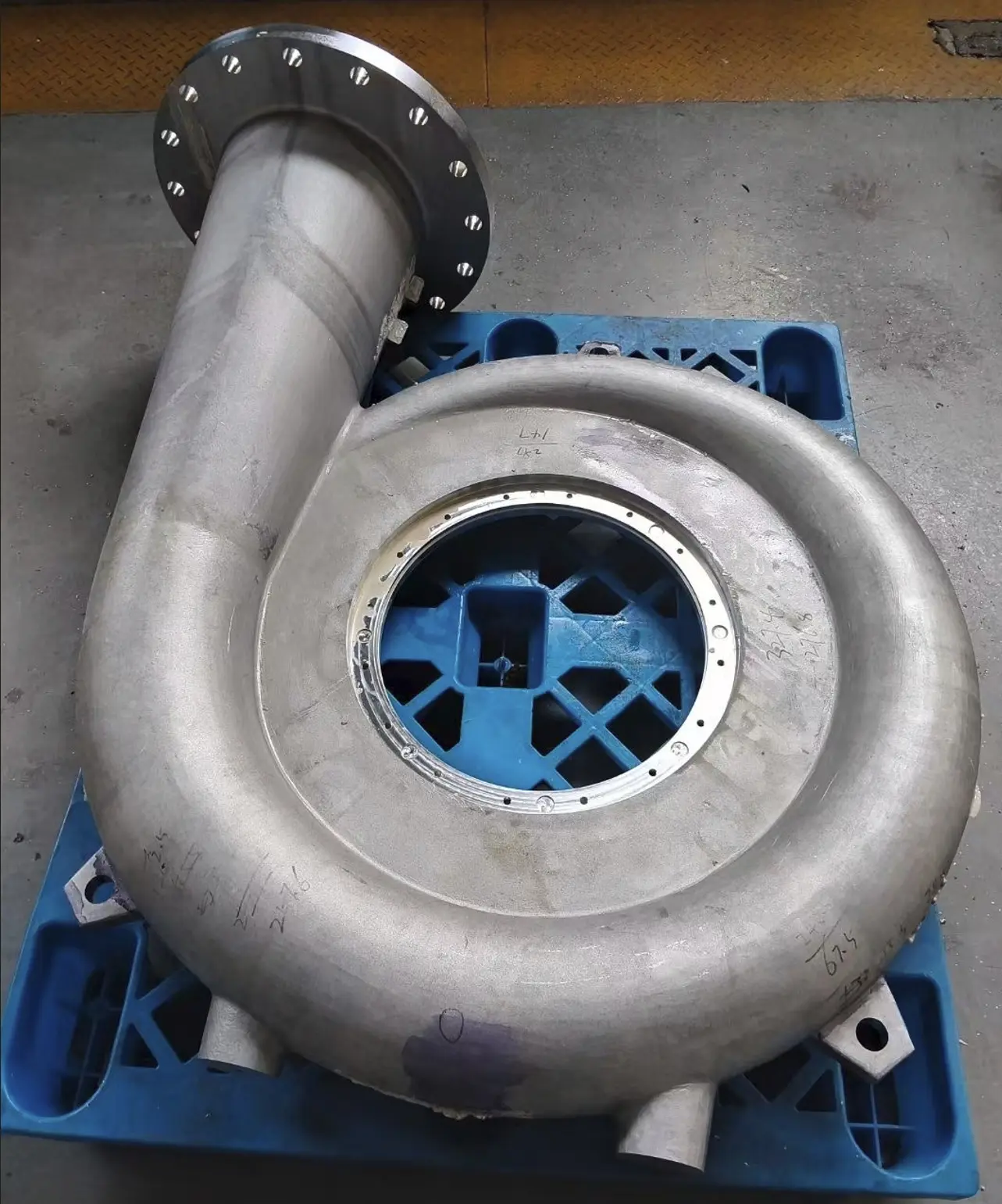
- Industrial Equipment: Pump housings, valves, and heavy-duty connectors.
- Art & Restoration: Custom sculptures and heritage part reproductions.
4. WHY COMBINE SAND 3D PRINTING WITH TRADITIONAL CASTING?
The emergence of sand 3D printing is not intended to replace metal casting, but rather to optimize it. It weaves the thread between digital design and traditional manufacturing. Combining sand 3D printing with metal casting can help manufacturers shorten R&D cycles, minimize waste and mold investment, increase design freedom, and efficiently produce small-batch parts.
For industries requiring the manufacture of structurally complex, high-strength components whilst wishing to avoid high upfront molding costs, this hybrid approach is a good choice.
5. TECHNICAL FAQ: ARE CAST PARTS READY FOR IMMEDIATE USE?
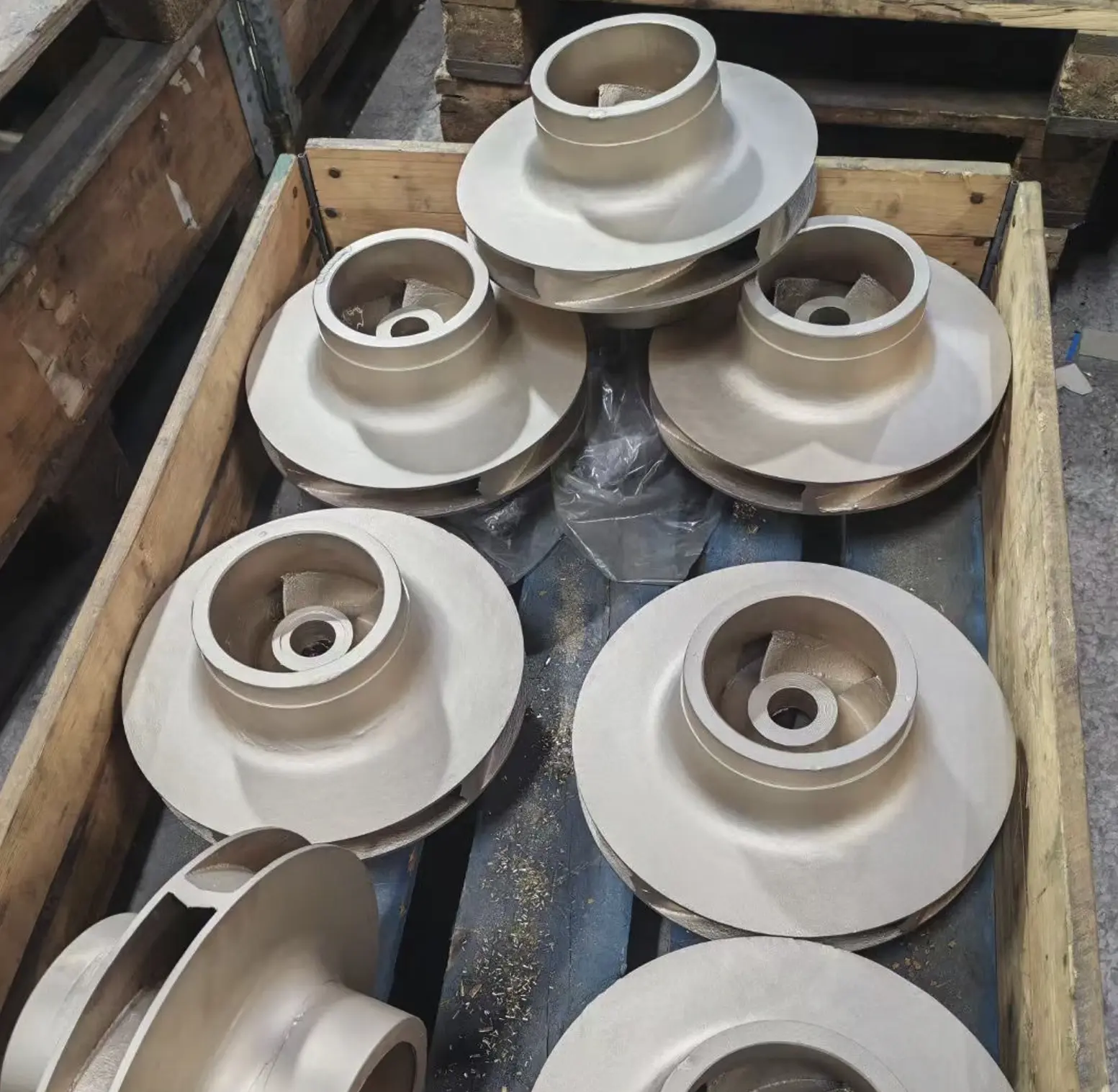
This is a common question asked by engineers and purchasing personnel: Can metal parts made by sand 3D printing technology be used directly without additional machining processes? The answer depends on the function of the part and the required tolerances.
While sand 3D printing can create molds with high geometric precision, the casting process itself is still subject to traditional limitations. This means that dimensional tolerances are typically within the range of ±0.5–2.0 mm, depending on the part size and metal type. For functional parts requiring high tolerances, such as sealing surfaces, threads, or bearing housings, CNC machining or other finishing processes are usually required.
Post-Processing Considerations
Once casting is complete, components may require the following common post-processing steps:
- Surface cleaning (e.g. sandblasting or shot blasting) to remove residual sand particles or oxides.
- Heat treatment, particularly for steel or aluminum alloys, to improve their mechanical properties.
- Machining of critical surfaces to meet dimensional and surface roughness requirements.
- Carry out quality assurance inspections using a coordinate measuring machine (CMM) or 3D scanning.
In some cases, especially for artworks or non-load-bearing components, the original surface finish of the casting is acceptable, or even preferred, without the need for further processing.
CONCLUSION
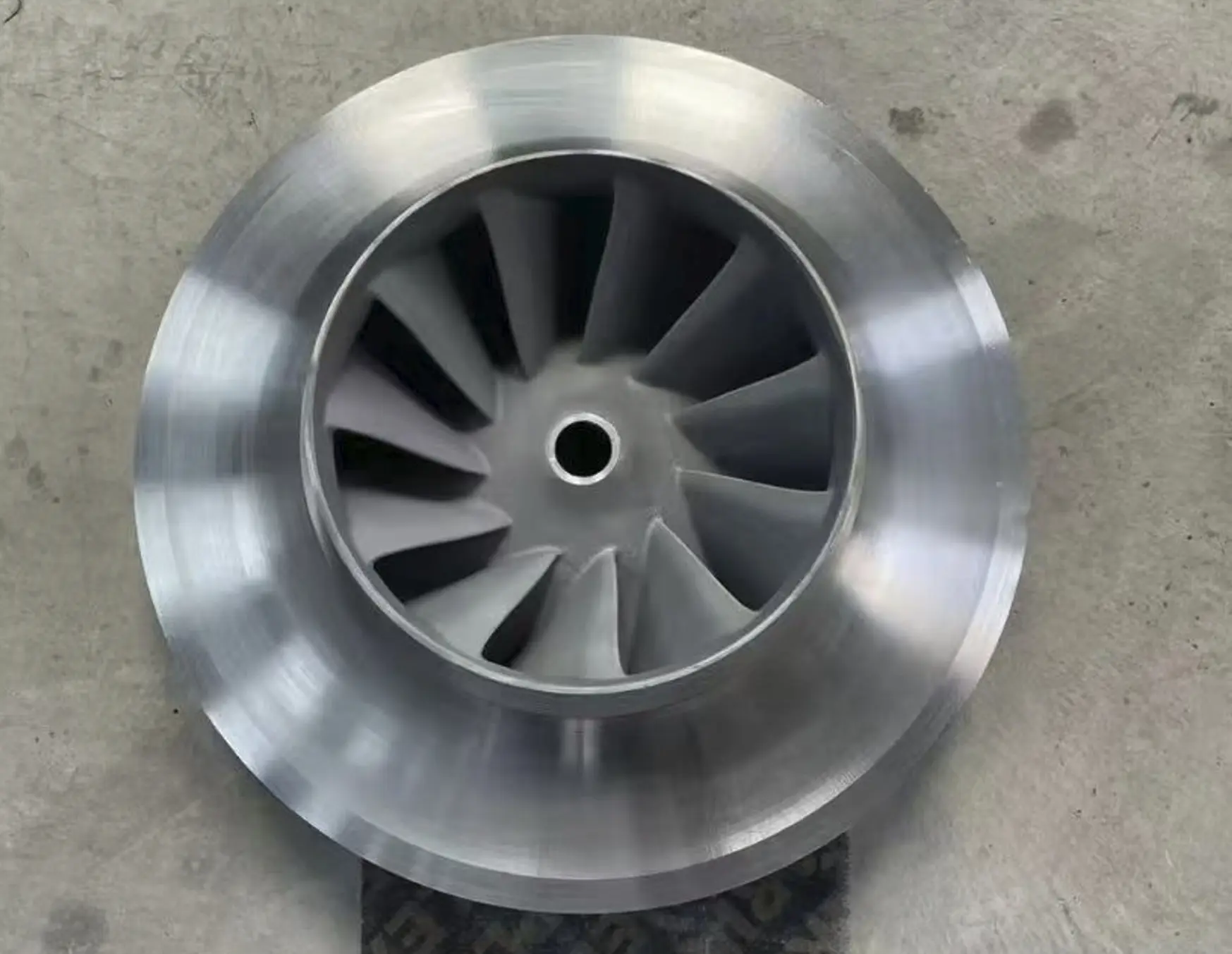
As global manufacturing becomes increasingly agile and customized, combining sand 3D printing with metal casting offers a smart solution for companies looking to maintain a competitive edge. Whether you're producing prototypes or functional parts, this approach balances speed, flexibility during manufacturing processes, and precision of the parts.
Looking to bring your metal part designs to life quickly and cost-effectively? Contact the IN3DTEC team to discuss how sand mold 3D printing and casting technologies can empower your next project.