English
 Deutsch
 Español
 Français
 Italiano
 日本語
日本語 Русский
 中文
中文

Types of 3D Printing technologies in 2023
- Published November 07 2025 - Updated September 07 2026
Confused by different 3D printing processes? Discover the pros and cons of SLA, FDM, SLS, MJF, and Metal SLM. Learn which technology is best for your project, from high-detail dental models to super-strong functional metal components.
You might know 3D Printing is an additive manufacturing process in which parts are made layer by layer. It is still not easy to figure out the difference between different 3D Printing technologies as this technology changes every day, no worries. We are here to make it easy for you.
There are several types of 3D printing, which include:
- Stereolithography (SLA)
- Digital Light Process (DLP)
- Selective Laser Sintering (SLS)
- Fused Deposition Modeling (FDM)
- Multi Jet Fusion (MJF)
- PolyJet
- Selective Laser Melting ( SLM-Metal Printing)
So knowing the difference between each technology will help you select the best type of additive manufacturing technology, no matter whether you gonna choose a 3D Printing service or purchase your own 3D Printers.
STEREOLITHOGRAPHY SLA 3D PRINTING
Stereolithography 3D printing is the most popular additive printing process for making plastic prototypes. SLA 3D Printers excel at producing parts with high details, smooth surface finishes, and tight tolerance. The print volume is from 2x2x2mm up to 1800mmx850x800mm which can make functional prototypes as fast as one day. The shortcoming of SLA 3D printing is that most of the materials are not suitable for parts that need super-strength performance.
DIGITAL LIGHT PROCESS DLP 3D PRINTING
DLP printing process is quite similar to SLA additive manufacturing. When shall you choose DLP 3D printing? We would like to say Parts need High details, and due to some DLP materials being compatible with skin and food, so select DLP printing for dental printing is a good choice.
SELECTIVE LASER SINTERING SLS 3D PRINTING
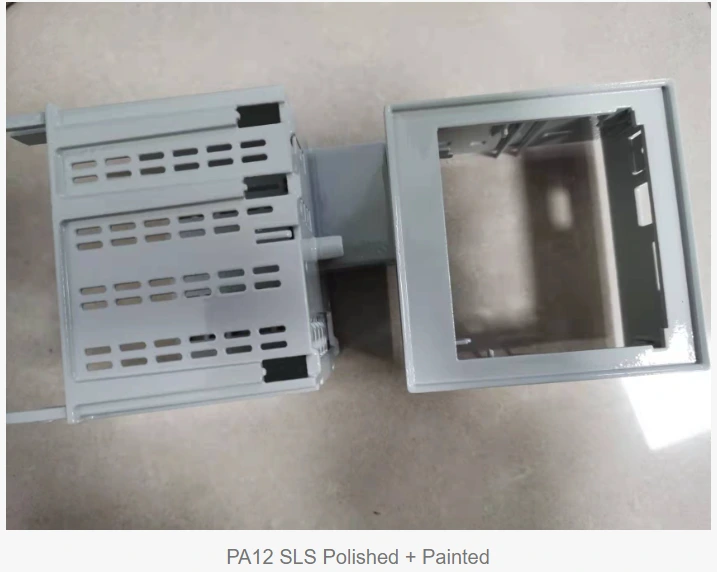
Selective Laser Sintering 3D printing is a good choice if you need your parts to have high strength, pressure resistance, heat resistance, and be durable and as close as injection molded or machined parts. Because the laser will sinter/melt the nylon-based powder, resulting in a good performance. SLS manufacturing process also has FREE printing support. Adding support is always a headache for most of the printing process. The shortcoming is SLS 3D printing has a rough surface finish. But, thanks to vapor chemical smoothing, it will no longer be a problem.
FUSED DEPOSITION MODELING FDM 3D PRINTING
If your projects have less care about the smoothness and tolerance, choosing desktop 3d printing is a good choice. You can buy a desktop FDM 3D printer with only 200 USD or less. Many small 3D Printing service companies accept this kind of printer to offer their customers 3D Prints. Then you have to choose industrial FDM 3D printers to make parts that need tight tolerance and more smoothness. And another advantage of FDM manufacturing is that it has more than 30 kinds of materials and 70+colors available. From PLA to PEEK.
MULTI JET FUSION MJF 3D PRINTING
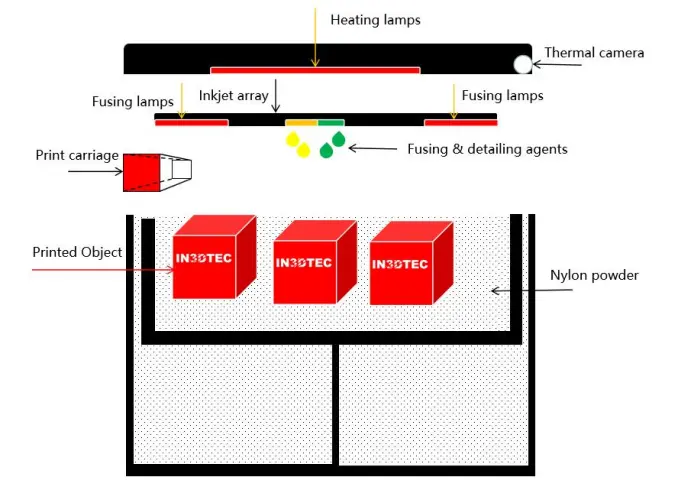
Similar to SLS manufacturing, MJF 3D printing also produces nylon-based parts. As MJF Multi Jet Fusion 3D printing is new compared with Selective Laser Sintering 3D printing , the currently available MJF nylons are nylon12, nylon11, and nylon12+GF, which have fewer materials than SLS printing. The SLS manufacturing can produce more materials: Nylon6, Nylon6+Glass fiber, Nylon11+Glass fiber. Though MJF printing is young, it is one of the most widely used materials due to its high strength and repeatability. The shortcoming is its limited colors and rough surface compared with SLA additive manufacturing. Sometimes, many users are confused about the selection of SLS printing and MJF printing. We want to say, Selective Laser Sintering printing is more cost-effective. That’s it.
POLYJET 3D PRINTING
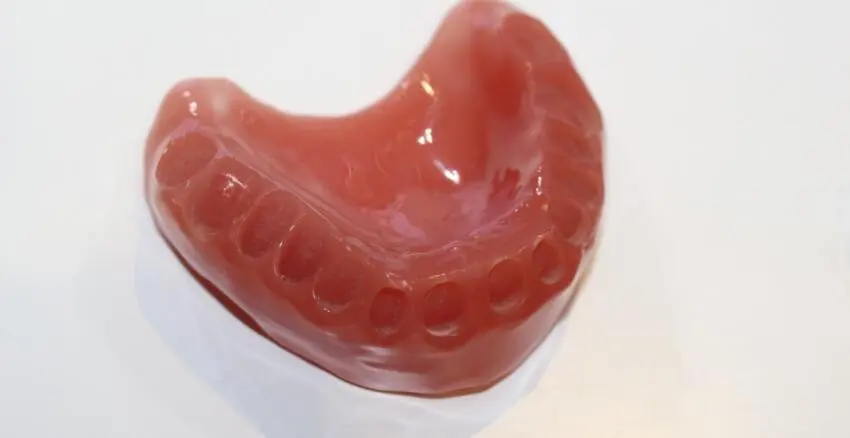
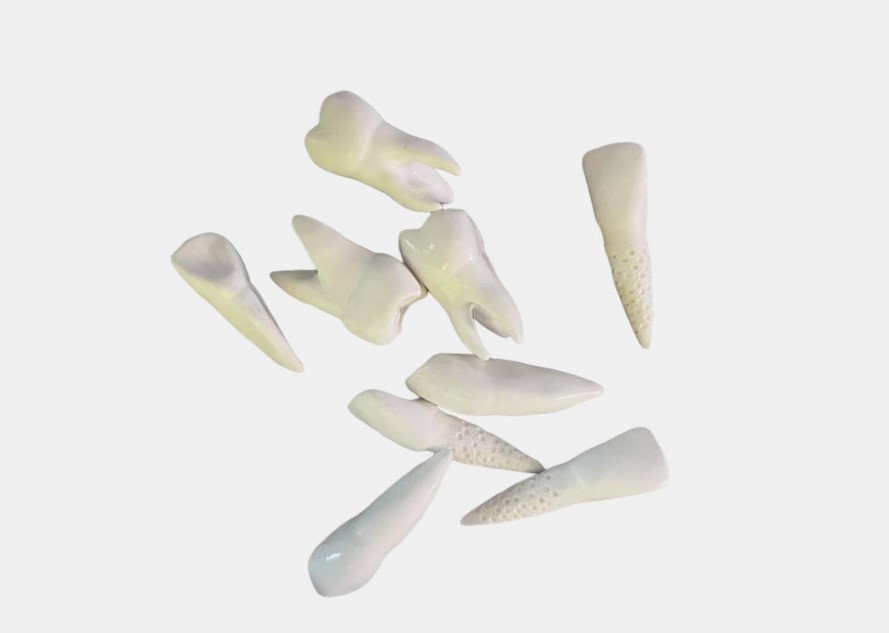
PolyJet 3D printed dental model demonstrating the technology's ability to produce detailed, smooth-surface medical and dental parts.
Polyjet 3D printing is mainly for multiple colors and multiple materials. Multiple colors are very easy to understand, polyjet offers no limitation on your colorful parts. So many artists and medical industry engineers choose it. But what are multiple materials? It will be easy if you know about over-molding, in which you can bond soft and rigid materials together.
SELECTIVE LASER MELTING SLM 3D PRINTING
The Metallic 3D Printing cost from IN3DTEC is very competitive. The laser can melt the metal powders so that this technology can produce super-strong and functional metal parts, especially after the details with heat-treatment. Today, there are many metal 3d printing materials such as AlSi10Mg (Aluminum), Stainless 316, Maraging Steel, Titanium, Copper, and Nickel Alloy.
In addition to the above technologies, there are many other types of 3D printing technologies, such as DMLS, MBJ, EBM… We will talk about this in the following articles.